Japan's Ban on Same-Sex Marriage Upheld by Tokyo High Court: A Look at the Legal Battle
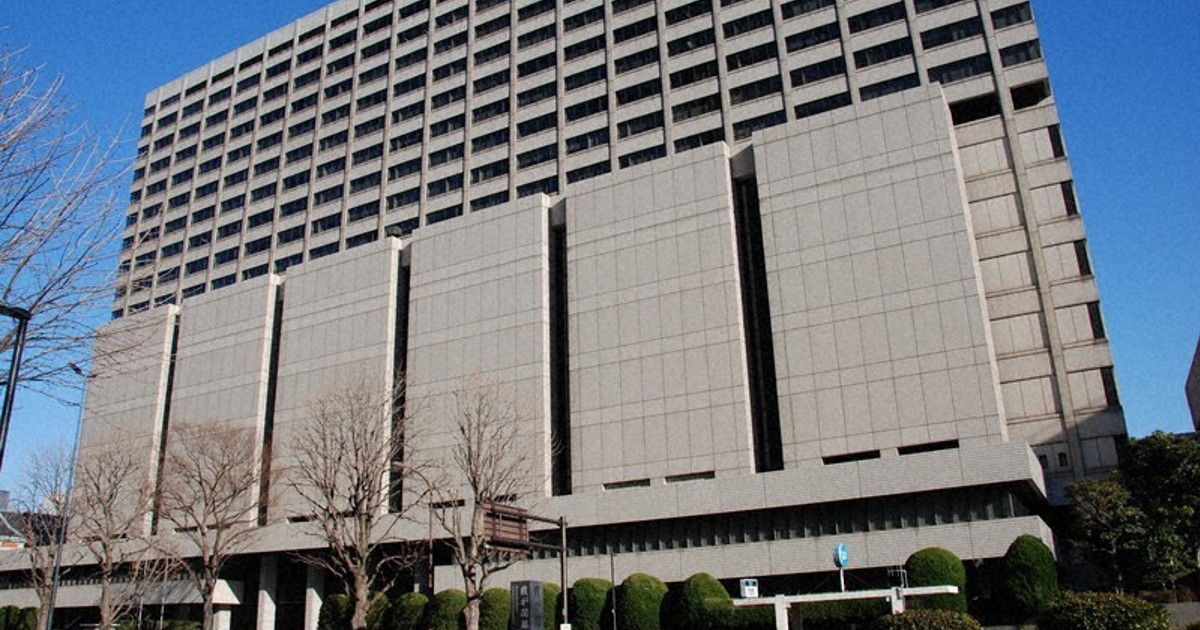
The Tokyo High Court has upheld Japan's ban on same-sex marriage, ruling it constitutional and rejecting plaintiffs' claims for damages. This decision is the final ruling among six similar lawsuits filed in Japan, with other courts also supporting the ban while denying compensation claims. The plaintiffs, including individuals with same-sex partners, argued that civil law provisions prohibiting same-sex marriage violate the right to equality and freedom of marriage guaranteed by the Constitution. Despite growing pressure from the LGBT community and its supporters, Japan remains the only Group of Seven country that has not legalized same-sex marriage or civil unions.
The Tokyo District Court had previously found the ban to be "in a state of unconstitutionality" but rejected the damages claims of the plaintiffs. The Osaka District Court was the only court among 12 high and lower court rulings to rule that the lack of legal recognition for same-sex marriage is constitutional. Article 24 of the Constitution states that marriage should be based on the mutual consent of both sexes.
In light of the recent ruling by the Tokyo High Court, Japan's stance on same-sex marriage remains unchanged. Despite ongoing efforts by the LGBT community and its supporters to push for legal recognition and equality, the country's ban on same-sex marriage continues to be upheld by the courts. The debate surrounding this issue is likely to persist as advocates for LGBTQ rights continue to push for change and greater acceptance in Japanese society.