Controversy Surrounding Trump Administration's Termination of Deportation Protections for Myanmar Citizens
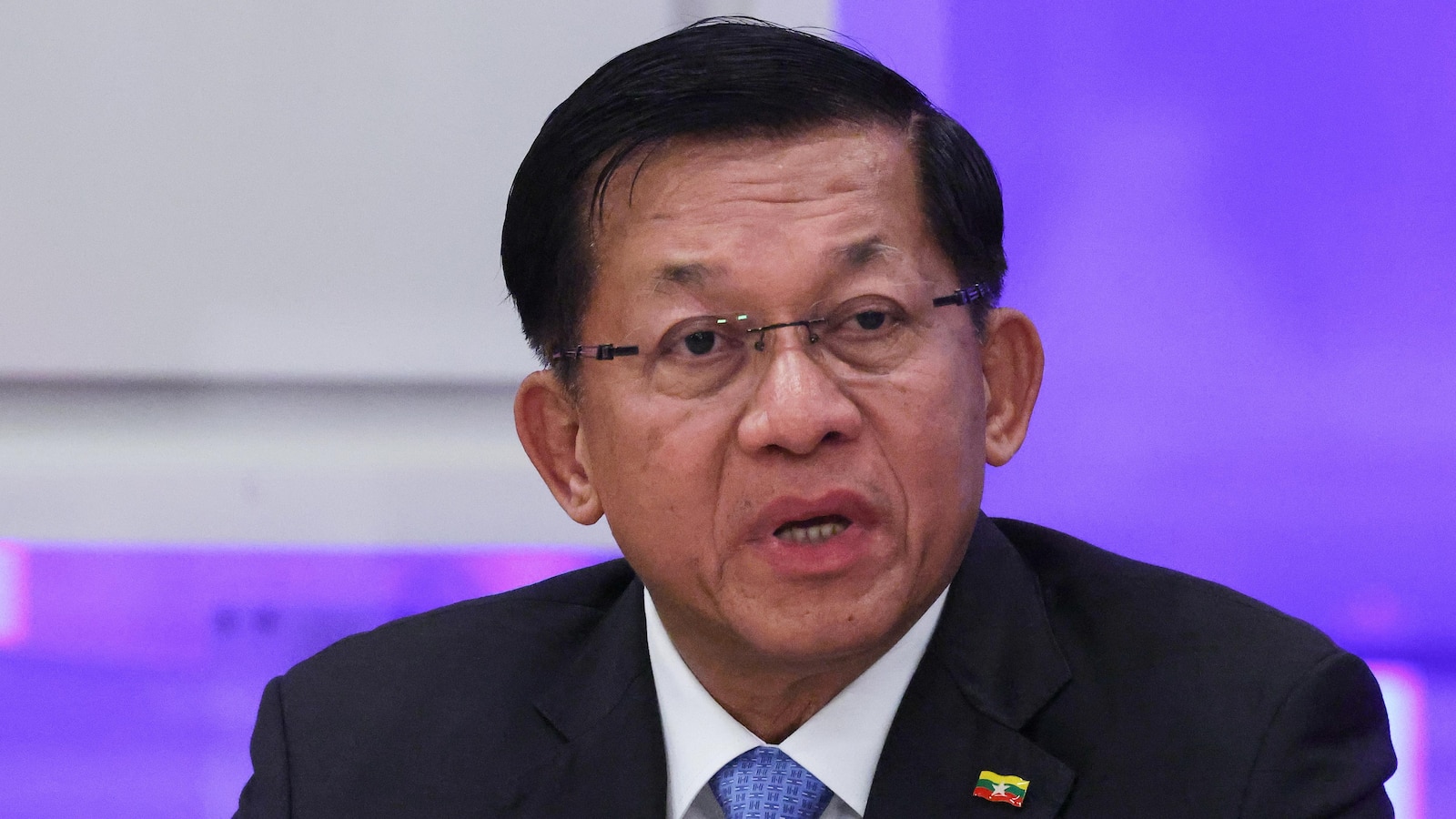
The Trump administration's recent decision to terminate deportation protections for Myanmar citizens has drawn criticism from rights groups. Despite claims of improved governance and stability in Myanmar, the country is still embroiled in a bloody civil war, and the military regime's leader faces potential U.N. war crimes charges. Homeland Security Secretary Kristi Noem cited the military's plans for elections and ceasefire agreements as reasons for ending protected status for Burmese citizens, a move that has been strongly condemned by advocacy groups.
The military regime in Myanmar, led by Senior Gen. Min Aung Hlaing, seized power from the democratically-elected government in 2021. The upcoming elections, scheduled for December, have been widely criticized as a sham, with the military seeking international legitimacy. However, with the opposition leader in prison and her party banned, the elections are viewed as a farce by most observers. The decision to end deportation protections for Myanmar citizens has been met with outrage, as it could potentially expose them to imprisonment, torture, and death in Myanmar.
The military takeover in Myanmar triggered a nationwide uprising, leading to intense fighting and the control of territories by pro-democracy groups. The military's actions, including airstrikes that have killed civilians, have been condemned by human rights organizations. The military has been accused of using landmines indiscriminately, targeting civilian infrastructure, and committing human rights abuses. The International Criminal Court has also issued an arrest warrant for Min Aung Hlaing for crimes against humanity.
The National Unity Government, established by elected lawmakers who were prevented from taking office after the military coup, expressed disappointment over the decision to end protected status for Myanmar citizens. The NUG highlighted ongoing human rights abuses and the lack of genuine opposition in the upcoming elections. Despite reports of arbitrary killings, disappearances, and other human rights violations in Myanmar, Homeland Security justified its decision by claiming that conditions in the country had improved enough for Burmese citizens to return safely.
The State Department's travel guidance advises against traveling to Myanmar due to armed conflict, civil unrest, and other risks. The Assistance Association for Political Prisoners reported thousands of political arrests and deaths since the military takeover. Human Rights Watch criticized Homeland Security's decision, stating that the justifications provided were not supported by the reality on the ground in Myanmar. The termination of Temporary Protected Status (TPS) for Myanmar citizens could impact thousands of individuals, raising concerns about their safety and well-being.
In conclusion, the Trump administration's decision to end deportation protections for Myanmar citizens has sparked outrage among rights groups and advocates. Despite claims of progress in governance and stability, Myanmar continues to face significant challenges, including ongoing conflict and human rights abuses. The decision to revoke TPS for Burmese citizens has been met with skepticism and criticism, with concerns raised about the safety and security of those affected by the policy change.