George Harrison's 'My Sweet Lord': The Rise, Success, and Legal Battle of a Timeless Classic
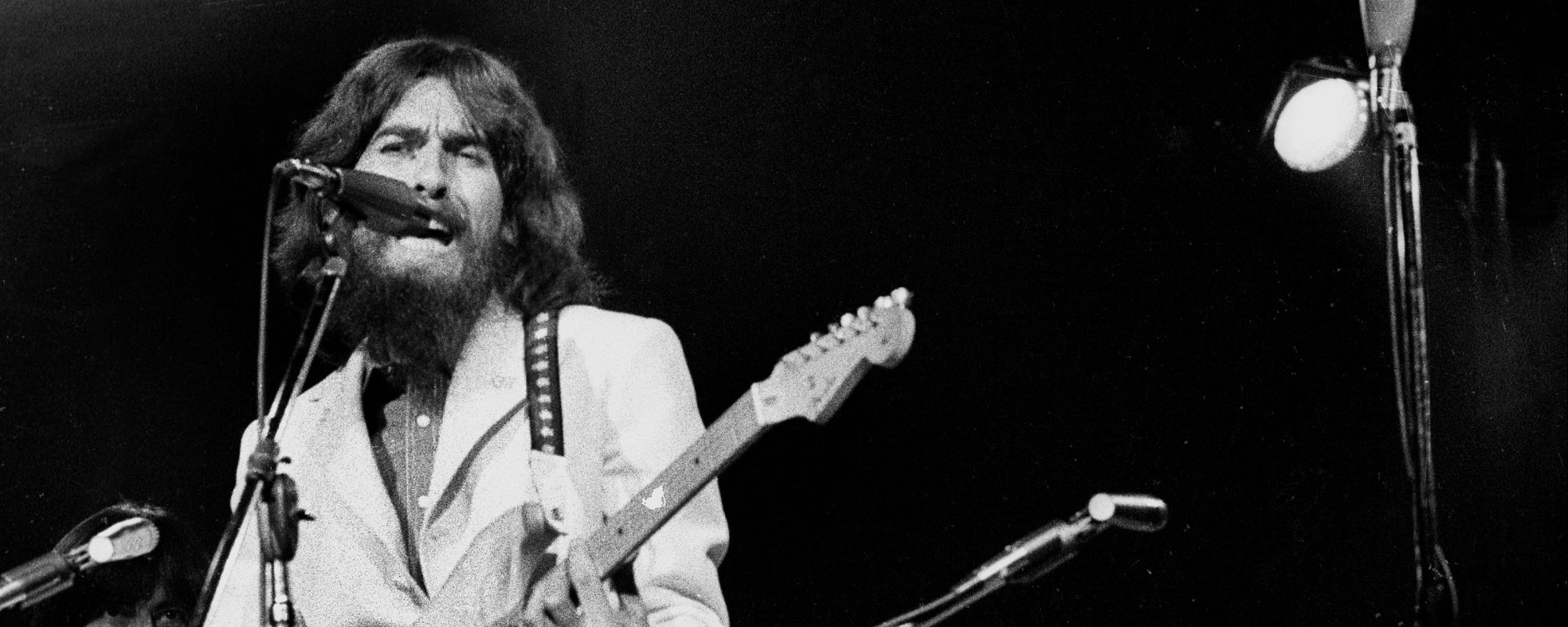
The Beatles, one of the most famous music groups in the world, shocked fans in 1970 when Paul McCartney announced their breakup. Following the split, each member pursued a solo career. George Harrison emerged victorious with his hit song "My Sweet Lord," which reached No. 1 on the charts. Harrison drew inspiration from a mix of Eastern and Western influences, creating a unique sound that resonated with audiences worldwide.
Initially composed during a stay in Copenhagen, Denmark, Harrison's "My Sweet Lord" blended gospel and spiritual elements. The song, featured on his album All Things Must Pass, showcased Harrison's talent as a solo artist. Despite playing a supporting role in the Beatles, Harrison's success with "My Sweet Lord" solidified his place in music history.
"My Sweet Lord" became a massive hit, topping charts and becoming the best-selling single in the UK in 1971. Even John Lennon acknowledged the song's popularity, jokingly suggesting the presence of a higher power due to its constant radio play. However, the success of "My Sweet Lord" was marred by a copyright infringement lawsuit filed against Harrison just months after its release.
Bright Tunes Music Corporation accused Harrison of copying elements from the Chiffons' song "He's So Fine." Despite Harrison's claim that his inspiration came from the Christian hymn "Oh Happy Day," a court ruled in favor of the plaintiff. Harrison was required to pay a substantial sum and acquire the rights to "He's So Fine." Despite the legal battle, Harrison stood by his creation, emphasizing the song's positive impact on listeners.
In the end, "My Sweet Lord" remains a timeless classic that showcases George Harrison's musical talent and spiritual influences. Despite the legal challenges, the song's message and melody continue to resonate with audiences worldwide, solidifying Harrison's legacy as a solo artist.