Status Quo: The Roadhouse Blues Inspiration and Musical Evolution
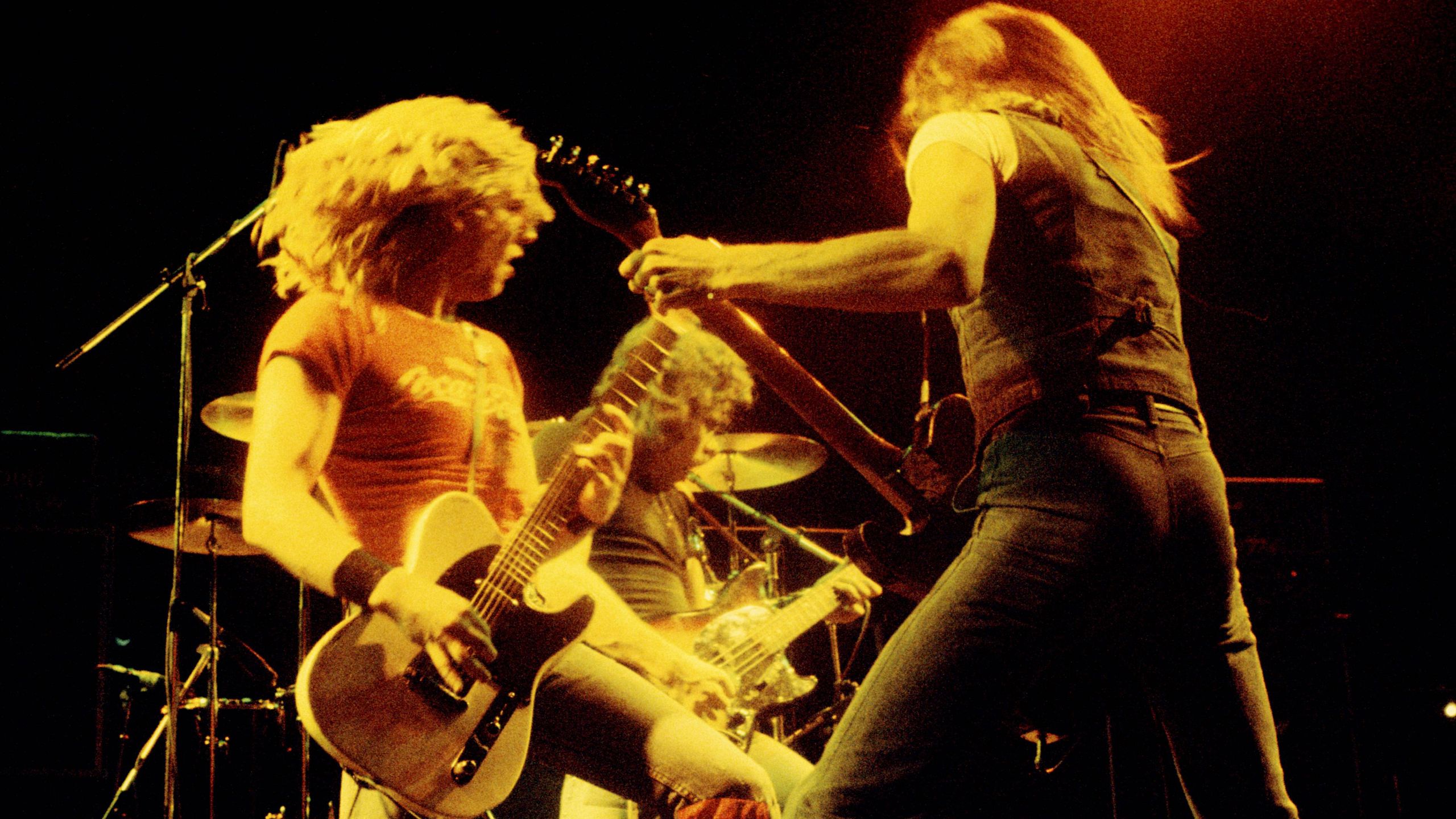
In 1970, the guitarists of British rock band Status Quo, Francis Rossi and Rick Parfitt, were inspired by The Doors' song "Roadhouse Blues" during a night out in a German club. This encounter led them to develop the iconic Quo twelve-bar boogie shuffle that became a hallmark of their sound. The energetic tempo and sexy dance moves they witnessed to the song sparked a creative revelation for Rossi and Parfitt.
The heavy boogie shuffle they crafted from the inspiration of "Roadhouse Blues" became a defining element of Status Quo's music, propelling them to great success in the 1970s. The song was integrated into their live performances and featured on their influential 1972 album, Piledriver. The album marked a shift in their sound with the introduction of double-tracked guitars, creating a bigger and more dynamic sound.
Despite the unconventional album cover featuring a cartoon gorilla with a bomb, Rossi and Parfitt's musical chemistry and approach to playing were instrumental in the band's success. Their simple yet effective style, with Rick's downstrokes and Francis' left swing stroke, created a unique sound that resonated with audiences. Rossi emphasized the importance of simplicity in their music, contrasting it with the technical prowess of other guitarists like Eric Clapton.
Status Quo's music was often underestimated by critics and other musicians, but Rossi embraced the band's unique style and the loyalty of their dedicated fan base. Despite the naysayers, Status Quo's enduring popularity and influence in the rock music scene solidified their place as one of the iconic bands of the era.