David Bowie: Embracing Change and Legacy in Music
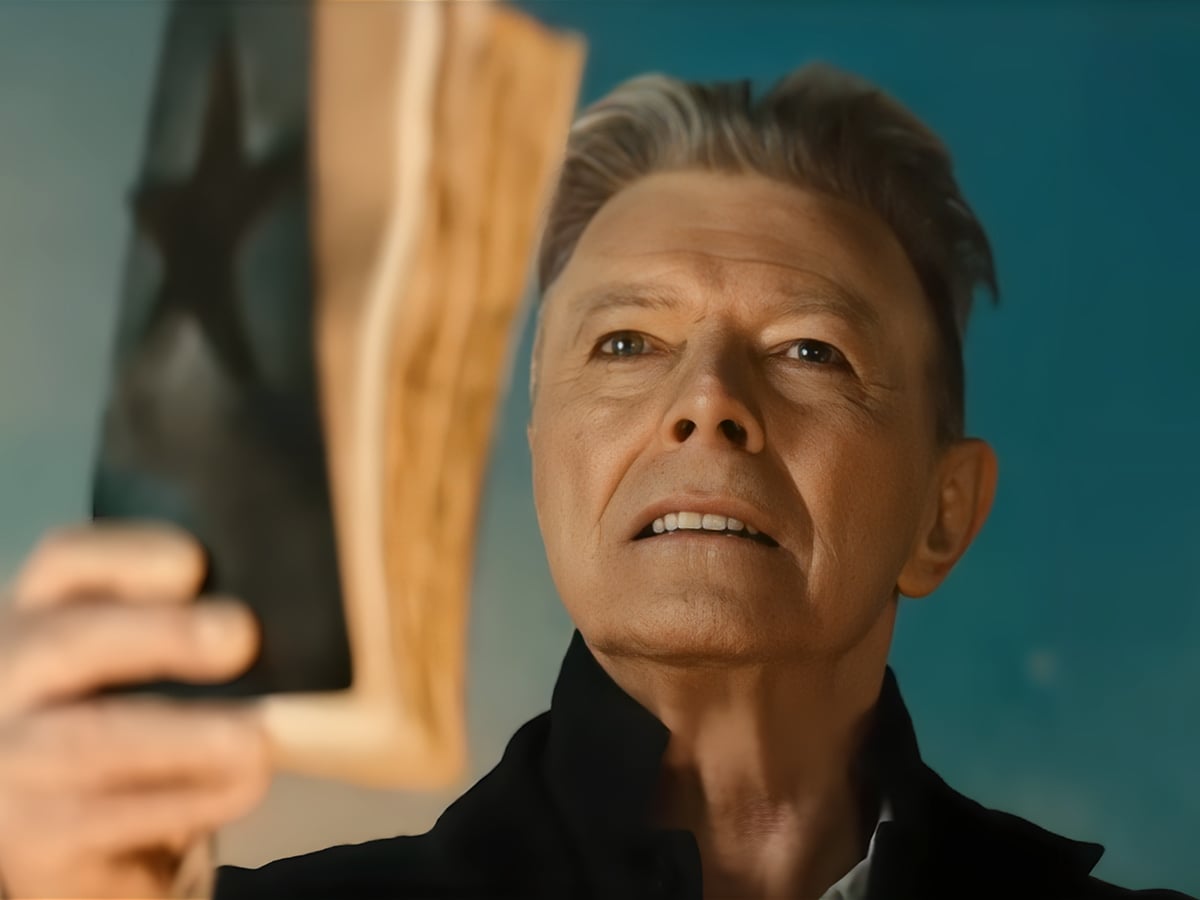
David Bowie, a legendary musician, kept his cancer diagnosis a secret before his passing. His final album, Blackstar, served as a poignant farewell to his fans and a reflection on his iconic career. The lead single, "Blackstar," hinted at the themes of mortality and legacy that would permeate the album.
Throughout his career, Bowie created a diverse array of characters, from Major Tom to Ziggy Stardust. Each persona added depth and complexity to his music, reflecting different aspects of his artistic vision. Despite the significance of these characters, Bowie was not afraid to retire them when their time had passed.
The music video for "Blackstar" depicted Major Tom dead inside his astronaut suit, symbolizing the end of Bowie's career and the cyclical nature of life and death. Bowie's willingness to let go of his creations and embrace change was a testament to his artistic integrity and innovation.
Bowie's approach to reinvention and evolution stands in contrast to the current trend of artists clinging to a single image or persona. He understood the importance of creative freedom and the need to move on from past iterations to stay relevant and inspired.
As the music industry continues to evolve, Bowie's legacy serves as a reminder of the power of artistic reinvention and the importance of embracing change. His willingness to let go of past personas and explore new creative avenues set a precedent for future generations of artists to follow.
In a world where artistic stagnation is all too common, Bowie's legacy reminds us of the value of innovation and the freedom to explore new creative territories. By embracing change and letting go of the past, artists can continue to push boundaries and inspire audiences for generations to come.