Neil deGrasse Tyson's Take on 'Star Trek' vs. 'Star Wars': A Science-Fiction Showdown
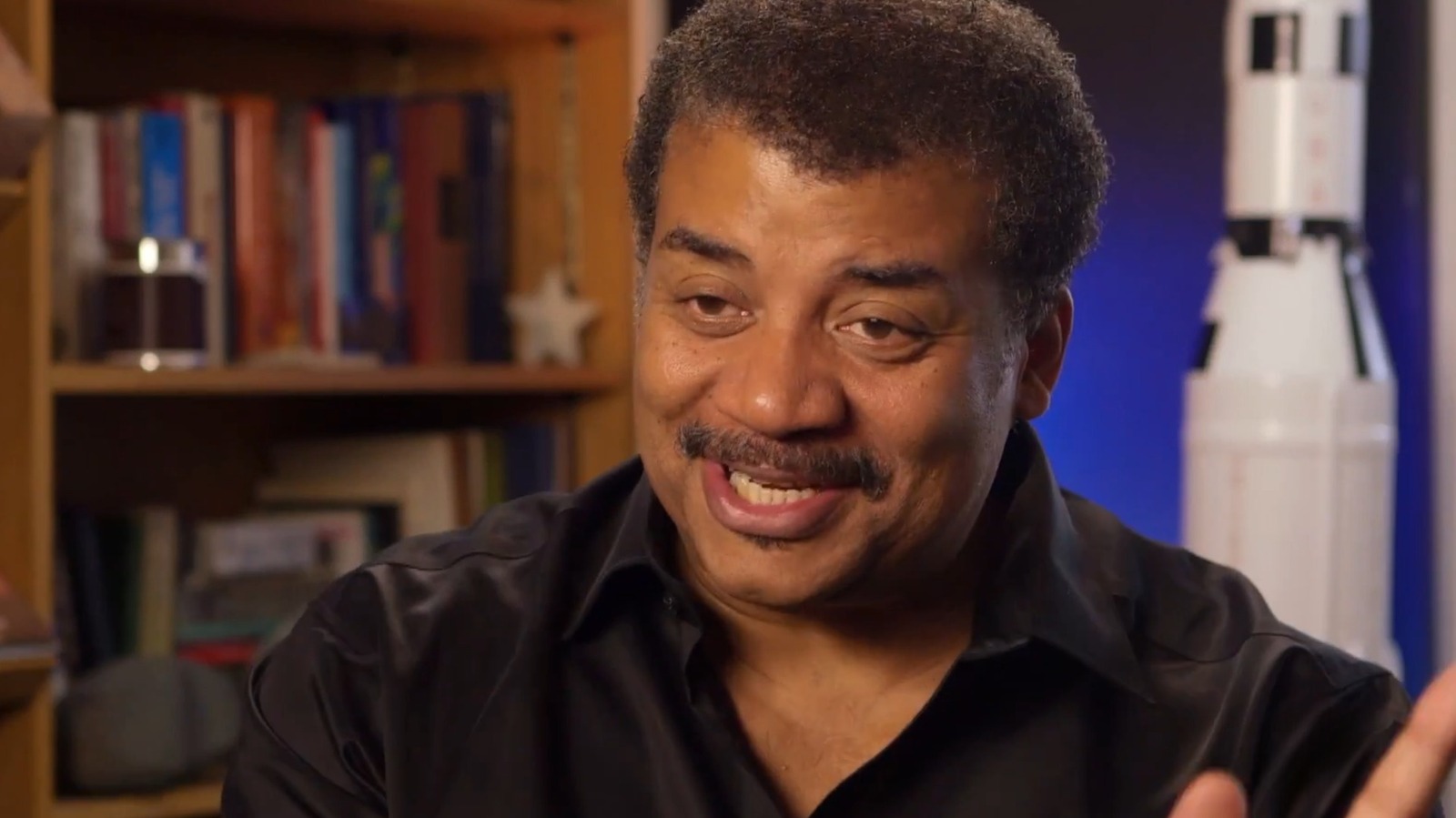
Neil deGrasse Tyson, a renowned astrophysicist, is known for his role as a science communicator, drawing inspiration from Carl Sagan. During an episode of his show "Star Talk" in 2015, Tyson expressed his preference for "Star Trek" over "Star Wars." He described "Star Wars" as "fake-fake" and "Star Trek" as "fake-real," highlighting the scientific basis of the USS Enterprise's crew compared to the fictional elements in "Star Wars."
Tyson commended the USS Enterprise for its focus on exploration and the inclusion of real scientists and engineers, contrasting it with the more fantastical nature of the Millennium Falcon in "Star Wars." He emphasized that "Star Trek" is rooted in science fiction, while "Star Wars" leans more towards fantasy, with its reliance on the metaphysical Force rather than scientific principles.
As a prominent figure in the scientific community and popular culture, Tyson's opinions on science fiction carry weight among fans. Despite some disagreement, Tyson's logical approach to comparing "Star Wars" and "Star Trek" is based on the scientific accuracy and adherence to real physics in the latter franchise. He has previously criticized "Star Wars" for its lack of portrayal of real physics, contrasting it with the incorporation of scientific theories in "Star Trek."
While both franchises feature fantastical elements, "Star Trek" strives to maintain a connection to real scientific theories, such as warp travel. In contrast, "Star Wars" relies more on fictional concepts like hyperdrive and hyperspace. Tyson's perspective on the two franchises underscores the distinction between science fiction and fantasy, with "Star Trek" aligning more closely with scientific principles compared to the more imaginative elements of "Star Wars."