Government Announces Historic Freeze on Rail Fares in England Until 2027
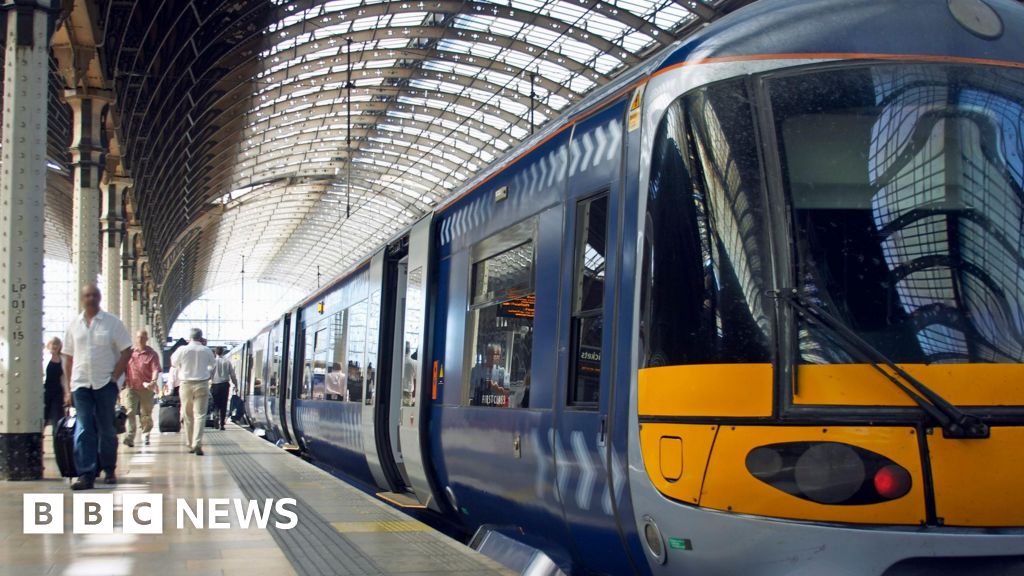
Rail fares in England will be frozen for the first time in 30 years, according to the government's recent announcement. The freeze, effective until March 2027, will apply to regulated fares, including season tickets and off-peak returns. Traditionally, rail fares have increased in January based on the retail price index (RPI) + 1%, but this formula has not always been followed. The government aims to limit inflation by holding down a significant component of everyday costs with this move.
The freeze on rail fares comes ahead of the chancellor's Budget announcement and is part of the government's focus on addressing the cost of living. While regulated fares will remain unchanged, unregulated fares may still see increases, typically following regulated fare adjustments. The Rail Delivery Group, representing UK rail operators, welcomed the freeze as good news for customers and emphasized the importance of working with the government to deliver benefits to rail users.
Since the privatization of British Rail in 1996, the government has regulated some train fares. This freeze marks the first time fares have been frozen since then, with previous periods seeing price increases below RPI and a decrease in prices following the financial crash in 2010. Approximately 45% of rail fares in England, Wales, and Scotland are regulated by the government, but the freeze only applies to travel in England and services operated by England-based train companies.
Regulated fares cover season tickets for commuter routes, some off-peak return tickets on long-distance journeys, and flexible tickets for travel in major cities. Unregulated fares, which train operators can set independently, typically rise by similar amounts to regulated fares. The government estimates that the fare freeze will save commuters on more expensive routes over £300, providing relief from the rising cost of living.
Chancellor Rachel Reeves highlighted the freeze as a measure to alleviate cost of living pressures and make travel more accessible for work, school, and social visits. Transport Secretary Heidi Alexander emphasized that the freeze is part of broader plans to rebuild Great British Railways, a public body being established to bring parts of the railway system into public ownership. The government aims to improve standards for passengers, increase journey ease, and provide better value for money through this initiative.
As part of its plans for Great British Railways, the government intends to move away from annual blanket fare increases gradually. The Labour party criticized the previous Tory government for imposing relentless fare increases on passengers annually. However, the Conservatives defended their track record of keeping fare rises below inflation and advocating for no further hikes to support hard-working commuters.
In conclusion, the freeze on rail fares in England represents a significant step towards easing the financial burden on commuters and addressing the cost of living challenges. The government's commitment to rebuilding Great British Railways and improving the rail travel experience underscores its efforts to prioritize passenger needs and deliver better value for money in the transportation sector.