Cracking Down on Wildlife Trafficking: Recent Arrests and Collaborative Efforts in Thailand
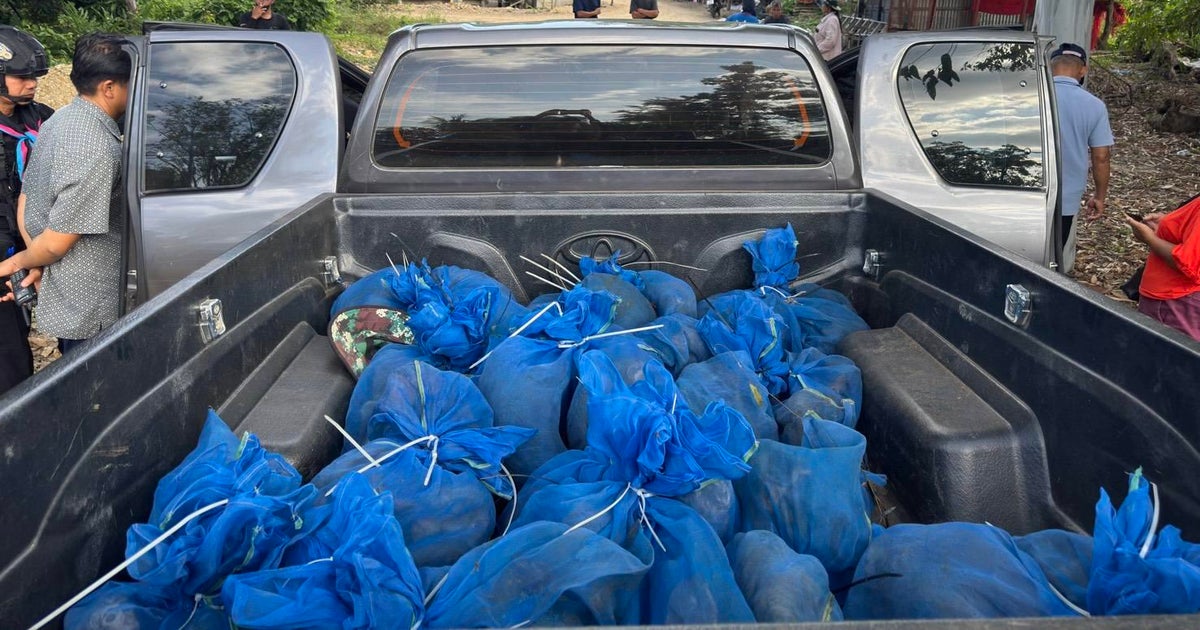
Thai authorities have apprehended two individuals believed to be part of an international wildlife trafficking network. The suspects were caught with 81 macaques in their vehicle near the Cambodian border. Thailand serves as a key hub for wildlife smugglers who profit from selling endangered animals on the black market in China, Taiwan, and Southeast Asia. The men were also found in possession of methamphetamine pills and crystal meth during the interception.
The 12th Ranger Forces Regiment conducted the operation in Aranyaprathet district of Sa Kaeo province, where the suspects were arrested and their vehicle inspected. The men confessed to participating in a cross-border trafficking scheme that transports macaques from Thailand to Cambodia. Authorities are collaborating with the police to press charges under wildlife protection and narcotics laws.
In a separate incident last year, Thailand and Madagascar cooperated to repatriate nearly 1,000 lemurs and tortoises as part of a joint effort to combat wildlife trafficking. Indian customs officials have also intercepted various animals, including lizards, sunbirds, and possums, arriving from Thailand. The illegal wildlife trade remains a significant challenge along the Thailand-India air route, with over 7,000 animals seized in recent years.
Furthermore, Thai law enforcement agencies have made several arrests related to wildlife smuggling activities. In one case, a man was apprehended for attempting to smuggle two baby orangutans into Thailand, with support from the U.S. Fish and Wildlife Service. Additionally, Thai customs officials detained six individuals, including Indians, for trafficking a red panda and 86 other animals out of the country, such as snakes, parrots, and monitor lizards.
In conclusion, the recent arrests of individuals involved in wildlife trafficking highlight the ongoing efforts to combat illegal trade activities in Thailand. Authorities are working diligently to enforce wildlife protection laws and prevent the exploitation of endangered species for profit. Collaboration between different agencies and countries is crucial in addressing the complex challenges posed by international wildlife smuggling networks.