Political Controversies and FIFA Bans: A Look at Countries Excluded from World Cup History
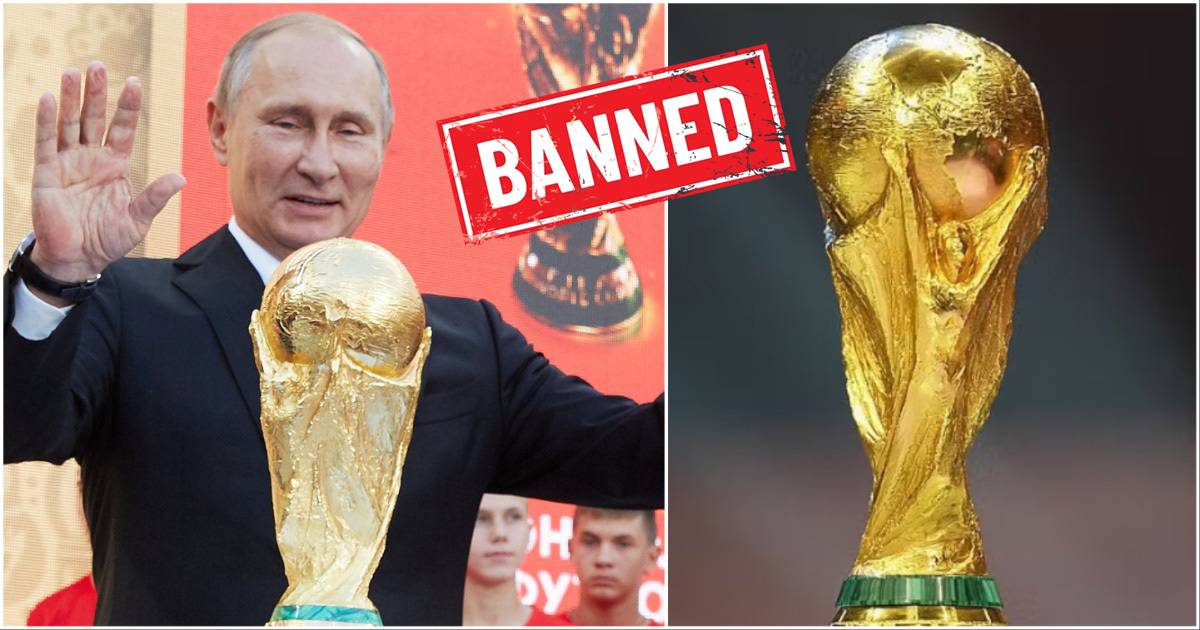
FIFA has taken action against countries in the past for political reasons, with three nations being banned from participating in previous World Cup editions. The upcoming 2026 World Cup will feature an expanded 48-team format, allowing teams like Uzbekistan, Jordan, and Cape Verde to make their debut appearances. There was speculation about Israel's qualification, which sparked debates amid the conflict in the Gaza Strip, but ultimately, Norway and Italy secured the top two spots in their group.
Russia is currently suspended from FIFA tournaments due to their invasion of Ukraine in February 2022. As a result, they are limited to playing international friendlies against non-European nations. The ongoing conflict in Eastern Europe has also led UEFA to ban Russian clubs from participating in the Europa League and Champions League. South Africa faced a ban from FIFA in 1961 during the apartheid era, with the ban being reinstated in 1976 under new leadership. They were eventually readmitted in 1992 and went on to host the 2010 World Cup.
Yugoslavia was banned from the 1994 FIFA World Cup due to UN sanctions imposed during the Yugoslav Wars. The UN Security Council Resolution 757 prohibited the Federal Republic of Yugoslavia from participating in international sporting events, including the World Cup. This ban prevented their national team from competing in the tournament held in the United States. The history of countries being banned from FIFA events highlights the impact of political actions on international sports participation.