Exploring the Forgotten Gems of Progressive Rock: Unearthing the Lesser-Known Tracks of the Late 1960s
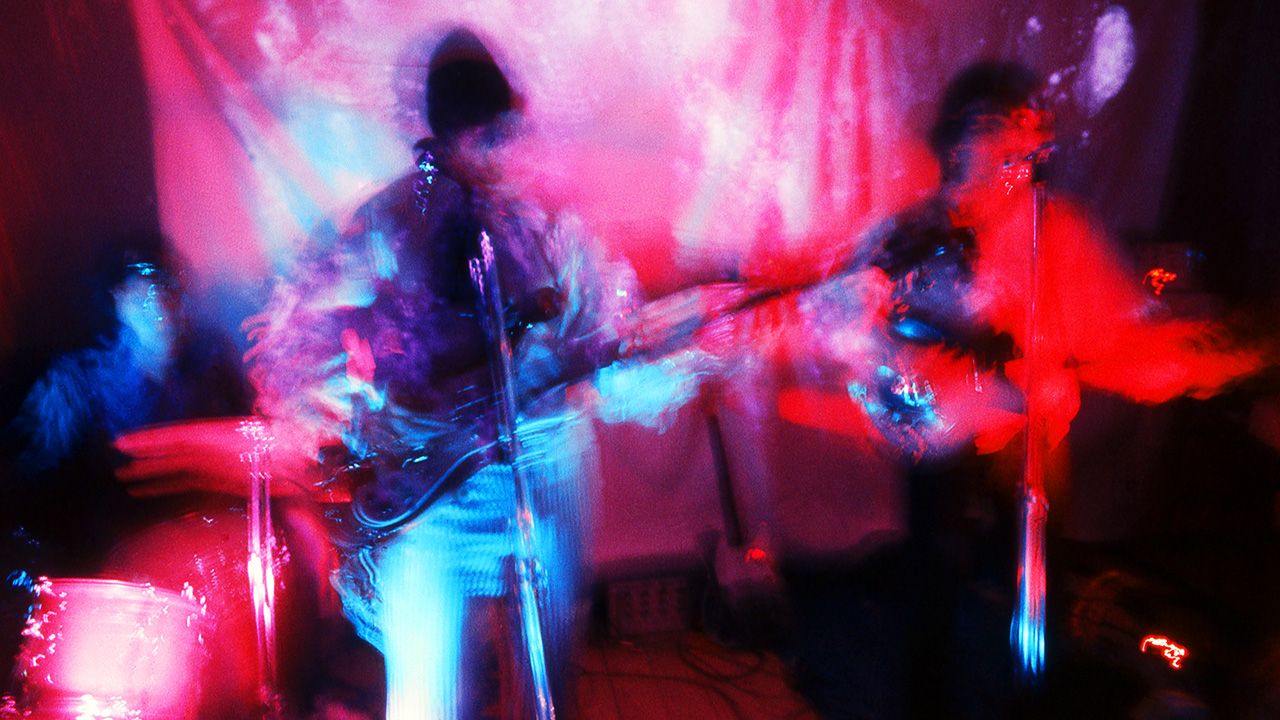
The late 1960s saw a cultural revolution that heavily influenced music, leading to the birth of progressive rock. Lesser-known tracks from this era still hold significance today. The Rolling Stones' "2000 Light Years From Home" from Their Satanic Majesties Request album showcases a spacey vibe with thunderous drums and eerie Mellotron sounds.
The Pretty Things' "Balloon Burning" is a high-energy track with sustained hyper-lead guitar, reminiscent of Robert Fripp's style. Touch's "Seventy Five" from 1968 exudes a prog-rock vibe similar to Yes, with wild guitar solos akin to Steve Howe's future work. Steve Howe's "Nether Street" from his Bodast days was later reimagined in Yes' "Starship Trooper."
The United States Of America's "Hard Coming Love" is a primal and subversive track with electronic elements, released in 1968. The Zombies' "Hung Up On A Dream" from Odessey And Oracle album captures a dreamlike state with angelic vocals and baroque pop influences.
Uriel's "Metempsychosis" features Steve Hillage's stellar guitar work in a 16-minute psychedelic journey. John McLaughlin's "Marbles" showcases his fretboard skills and Larry Young's Hammond organ, pre-Mahavishnu Orchestra. Tangerine Dream's "Journey Through A Burning Brain" blends West Coast rock beats with electronic elements and flute solos.
Strawbs' "The Shepherd's Song" is a folk-inspired track with mythic undertones, featuring Rick Wakeman's Moog solo and Mellotron mist. These tracks represent a revolutionary era in music that laid the foundation for progressive rock as we know it today.