Exploring the Diverse Country Music Landscape in 2025: The Impact of the Recording Academy's New Categories
The country music landscape in 2025 is diverse and divided, as evidenced by the varied reactions to the Recording Academy's decision to split the best country album category into best contemporary and best traditional country album awards. Some saw this change as a way to give more awards to white artists, while others viewed it as a necessary step to accommodate the genre's stylistic extremes.
Independent and outlaw country circles have long felt disconnected from the mainstream industry, with artists like Kyle Coroneos critiquing the quality and authenticity of country music from Nashville and beyond. The mainstream popularity of country music has intensified these tensions, with blockbuster releases dominating the charts and superstar crossover efforts blurring genre boundaries.
The decision to split the country album category was part of a standardized process within the Recording Academy, reflecting similar changes in other genre categories like jazz, blues, and R&B. This move aims to highlight the diversity within the country music landscape and address tensions over the genre's identity.
Coroneos advocated for a traditional country album category, identifying over a hundred albums that could fit this classification but were entered in other categories like Americana. This new category provides an opportunity for artists like Cody Jinks to be recognized for their traditional country music that may have been overlooked in the past.
For artists like Sunny Sweeney, the addition of the traditional category to the Grammys was a long-awaited validation of their music. Sweeney, known for her modern honky-tonk sound, sees this as an opportunity for artists like her to be recognized within the industry and preserve the roots of country music.
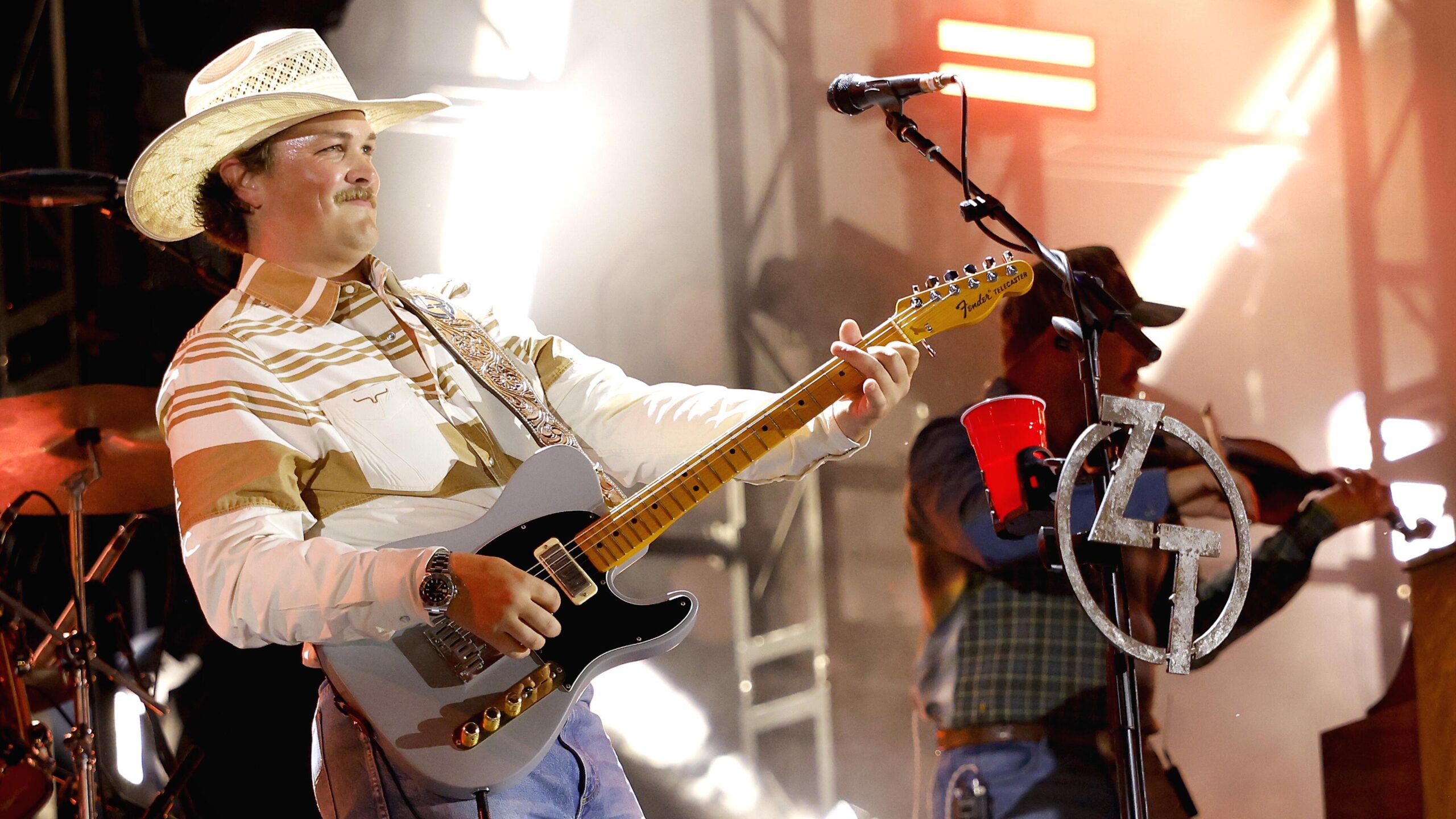
Zach Top, a rising star in the neotraditionalist country scene, has been making waves with his classic country sound. His label, Leo33, sees the addition of the traditional category as an acknowledgment of his impact on the genre and a chance for him to further establish himself as a heavyweight in the industry.
Despite the increased opportunities for Grammy recognition, Black artists still face challenges in the country music industry. The need for artists to make, release, and promote albums to be eligible for Grammy consideration poses barriers for many Black artists, highlighting ongoing issues of representation and authenticity in the genre.
Charley Crockett, a Texan artist with a self-sufficient ethic, has navigated the industry on his own terms, rejecting the moldability demanded by major labels. His eclectic musical style and outlaw sensibilities have garnered attention, leading to nominations in the Americana category and potential recognition in the traditional country album category.
As the first nominees for the traditional country album Grammy are announced, the country music landscape in 2025 will be on display, showcasing the diversity and richness of the genre. The addition of the traditional category provides a platform for artists like Sweeney, Top, and Crockett to be recognized for their contributions to country music and preserve its heritage for future generations.