Bat Out of Hell: Todd Rundgren's Playful Parody of Bruce Springsteen's Rock Style
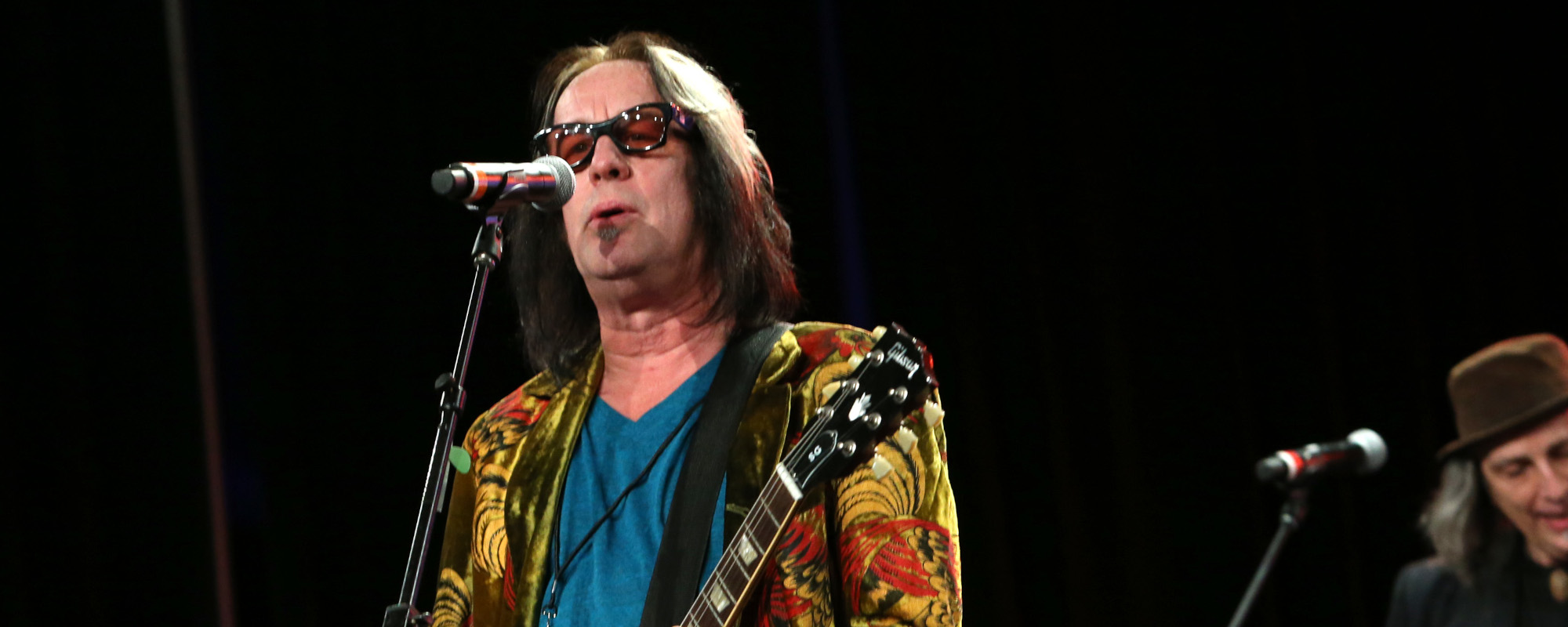
Bruce Springsteen's rock style left a lasting impact on the music industry, inspiring a new movement in the genre. Despite his growing fame in the late '70s, some questioned the direction he was taking rock music. Todd Rundgren, a renowned producer, decided to create an album to mock Springsteen, setting out to produce Meat Loaf's debut record, "Bat Out of Hell."
Rundgren, known for his impressive list of credits, took on the challenge of producing a rock opera retelling of Peter Pan through Meat Loaf's album. He believed Springsteen's music was a shallow attempt to evoke nostalgia among rock fans, a sentiment he strongly felt and wanted to address through his work with Meat Loaf.
Seeing an opportunity to poke fun at Springsteen, Rundgren viewed Meat Loaf's album as a spoof of The Boss. He openly admitted that his intention behind producing the record was to mock Springsteen's style and approach to music. Rundgren's public comments have made it clear that he wanted to create a project that parodied Springsteen's image as the "savior of rock 'n' roll."
Rundgren's candid remarks about his motives for producing "Bat Out of Hell" reveal his desire to satirize Springsteen's music and persona. He emphasized that the album was meant to be a humorous take on Springsteen's nostalgic themes and long, storytelling songs. Despite any doubts about its success, Rundgren was determined to use the project as a platform to mock Springsteen's iconic status in the music industry.
As you listen to "Bat Out of Hell," consider the playful jabs and similarities to Springsteen's style that Rundgren incorporated into the album. The production of this record serves as a testament to Rundgren's bold approach to challenging the norms of rock music and his willingness to use his work to humorously critique established artists in the industry.