Challenges of Campus Protests: Addressing External Influences and Ensuring Accountability
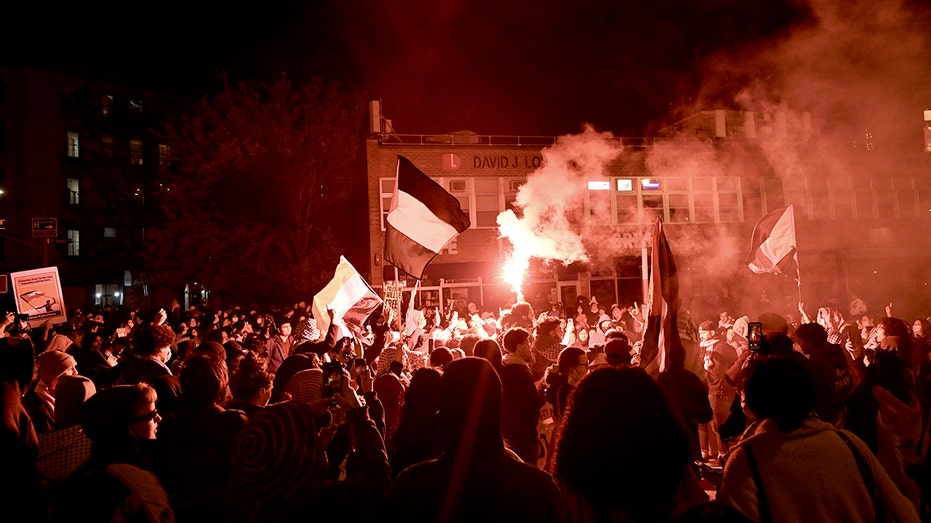
The chancellor of Syracuse University recently spoke on a panel in Washington, D.C., where he suggested that pro-Hamas, anti-Israel protests on college campuses may have been influenced or orchestrated by Iran. Chancellor Kent Syverud shared his observations about protest activities at his university and others, indicating that the involvement of students in these protests was minimal.
During the panel discussion, Chancellor Syverud highlighted the challenges of holding individuals accountable for their actions during protests, especially when they use face masks to conceal their identities. He expressed concerns that masked individuals could be activists from outside the university community.
Chancellor Daniel Diermeier of Vanderbilt University also noted the presence of organized networks behind protest activities, suggesting that students and agitators may have been directed or motivated by external influences. Washington University Chancellor Andrew D. Martin echoed these sentiments, emphasizing the need to address disruptive behaviors on campus.
The panel, organized by Alums for Campus Fairness, aimed to combat antisemitism on college campuses and raise awareness about the impact of protests following the Hamas attack on Israel in 2023. Universities like Columbia have experienced ongoing protests, prompting law enforcement intervention to maintain campus safety.
Incidents of encampments and disruptions have led to arrests and disciplinary actions at various universities, including Columbia, Harvard, NYU, and UCLA. The protests have raised concerns about the impact on students' academic environment and the need for universities to address disruptive behaviors effectively.
Despite the challenges posed by these protests, universities are working to maintain a safe and inclusive campus environment for all students. The panel discussion shed light on the complexities of managing protest activities and the importance of upholding campus values and principles.
In conclusion, the panel discussion highlighted the need for universities to address external influences on protest activities and ensure accountability for disruptive behaviors on campus. By fostering open dialogue and collaboration, universities can create a supportive and inclusive environment for all students.