The Nice: Revolutionizing Prog-Rock with 'America
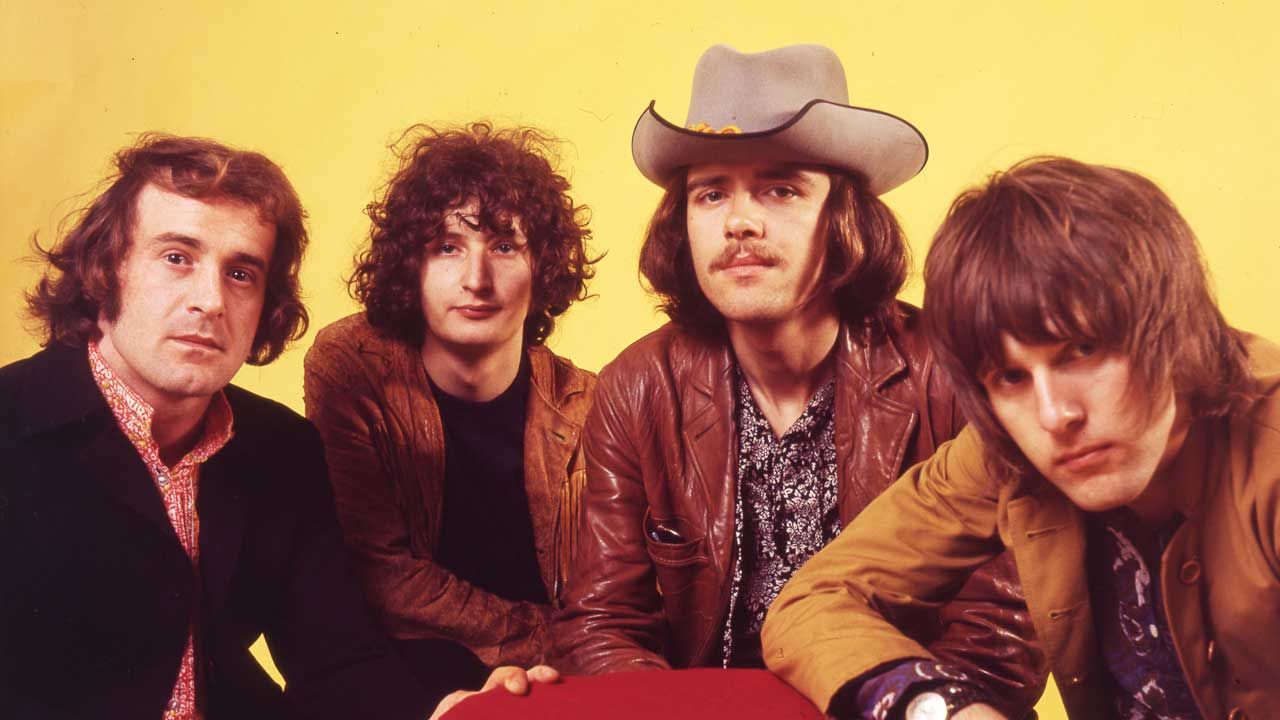
The Nice, a band that played a significant role in shaping the prog-rock genre, had an unconventional start as a backing band for PP Arnold before releasing their debut album in 1967. Their breakthrough song, "America," released in June 1968, marked a turning point for the band and the prog-rock movement. The song, originally from the Broadway musical West Side Story, was transformed into an instrumental protest piece by The Nice, reflecting the turbulent times of civil rights struggles and political unrest in the late 60s.
The decision to record "America" as a standalone piece was influenced by the tragic events of the era, including the assassination of US Senator Robert Kennedy. The band's reinterpretation of the song at London's Olympic Studios gave it a new, powerful momentum, with Keith Emerson's keyboards taking the lead. The original lyrics were stripped away, and a poignant spoken-word line was added by bassist Lee Jackson to emphasize the song's message.
Despite its length, "America" gained radio airplay and reached the UK Top 30, thanks to DJs who understood the band's artistic vision. A controversial incident at the Royal Albert Hall, where The Nice performed at an anti-apartheid concert, further propelled the song to notoriety. The band's dramatic act of draping an American flag and attempting to set it on fire during their performance caused a stir and led to their ban from the venue.
The controversy surrounding the flag-burning incident had both positive and negative repercussions for The Nice. While it boosted the single's popularity, it also attracted criticism from the US authorities. Leonard Bernstein, the original composer of "America," expressed his disdain for The Nice's version, calling it a corruption of his work. Despite the backlash, The Nice's rendition of "America" remains a timeless musical moment that reflects the societal issues of the 60s.
The legacy of The Nice's "America" endures as a symbol of protest and social commentary, highlighting the band's bold artistic statement in challenging the status quo. Keith Emerson's vision of exposing the flaws of American society through music continues to resonate, reminding listeners of the enduring relevance of protest art.