Uncovering the Legacy of 'Sex & Drugs & Rock & Roll' by Ian Dury and The Blockheads
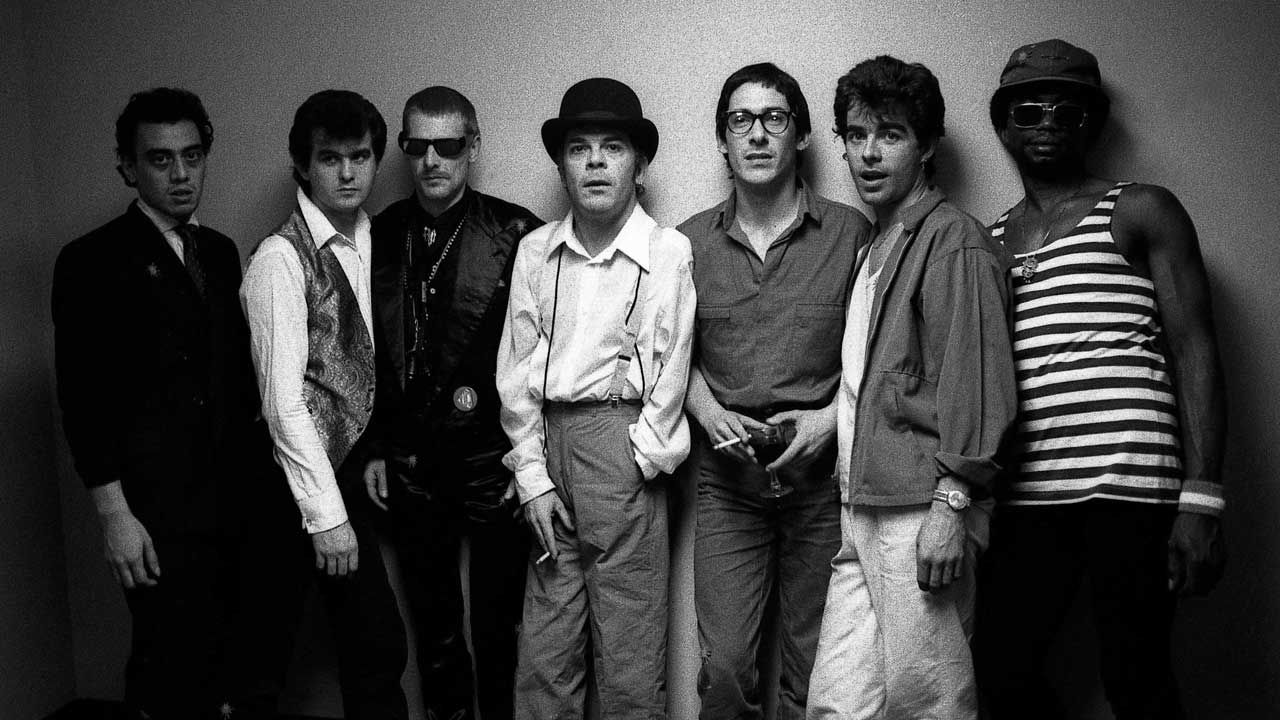
The iconic song "Sex & Drugs & Rock & Roll" by Ian Dury and The Blockheads, despite its title's fame, did not achieve significant chart success in the UK. The BBC's refusal to play it on air due to its title and the record label's quick withdrawal of the single contributed to its limited sales. Co-writer Chaz Jankel revealed that the title had been on Dury's mind for a while before they collaborated on the music, which was inspired by a riff Dury hummed one day at his flat. The riff was later discovered to have been borrowed from a jazz track by Ornette Coleman.
Despite its chart performance, "Sex & Drugs & Rock & Roll" became a catchphrase and anthem that resonated with audiences, especially during live performances. The song's impact was evident during a Stiff Records tour where it served as the encore climax. Dury's decision to exclude the song from his debut album was based on the belief that fans had already purchased the single. The song's popularity led to confusion when the French version of the album outsold the UK version, which did not include the track.
The songwriting partnership between Dury and Jankel was highly regarded, with Dury comparing it to Lennon & McCartney. Jankel acknowledged the positive influence Dury had on his confidence and creativity. Despite the song's success, Jankel expressed regret for not trademarking the phrase "Sex & Drugs & Rock & Roll." While there have been few covers of the song, including a Spanish version, Jankel believes the original remains definitive and doubts The Blockheads would revisit it. The challenges of the song's title being a mouthful and often misquoted have also contributed to its limited cover versions.
In conclusion, "Sex & Drugs & Rock & Roll" may not have achieved mainstream chart success, but its impact as a cultural catchphrase and live anthem solidified its place in music history. The song's unique title and the creative partnership between Dury and Jankel continue to be celebrated, despite the lack of widespread cover versions.