Navigating the Challenges: Inside the Justice Department's Investigations into Trump
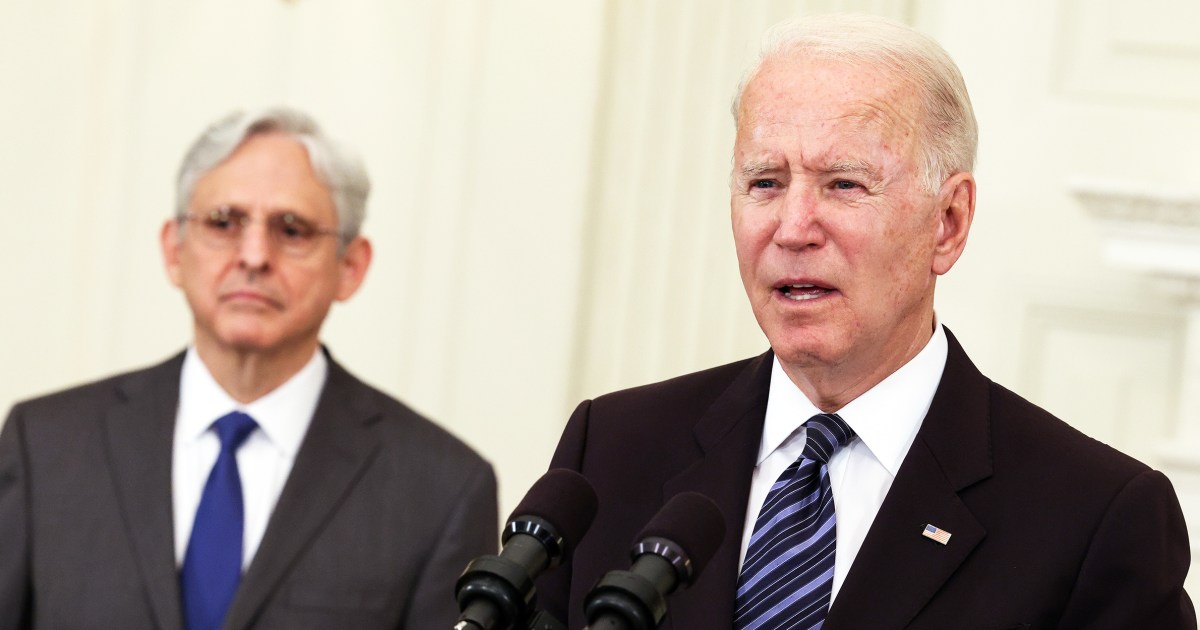
The Justice Department under former President Joe Biden faced challenges in pursuing federal criminal investigations into former President Donald Trump. The investigations into Trump's alleged possession of classified documents and attempts to overturn the 2020 election were significantly delayed due to cautious decision-making at the top of the Justice Department. Concerns about investigating a former president led to slow progress in these probes, as officials sought to avoid any appearance of political bias.
Details of the internal debates within the Justice Department and their impact on the Trump investigations were revealed in a new book titled "Injustice: How Politics and Fear Vanquished America’s Justice Department." The book highlights the careful approach taken by FBI and Justice Department officials, which contradicts GOP claims of a Democrat-led plot to target Trump. The investigations faced delays, including the convening of a grand jury and the formal opening of the election investigation, as officials navigated the sensitive nature of the cases.
Attorney General Merrick Garland's cautious interpretation of DOJ policies, particularly the 60-day rule regarding public investigative steps close to an election, further slowed down the investigations. The freeze imposed on the classified documents and election probes ahead of the midterm elections in 2022 added to the delays. Ultimately, the Supreme Court's ruling on presidential immunity and strategic decisions made by special counsel Jack Smith impacted the trajectory of the cases against Trump.
Smith's decision to bring the classified documents case to Florida, despite potential challenges, led to unfavorable outcomes for the prosecution. The book highlights the efforts made by Garland, Smith, and others overseeing the investigations to adhere to DOJ norms and policies, despite facing criticism for the slow progress. While Democrats urged faster action, there is no evidence of political interference from the White House in the investigations of Trump.
The book also reveals insights into key testimonies and actions that influenced the course of the investigations, including future FBI Director Kash Patel's testimony and the initial reluctance of congressional leaders to provide full access to evidence related to the January 6, 2021, attack. The challenges faced by the Justice Department in pursuing the Trump investigations underscore the complexities of investigating a former president and navigating political sensitivities in high-profile cases.