Optimizing Sleep Health: Navigating the End of Daylight Saving Time and Its Impact on Your Circadian Rhythm
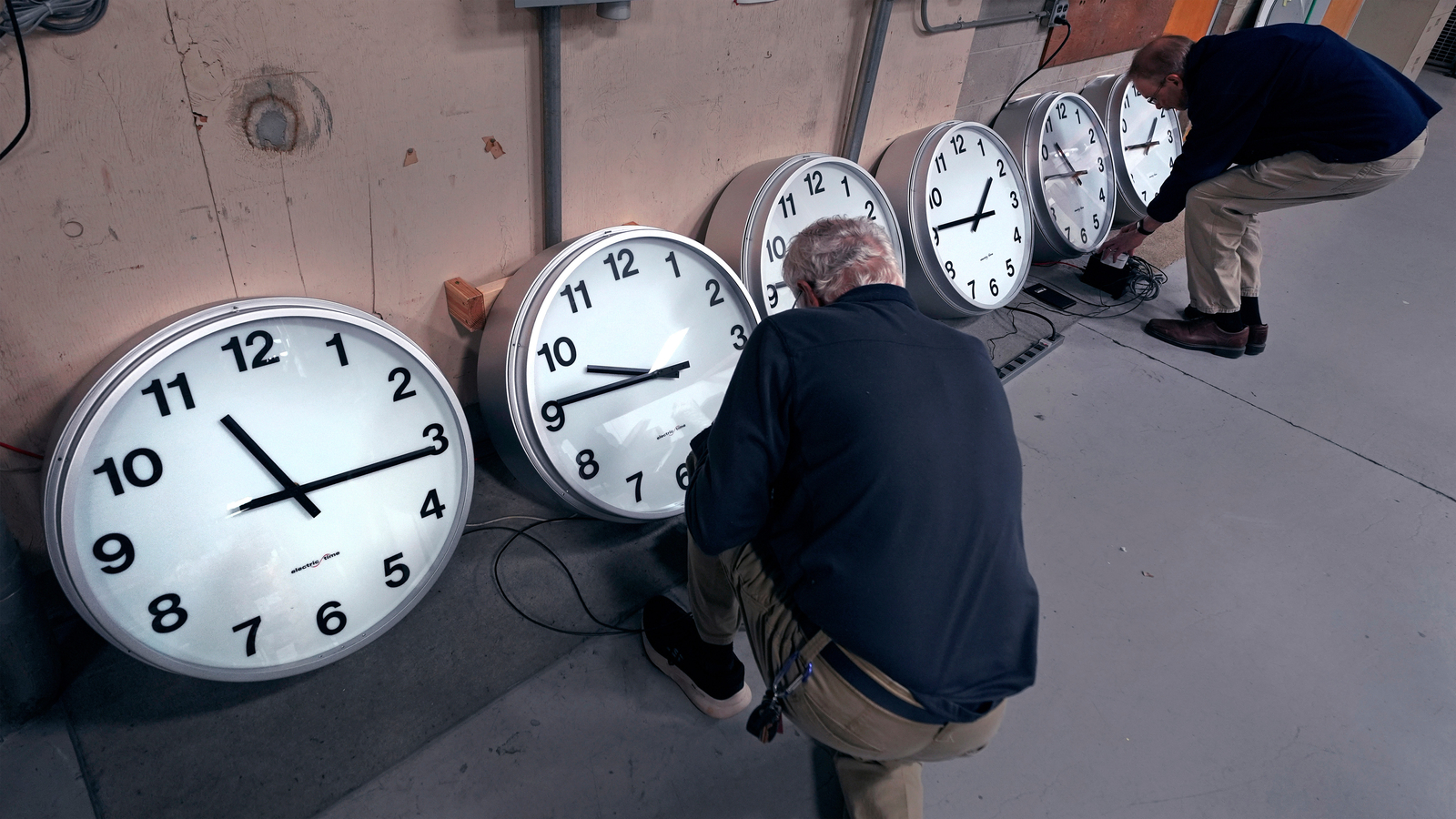
Prepare for an extra hour of sleep as daylight saving time comes to an end this weekend. Remember to set your clocks back an hour before going to bed on Saturday night. The return to standard time will last until March 8 when daylight saving time resumes.
While many people enjoy the extra hour of sleep gained from the time change, some find it challenging to adjust to the shorter days that follow. Health experts suggest that sticking to standard time year-round may be better for our overall health, as it aligns more closely with our natural circadian rhythm.
Research from Stanford University supports the idea that consistent timekeeping is beneficial for our health. The study emphasizes the importance of morning light exposure in regulating our internal body clock. Disruptions to this rhythm, such as time changes, can impact various bodily functions.
Countries around the world have different approaches to daylight saving time, with some choosing not to observe it at all. In the U.S., Arizona and Hawaii remain on standard time throughout the year. Understanding the impact of time changes on our health can help us make informed decisions about our sleep habits.
Our circadian rhythm, influenced by exposure to light and darkness, plays a crucial role in determining our sleep-wake cycles. Changes in this rhythm can affect not only our sleep patterns but also other bodily functions like heart rate, blood pressure, and metabolism. Maintaining a consistent schedule can help keep our internal clock in sync.
Adjusting to the time change can be challenging, especially for those already struggling with sleep deprivation. Chronic lack of sleep has been linked to various health issues, highlighting the importance of prioritizing rest. Making small adjustments to bedtime leading up to the time change can help ease the transition.
While some may find it easy to adapt to the time change, others may experience disruptions in their sleep patterns. Exposure to morning light is essential for resetting our circadian rhythm and promoting healthy sleep. If getting outdoors is not an option, spending time near windows can also be beneficial.
Efforts to eliminate the time change in the U.S. have faced obstacles in Congress. The Sunshine Protection Act, which aims to make daylight saving time permanent, has not made significant progress in recent years. As we navigate the biannual time changes, it's essential to prioritize our sleep and overall well-being.