Federal Government Shutdown: Impacts, Implications, and Updates
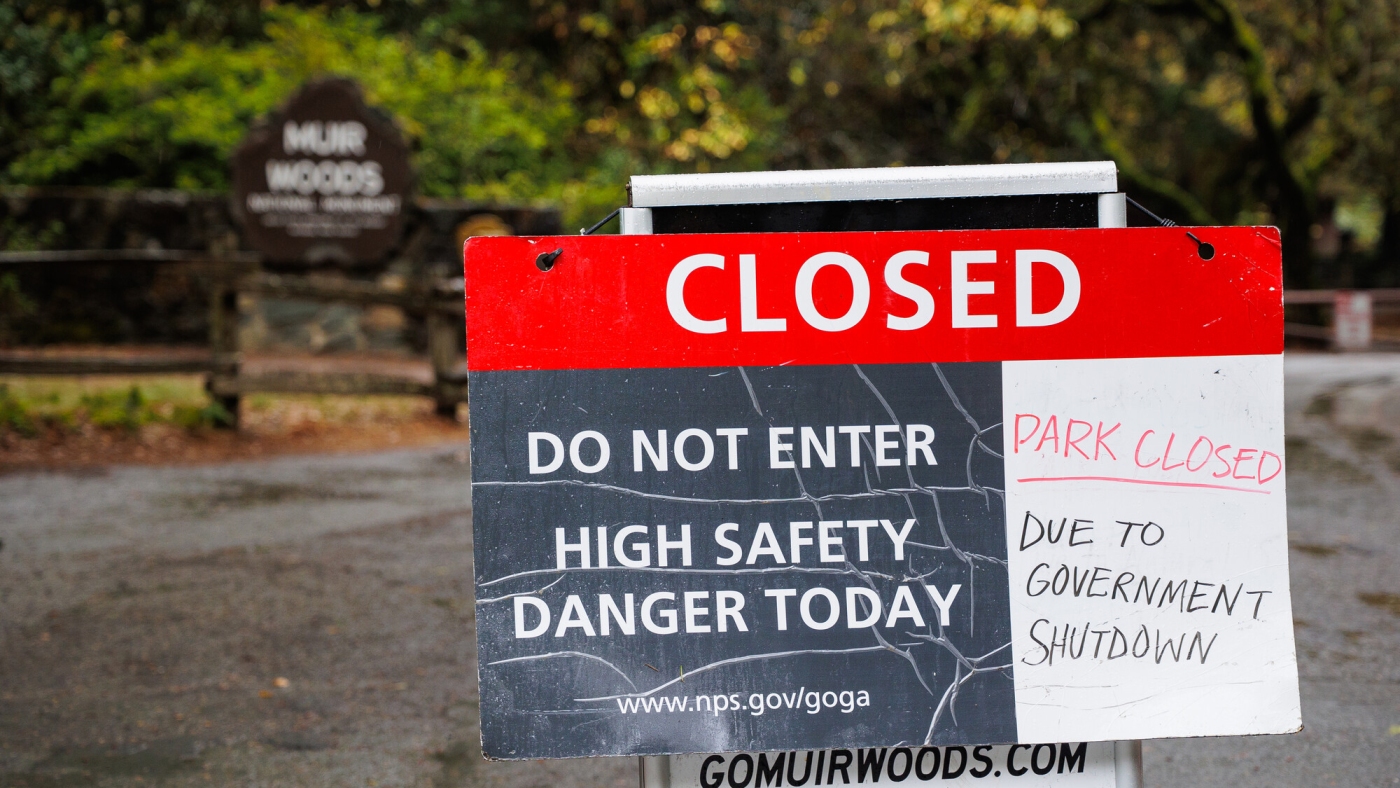
The ongoing federal government shutdown continues with no resolution in sight as Republicans and Democrats remain at an impasse. Despite failed attempts in the Senate to pass measures to pay federal employees during the shutdown, many workers are facing the reality of missing paychecks. The Agriculture Department has announced plans to reopen county offices to assist farmers in accessing aid, while American farmers express concerns over the impact of trade policies. The shutdown's effects are widespread and evolving, with updates on state-specific impacts available.
The shutdown was triggered by a partisan dispute over extending subsidies for the Affordable Care Act marketplaces. Democrats and Republicans are at odds over the inclusion of health care tax credits in the funding bill. The shutdown has significant implications for federal workers, with approximately 1.4 million civilian employees affected. While some workers are furloughed, others are deemed essential and continue to work without pay. The Trump administration has taken steps to ensure certain groups, such as active duty military and law enforcement officers, receive pay during the shutdown.
The impact of the shutdown extends to various sectors, including food aid programs like WIC and SNAP, which are at risk of running out of funds. Concerns have been raised about the potential disruption of school lunch programs due to funding uncertainties. While some federal agencies like the U.S. Postal Service remain operational, others like the IRS have furloughed a significant portion of their staff. The National Nuclear Security Administration has furloughed employees, attributing the action to the "Democrat shutdown."
Despite the shutdown, essential services like Medicare, Medicaid, and Social Security benefits will continue. However, challenges have arisen, such as the inability to provide benefit verification letters to recipients. Immigration enforcement activities are largely unaffected by the shutdown, with ICE operations continuing as usual. Air traffic controllers and TSA employees are considered essential workers and must remain on the job, though staffing shortages have caused disruptions in air travel.
The impact of the shutdown varies across different regions of the country, with states like Alaska, Arizona, California, Colorado, and others experiencing unique challenges. Local NPR affiliates are reporting on the specific effects of the shutdown in their respective communities. As the shutdown persists, the repercussions are felt by individuals, businesses, and government agencies nationwide, highlighting the need for a resolution to end the impasse and restore normal operations.