NCAA Rule Change Allows Betting on Professional Sports: Upholding Integrity and Student-Athlete Welfare
The NCAA has recently approved a rule change that permits athletes and staff members in athletic departments to engage in betting on professional sports. This rule change was approved by the Division II and III management councils, following the Division I cabinet's initial approval. The new rule will take effect on November 1, allowing individuals to bet on professional sports while maintaining the prohibition on betting on college sports and sharing information about college competitions with bettors. The NCAA remains firm in its stance against endorsing sports betting, especially for student-athletes.
Roberta Page, the director of athletics at Slippery Rock and chair of the Division II Management Council, emphasized that the rule change acknowledges the current sports environment while upholding the NCAA's commitment to safeguarding the integrity of college competition and the well-being of student-athletes. This change is a response to the increasing number of NCAA enforcement cases related to sports betting violations, with recent incidents involving college basketball players betting on their own games resulting in severe consequences.
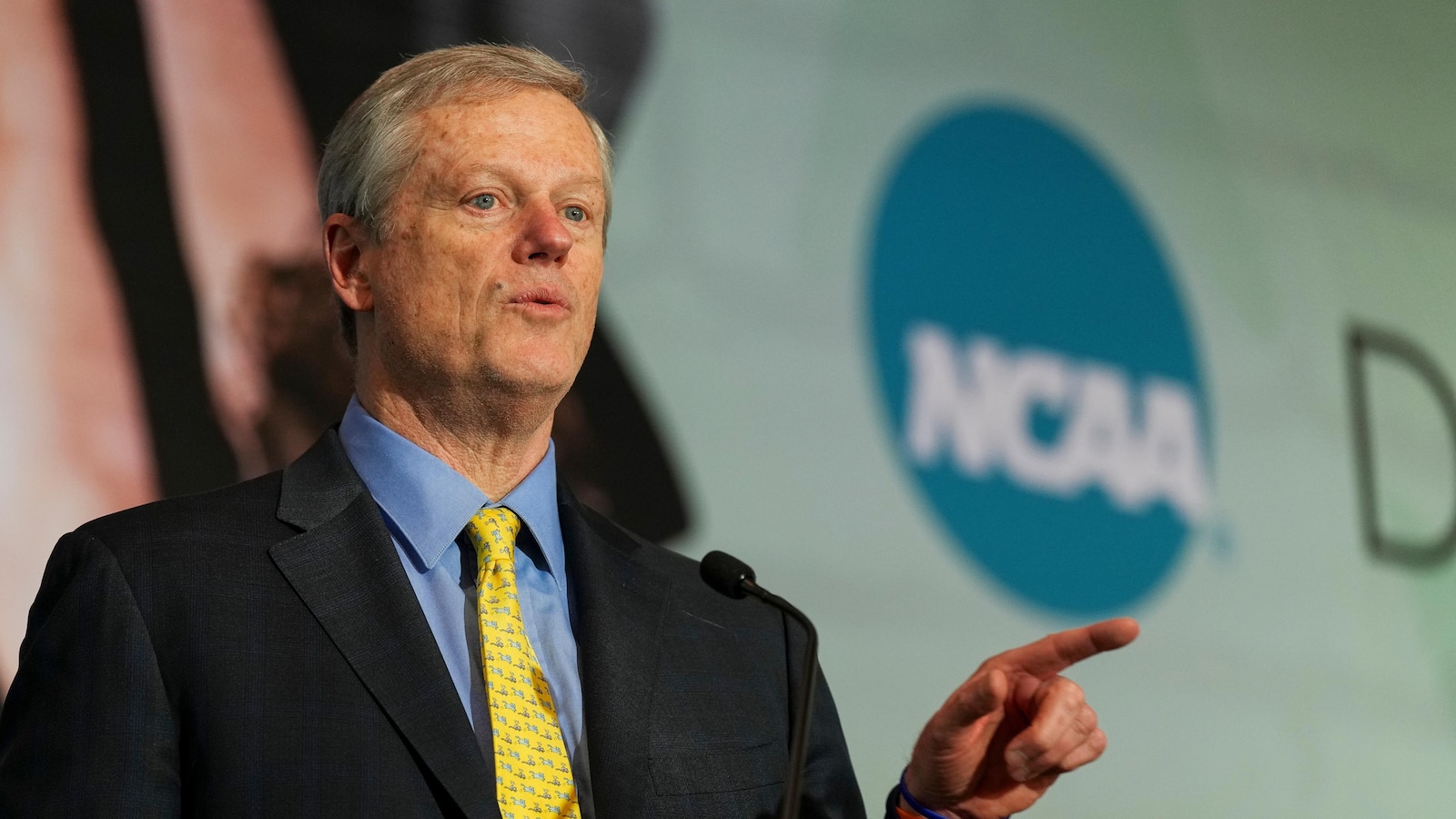
NCAA President Charlie Baker had anticipated the approval of this rule change, highlighting the importance of protecting the integrity of college sports and ensuring the welfare of student-athletes. Despite the shift in regulations, the NCAA remains vigilant in monitoring sports betting activities and enforcing rules to maintain the integrity of collegiate athletics. The institution's dedication to upholding ethical standards in sports remains unwavering, as it continues to address challenges related to sports betting violations.
In conclusion, the NCAA's approval of the rule change allowing athletes and athletic department staff to bet on professional sports reflects a recognition of the evolving sports landscape while reinforcing the organization's commitment to integrity and student-athlete well-being. By implementing this change, the NCAA aims to adapt to the realities of modern sports environments while maintaining strict regulations to uphold the integrity of college competition.