David Bowie's Guitarist Collab: The Story Behind 'Boys Keep Swinging
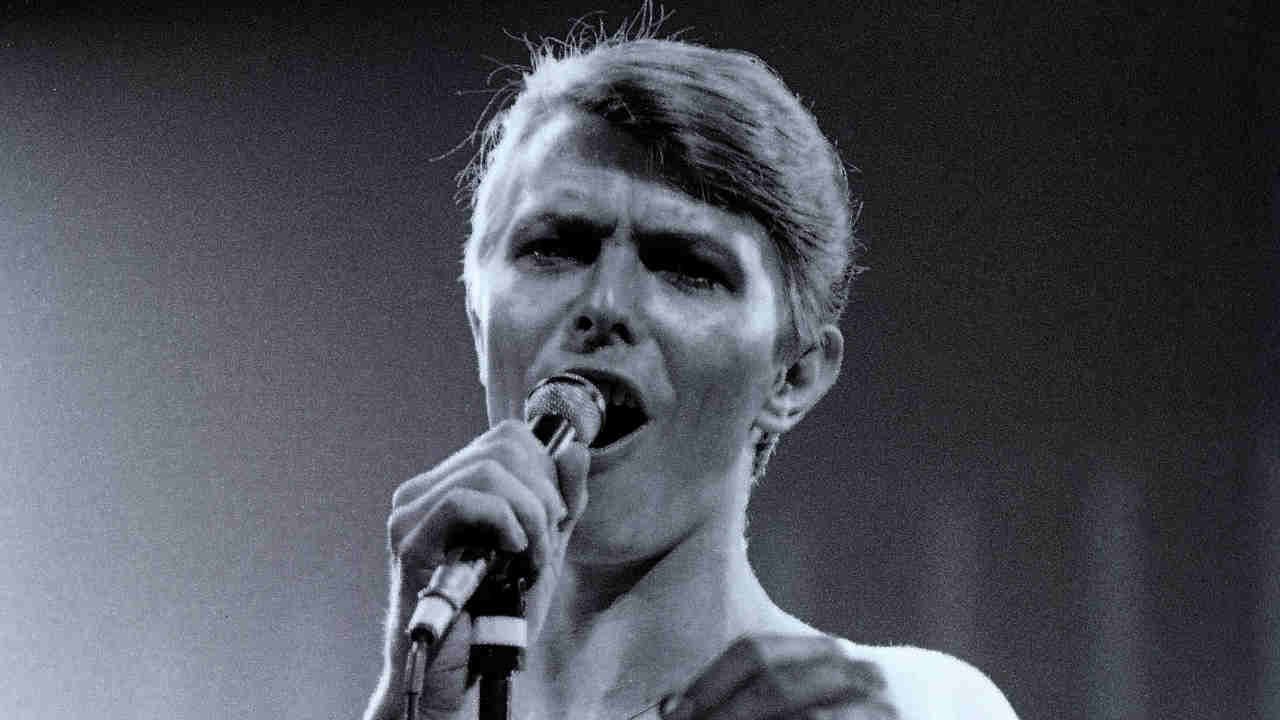
David Bowie, known for his musical genius, had a knack for collaborating with talented and lesser-known musicians to bring his vision to life. Throughout his career, Bowie worked with a diverse group of guitarists, including Mick Ronson, Carlos Alomar, Earl Slick, and many others, each contributing their unique style to his music.
One such guitarist who briefly entered Bowie's world was Brian 'Robbo' Robertson, formerly of Thin Lizzy. In 1979, Bowie needed a guitarist to re-record a solo for a TV appearance on The Kenny Everett Show. Tony Visconti, a producer who had worked with both Thin Lizzy and Bowie, recommended Robbo for the job.
Despite being in the middle of a Thin Lizzy tour, Robbo eagerly accepted the opportunity to work with Bowie. He was sent the original recording of "Boys Keep Swinging" and was initially intimidated by the complex guitar work done by Bowie's collaborator, Adrian Belew. However, Robbo brought his own style to the recording session, impressing Bowie and Visconti with his spontaneous contribution.
The final recording of "Boys Keep Swinging" featured a mix of talented musicians, including keyboardist Sean Mayes, violinist Simon House, and session musicians Andy Duncan and Ricky Hitchcock. The video for the song, featuring Bowie and Robbo, was broadcast on April 23, showcasing the unique collaboration between the two musicians.
Robbo's guitar solo on "Boys Keep Swinging" was officially released in 2019 as part of a 7" picture disc to commemorate the song's 40th anniversary. Following his brief stint with Bowie, Robbo went on to form the band Wild Horses and later joined Motörhead for a single album, solidifying his status as the only guitarist to have played with both David Bowie and Lemmy.
In conclusion, the unexpected collaboration between David Bowie and Brian 'Robbo' Robertson on "Boys Keep Swinging" showcased the magic that can happen when two worlds collide in the world of music. Their brief but memorable partnership left a lasting impact on both musicians and fans alike, highlighting the power of creative collaboration in the music industry.