Unveiling the Mystery: The Enigmatic Origins of Neil Young's 'After The Gold Rush
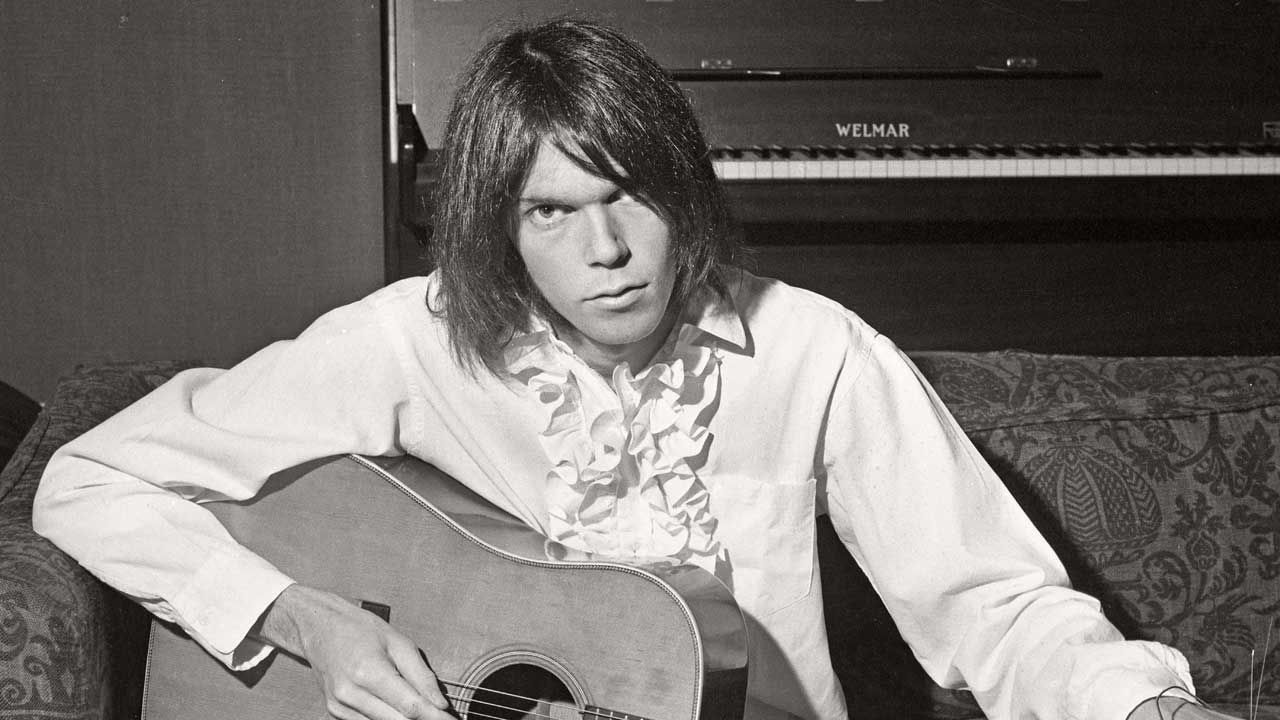
Neil Young's enigmatic song, "After The Gold Rush," has a mysterious origin tied to a lost screenplay written by Dean Stockwell in 1969. The screenplay, set in California on the brink of an apocalypse, inspired Young to create the album of the same name. Young, living in Topanga Canyon at the time, was deeply influenced by Stockwell's story and wrote the album in just three weeks.
The album was recorded in Young's basement studio during breaks from touring with Crosby, Stills, Nash & Young and Crazy Horse. The title track, "After The Gold Rush," stands out as the album's centerpiece, with Young's haunting vocals accompanied by Bill Peterson's flugelhorn. The song's lyrics paint vivid scenes of medieval times, a burned-out basement, and a futuristic space journey, reflecting the film's narrative.
Despite the album's initial critical reception, it became Young's first solo album to reach the US Top 10, setting the stage for his chart-topping success with "Harvest." The song's environmental themes and time-travel motifs resonate with Young's broader body of work, reflecting his deep connection to the past and concern for the future.
"After The Gold Rush" remains a timeless classic, with its poignant lyrics and haunting melody continuing to captivate listeners. Young's collaboration with Stockwell and the creative energy that fueled the album's creation are a testament to the enduring power of music and storytelling.