Taylor Swift's 'The Fate of Ophelia' Painting Draws Fans to German Museum
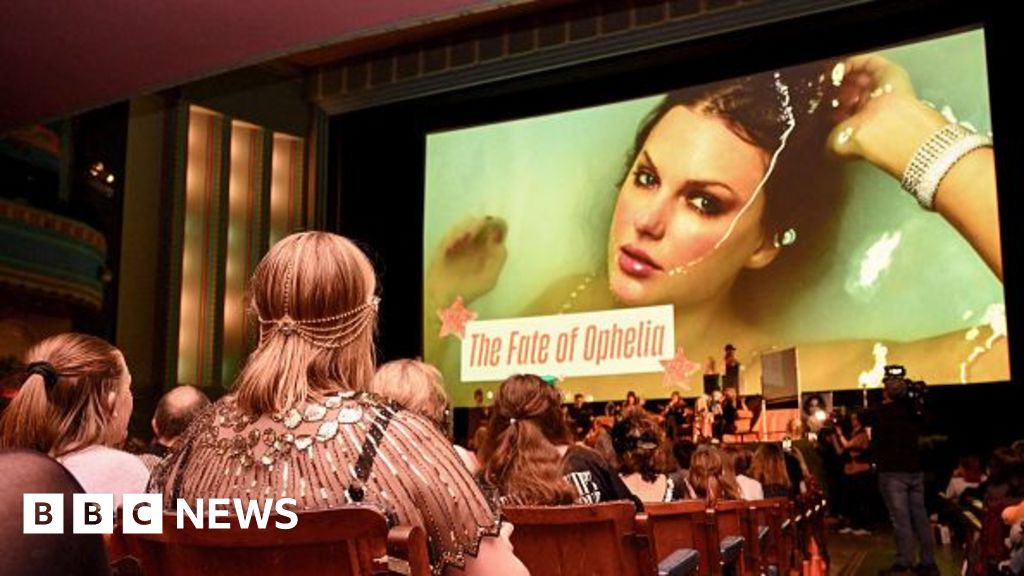
Taylor Swift fans have been flocking to a museum in Germany to see a portrait of Ophelia, featured in the music video for Swift's song "The Fate of Ophelia." The Hessische Landesmuseum in Wiesbaden experienced a surge in visitors over the weekend, with fans eager to see the painting that inspired the video. The painting, believed to be from 1900, depicts a woman resembling Ophelia from Shakespeare's Hamlet, lying drowned in water surrounded by flowers. The museum welcomed the attention and even offered special tours for Swift fans who wanted to see the painting in person.
The music video for "The Fate of Ophelia," which has garnered over 65 million views on YouTube, features the painting coming to life with Taylor Swift at its center. The museum's spokesperson, Susanne Hirschmann, mentioned that fans from different parts of Germany and even Americans from a nearby army base visited the museum after learning about the painting's connection to the music video. The museum's announcement about the painting's resemblance to the one in the video went viral online, attracting a significant amount of attention on social media.
The museum's director, Andreas Henning, expressed his surprise and delight at Taylor Swift using the painting as inspiration for her video. He saw this as a great opportunity to introduce new visitors to the museum who may not have been aware of its existence before. The painting's imagery, with a woman submerged in water, is also reflected on Swift's album cover, adding another layer of connection between the music and the artwork. Swift's album "The Life of a Showgirl" has been a massive success, breaking records in both the UK and the US, further boosting her popularity and influence in the music industry.
In conclusion, the intersection of art, music, and pop culture has brought newfound attention to a German museum, thanks to Taylor Swift's creative vision in her music video. The portrayal of Ophelia in the painting and its connection to Swift's album has sparked interest among fans, leading to a surge in museum visitors and online engagement. This collaboration between the music industry and the art world has not only benefited the museum but also showcased the enduring influence of classic literature and visual art in contemporary music.