The Future of Greyhound Racing in West Virginia: A Critical Crossroads
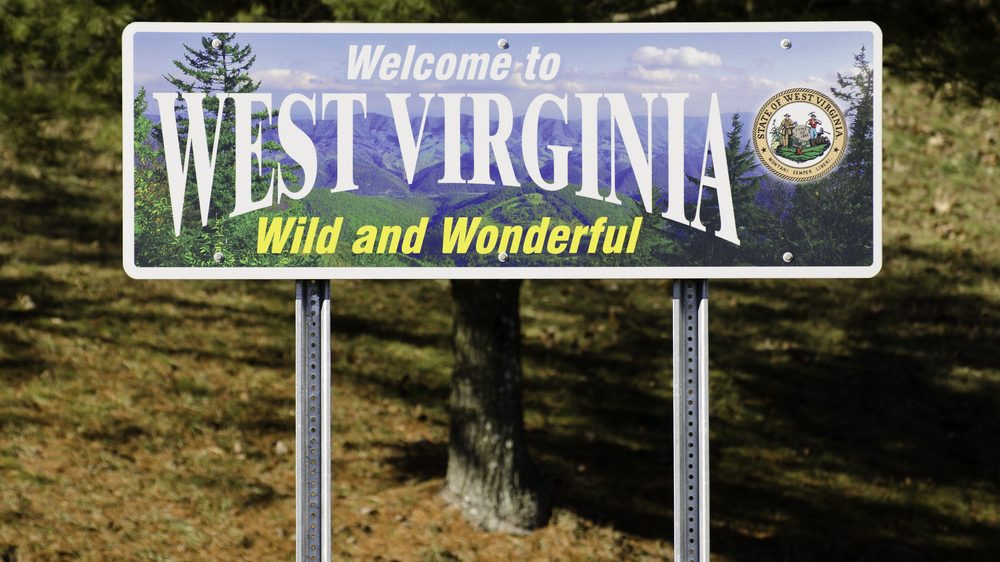
Greyhound racing in the United States is facing a critical moment, with the last two remaining tracks in West Virginia under threat due to the proposed Greyhound Protection Act of 2025. The bill aims to ban greyhound racing nationwide, citing concerns about animal welfare and injuries suffered by racing greyhounds. Despite the decline in live races and attendance, the tracks in West Virginia still play a significant role in generating revenue and providing jobs in the state.
The Mardi Gras Casino & Resort and Wheeling Island Hotel Casino & Racetrack in West Virginia are the last two venues offering greyhound racing in the country. These tracks, operated by Delaware North, employ nearly 900 people and contribute to the local economy and charities. Supporters of the industry argue that the tracks are essential for funding public services and providing employment opportunities in West Virginia.
Opponents of the bill, including greyhound breeders and track operators, emphasize the economic impact of banning greyhound racing. They point out that the industry supports various sectors such as dog training, veterinary services, and local businesses. Additionally, West Virginia law requires that casino table games and video lottery machines be tied to horse or dog racing, making it challenging to eliminate racing altogether.
GREY2K USA Worldwide, a non-profit organization dedicated to ending greyhound racing globally, is advocating for the closure of the remaining tracks in West Virginia. The organization highlights concerns about the welfare of racing greyhounds and their quality of life after retirement. While some argue that the industry is well-regulated and provides proper care for the dogs, others believe that the practice is outdated and should be phased out.
The debate over the future of greyhound racing in West Virginia reflects broader discussions about animal welfare, economic impact, and legislative regulations. As stakeholders on both sides of the issue continue to voice their opinions, the fate of greyhound racing in the state remains uncertain. The decision to ban or preserve this longstanding tradition will have far-reaching consequences for the industry, the community, and the welfare of racing greyhounds.