Carole King's Encounter with John Lennon: A Tale of Initial Rudeness and Later Understanding
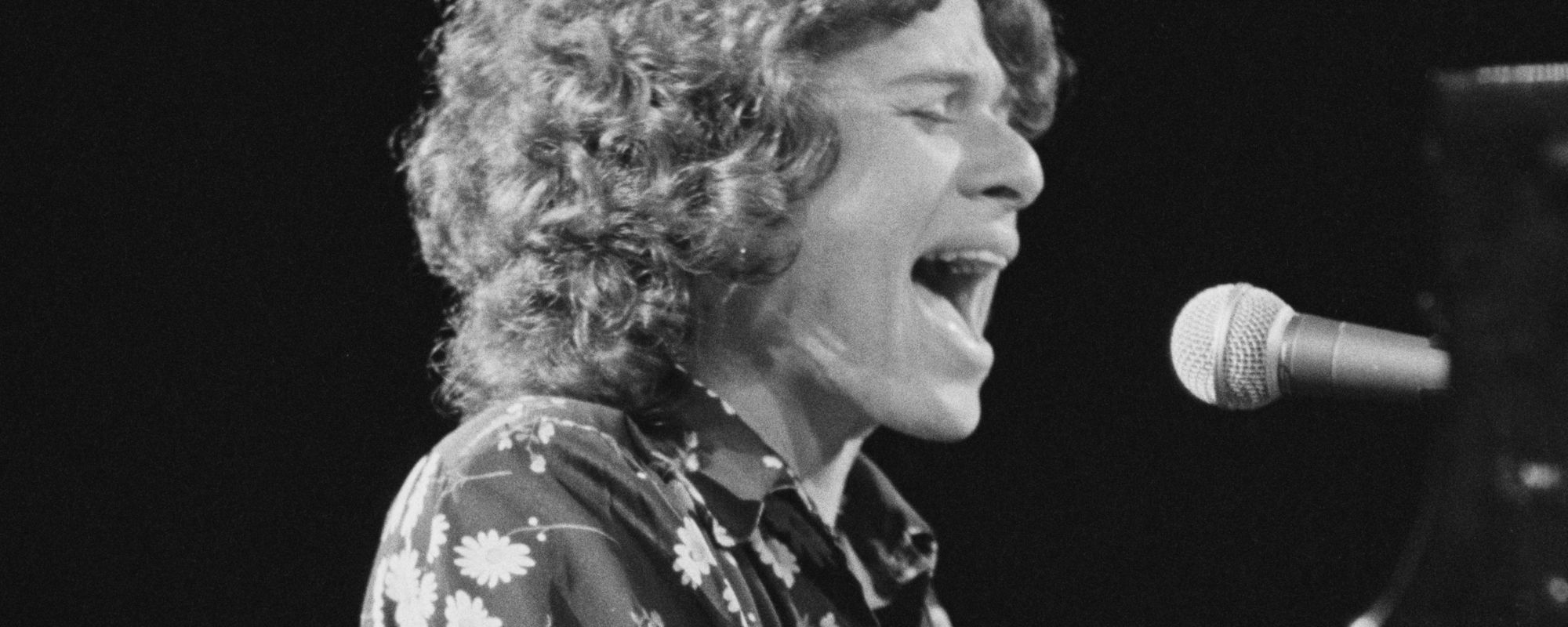
Carole King had a memorable encounter with all four members of The Beatles at a party in New York City. Each Beatle had a distinct personality, with John Lennon being particularly rude to her. Despite her success as a songwriter, Lennon's dismissive behavior left a lasting impression on King. Years later, she confronted Lennon about his cold treatment at the party, and his response shed light on his feelings of intimidation towards her and her songwriting partner, Gerry Goffin.
In the mid-1970s, Carole King unexpectedly met Yoko Ono, John Lennon's wife, in a New York City movie theatre bathroom. This chance encounter led to an invitation to visit Lennon, Ono, and their newborn son, Sean, at their apartment in the Dakota building. King was surprised to find a different side of Lennon during this visit. He expressed happiness in his role as a house husband and seemed content with his life. This meeting prompted King to address the past incident at the Warwick Hotel with Lennon, leading to a candid conversation about his initial rudeness towards her.
Carole King's experience with John Lennon at the Warwick Hotel was not unique, as other women, like Joni Mitchell, also had awkward first encounters with the legendary musician. Mitchell's response to Lennon's dismissive comment about her being "over-educated" was to later attend one of his recording sessions and watch him with a smile, causing discomfort to Lennon and his then-girlfriend May Pang. It seems that different women had varying ways of dealing with Lennon's initial rudeness.
In conclusion, Carole King's interactions with John Lennon at different points in their lives revealed a complex dynamic between the two musicians. Despite Lennon's initial rudeness towards King, their later conversation provided insight into his feelings of intimidation towards her songwriting prowess. The encounter serves as a reminder that first impressions may not always reflect the true nature of a person, and that understanding and communication can lead to a deeper understanding of past interactions.