Enhancing Rider Safety: The Urgent Call for Improved Measures in Cycling
The tragic death of Swiss cyclist Muriel Furrer at the UCI Road World Championships in Zurich has prompted a renewed focus on safety in cycling. The introduction of GPS trackers for riders at this year's event in Rwanda aims to ensure the whereabouts of all cyclists are known at all times, a measure that the cyclists' union, CPA, believes should have been implemented earlier. The investigation into Furrer's death is ongoing, and the cycling community is eager for progress in improving safety measures.
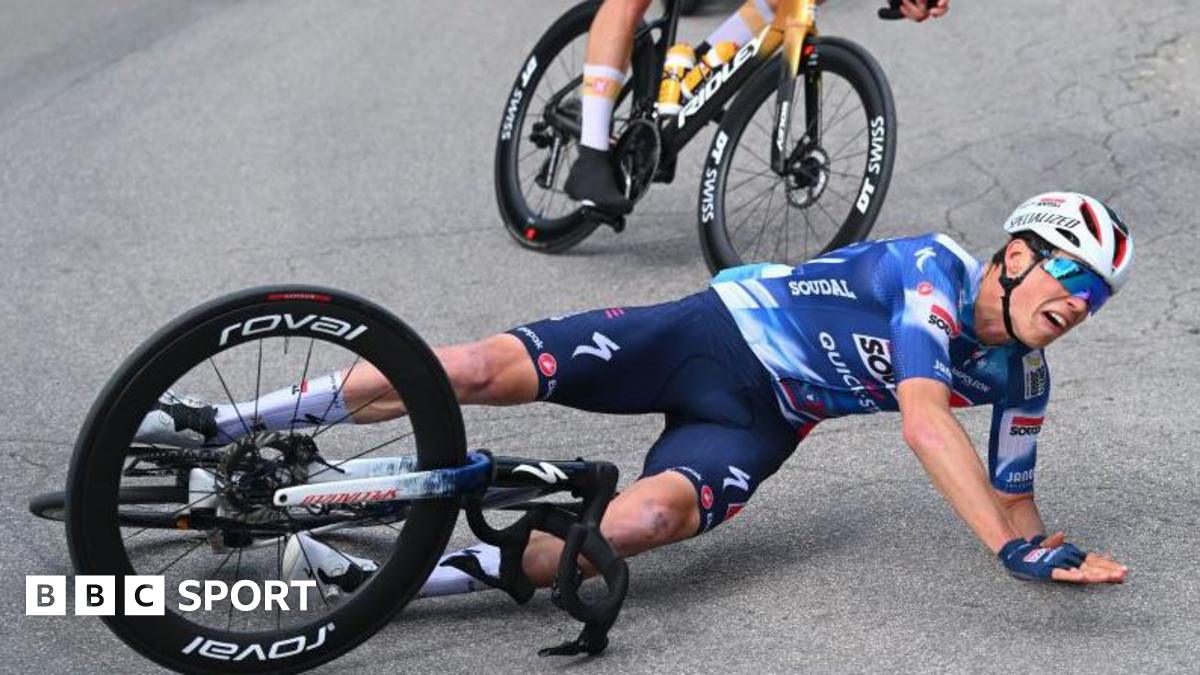
Cycling, with its high speeds and risks involved in road racing, poses significant dangers to riders. The need to push boundaries to win, coupled with limited protection against impact, underscores the potential hazards cyclists face. Elite riders like Tom Pidcock and Kim le Court have experienced serious crashes, highlighting the need for improved safety measures in the sport.
Issues with road conditions and safety protocols have been raised by riders like Le Court and Cat Ferguson, emphasizing the need for better infrastructure and race organization. The introduction of trackers in races like the Tour of Britain Women and Tour de France Femmes aims to enhance rider safety, but challenges remain in implementing comprehensive safety systems due to concerns over data privacy and control.
Efforts to prioritize rider safety, such as the introduction of the SafeR initiative by the UCI, are steps in the right direction. However, more proactive measures, including improved course design and increased safety budgets for smaller races, are needed to prevent accidents and protect cyclists. The cycling community is advocating for greater collaboration between stakeholders to ensure the safety and well-being of riders in all races.