Bob Dylan's Musical Evolution: From Rock 'n' Roll to Folk Music
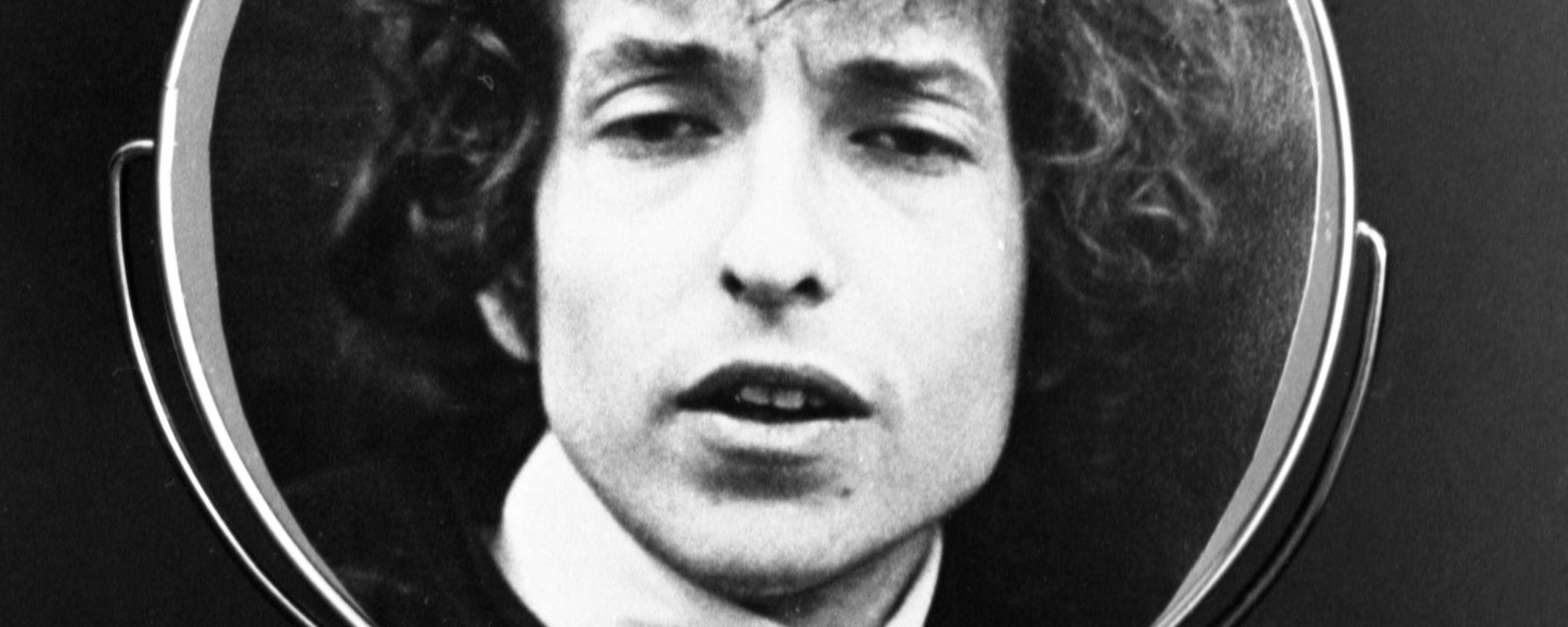
In the early 1960s, Bob Dylan, known for his intellectual folk music persona in Greenwich Village, had a preference for certain artists that he kept private to maintain his traditionalist image. Despite his early days playing boogie-woogie rock in high school, Dylan transitioned to studying folk, blues, and hymns under the guidance of Woody Guthrie and Pete Seeger, causing some artists to fall out of favor with him. Dylan's admission to listening to Elvis Presley when alone was a departure from his earlier musical influences, reflecting his evolving taste and seriousness as a songwriter.
Bob Dylan's shift from rock 'n' roll to folk music was marked by his belief that the former lacked depth and realism compared to the latter. Despite his initial dismissal of rock 'n' roll's seriousness, Dylan acknowledged the influence of early rock icons like Elvis Presley and Little Richard on his musical development. Dylan's emotional response to Presley's death in 1977 highlighted the profound impact Presley had on his life and career, emphasizing the importance of Presley and Hank Williams in shaping his musical journey.
In conclusion, Bob Dylan's musical evolution from rock 'n' roll to folk music was influenced by his desire for deeper, more meaningful songwriting. While his early days as a boogie-woogie musician reflected a different musical approach, Dylan's transition to folk music under the mentorship of folk legends like Woody Guthrie and Pete Seeger shaped his artistic identity and appreciation for traditional music. Despite his initial reservations about rock 'n' roll's seriousness, Dylan's acknowledgment of the influence of artists like Elvis Presley underscored the interconnectedness of different musical genres in his development as a musician.