From Covers to Classics: The Rolling Stones' Evolution in Music History
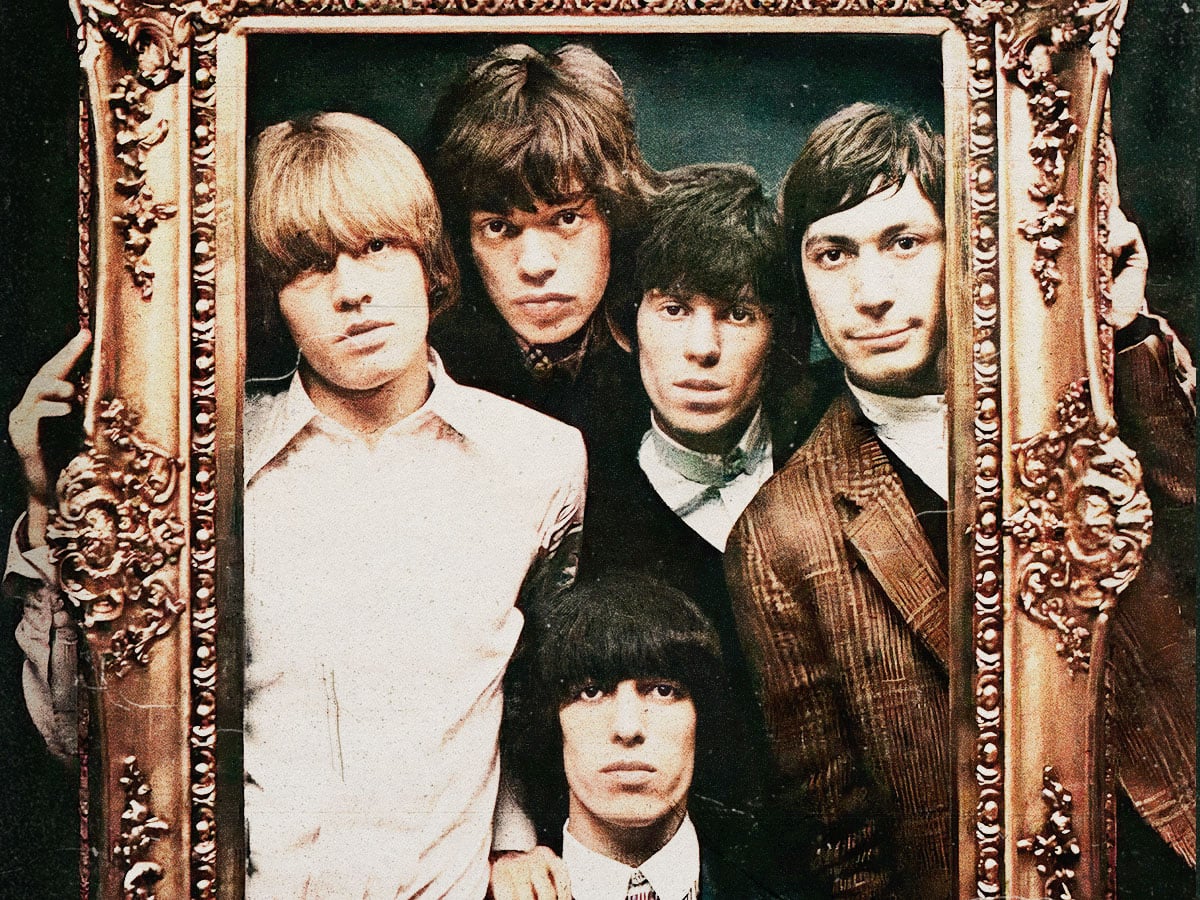
In the 1960s, many iconic bands like The Beatles, The Rolling Stones, and Marvin Gaye gained fame by performing cover songs. This was a common practice at the time, allowing new talent to showcase their skills through familiar tunes. The Rolling Stones, in particular, found success with covers of songs by The Valentinos and Howlin’ Wolf, which topped the charts and helped them establish a presence in the American blues market. However, as their own creativity blossomed, they began writing their own original tracks.
Mick Jagger and Keith Richards penned their first original song, "I Wanna Be Your Man," in 1963, but it was their 1965 hit, "(I Can’t Get No) Satisfaction," that solidified their place in music history. The song stayed at number one for four weeks and marked a shift in the band's identity from cover artists to creators of their own unique sound. The iconic guitar riff in the song became synonymous with The Rolling Stones' brand of rock and roll, capturing the essence of their entertaining and mischievous style.
Despite the song's massive success, both Jagger and Richards had different perspectives on its potential. Richards initially underestimated the song's commercial appeal, while Jagger recognized its catchy title, guitar riff, and overall originality. Looking back, Richards admitted that he didn't realize the song's commercial potential at the time, while Jagger always believed in its power. Their differing views highlight the complexity of creating a hit song and the importance of trusting in one's creative instincts.
In conclusion, The Rolling Stones' journey from cover artists to chart-topping songwriters exemplifies the evolution of a band finding its own voice in the music industry. "(I Can’t Get No) Satisfaction" not only propelled them to new heights of success but also solidified their place as one of the most influential rock bands of all time. The song's enduring popularity serves as a testament to the band's originality and lasting impact on the world of music.