OpenAI's New Copyright Policy: Empowering Creators and Protecting Japanese IP in Sora 2
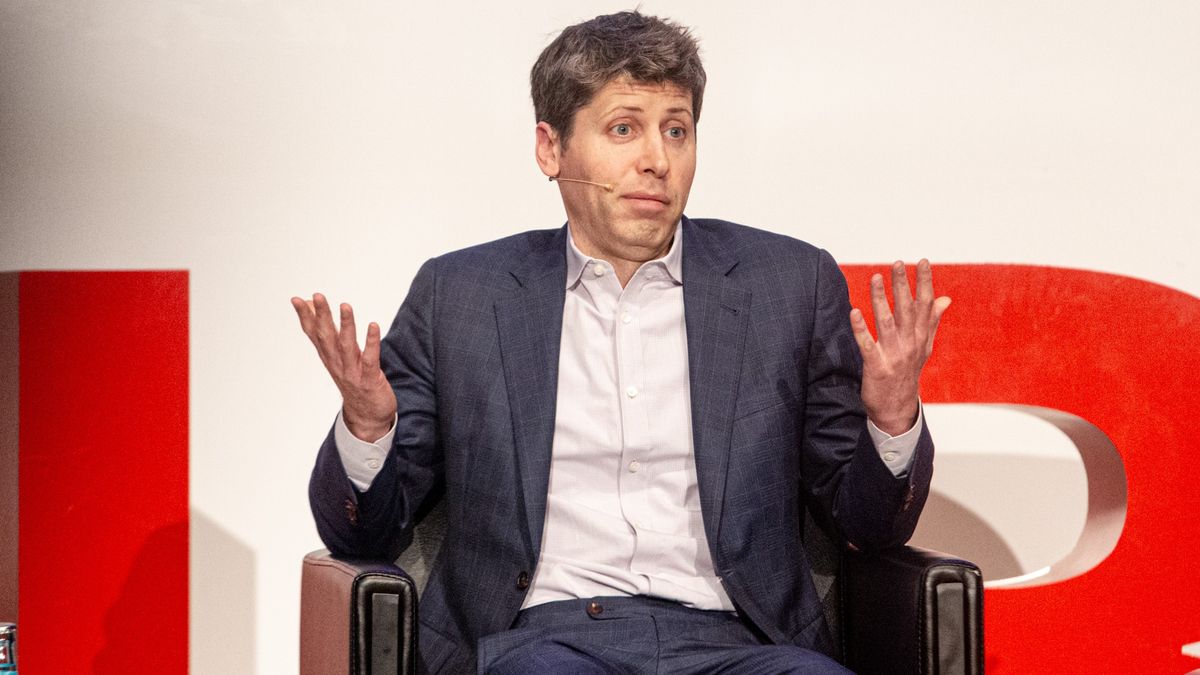
OpenAI recently made changes to its policy regarding copyrighted content in response to the use of Japanese intellectual property in viral videos generated by its Sora 2 AI model. The decision to update the policy came shortly after the launch of Sora 2 on September 30, following concerns raised by copyright holders. In a blog post on October 3, Sam Altman announced that OpenAI would implement an opt-in policy for copyrighted material, requiring explicit permission from copyright holders for their content to be used in Sora-generated videos.
Altman emphasized the importance of giving rightsholders more control over the use of their characters in Sora prompts. The new policy aims to address the concerns raised by Japanese content creators and copyright holders, who expressed interest in the interactive fan fiction aspect of Sora but wanted to specify how their characters could be used. The update reflects OpenAI's recognition of the value of Japanese content and the need to respect the rights of creators in the digital space.
The shift in policy follows a surge in Sora-generated videos featuring characters from popular Japanese game and anime studios, including Nintendo, Pokémon, One Piece, Demon Slayer, and Studio Ghibli. While videos incorporating Japanese IP proliferated online, references to American IP, such as Marvel and Disney characters, were noticeably absent. This discrepancy prompted calls for action to protect Japanese creators and the domestic content industry from potential legal and political challenges posed by the use of copyrighted material in AI-generated content.
Prior to the policy update, OpenAI had initially adopted an opt-out approach for copyright holders, requiring them to notify the company if they did not want their content to be included in Sora prompts. This approach differed from the opt-in model for real people, such as celebrities, who were protected by default unless permission was granted for their likeness to be used. The distinction between opt-in and opt-out policies raised concerns about potential copyright infringement lawsuits, prompting OpenAI to revise its stance and introduce the opt-in requirement for all copyrighted material in Sora.
In conclusion, OpenAI's decision to update its policy for copyrighted content in Sora reflects a commitment to respecting the rights of creators and addressing concerns raised by copyright holders, particularly in the context of Japanese intellectual property. By implementing an opt-in model for copyrighted material, OpenAI aims to provide greater control and transparency to rightsholders while navigating the complex landscape of AI-generated content and intellectual property rights.