The Legacy of Woody Guthrie: A Musical Journey Through American Folk
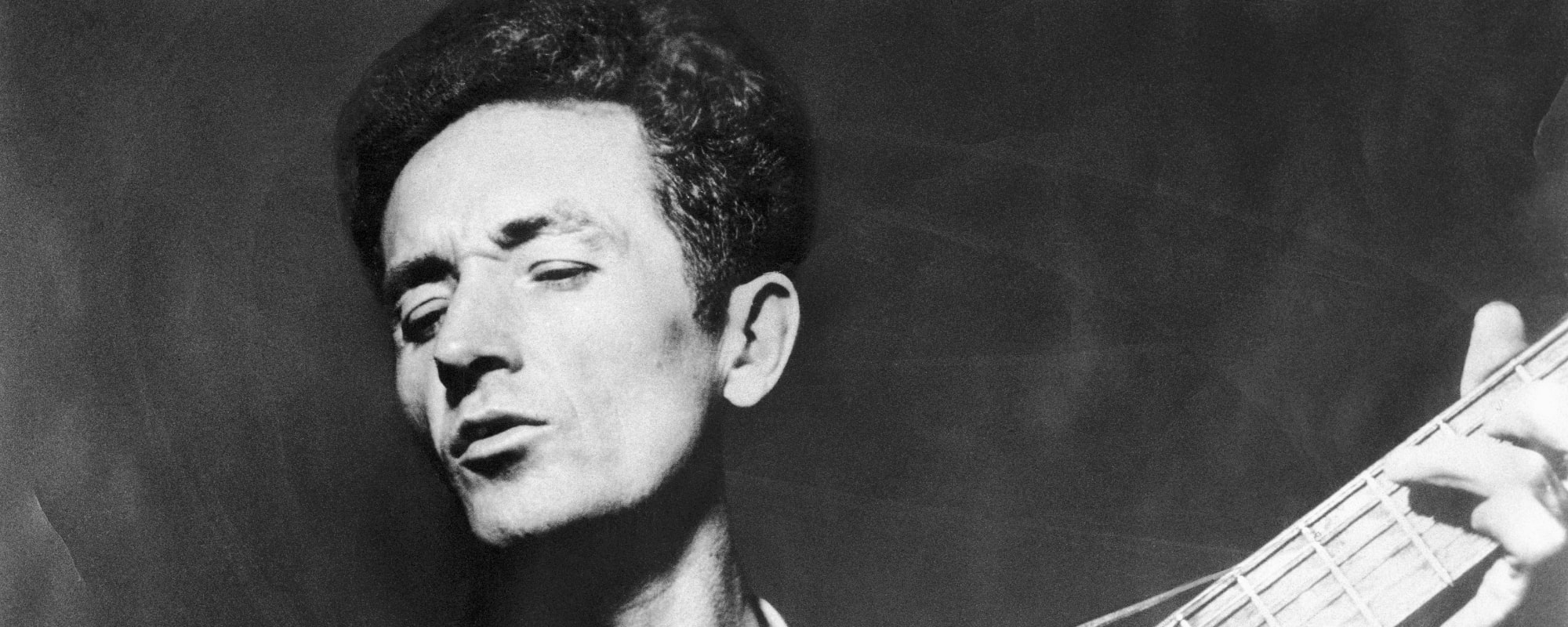
On October 3, 1967, Woody Guthrie passed away at Creedmore Psychiatric Center in New York due to Huntington’s disease at the age of 55. Known for iconic American folk songs like “This Land Is Your Land,” Guthrie’s upbringing in the oil boom town of Okemah, Oklahoma, shaped his perspective. Despite facing personal tragedies and economic hardships, Guthrie left home at 25, eventually settling in Los Angeles after the Dust Bowl struck in 1935.
As an “Okie” in California, Guthrie found solace in music and activism, using his platform at radio station KFVD to connect with fellow Dust Bowl refugees. His outspoken views on social issues and support for union organizing resonated with his audience. Moving to New York in 1940, Guthrie collaborated with folk musicians like Pete Seeger and Burl Ives, contributing to the rise of folk music as a popular genre.
Guthrie’s influence extended beyond his music, with artists like Bob Dylan, Johnny Cash, and Bruce Springsteen drawing inspiration from his work. His iconic guitar bearing the words “This machine kills fascists” symbolized his commitment to social justice. Guthrie’s legacy lives on in the music of countless artists who continue to champion his message of authenticity and social consciousness.
Woody Guthrie’s impact on American music and culture remains profound, with his songs serving as a testament to the power of music in conveying the struggles and triumphs of the people. As Guthrie once said, “the word is the music and the people are the song,” encapsulating his belief in the transformative nature of music in reflecting the human experience.