Navigating the U.S. Government Shutdown: Impacts, Contention, and Consequences
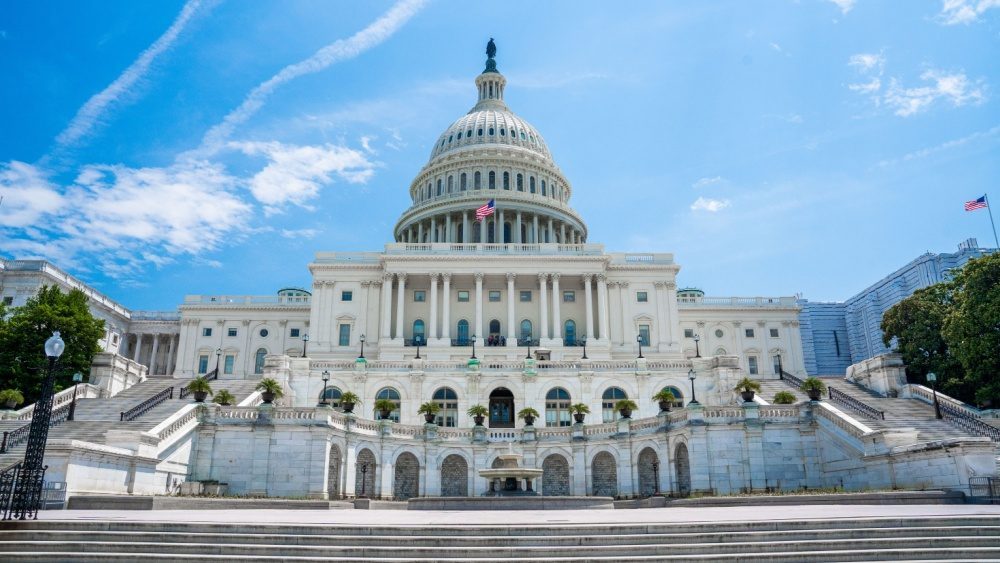
The U.S. government has entered a shutdown as Congress failed to agree on a spending bill to fund federal agencies beyond September 30. Disagreements over the allocation of federal funds, particularly regarding Obamacare tax credits, led to the impasse between President Donald Trump and congressional Democrats. Consequently, nonessential federal agencies relying on congressional funding will be suspended, potentially resulting in furloughs for hundreds of thousands of federal workers until a funding plan is approved.
The main point of contention during negotiations is the Affordable Care Act, commonly known as Obamacare. Democrats have been urging Republicans to address ACA subsidies to enhance the affordability of healthcare before the open enrollment period commences on November 1. However, the GOP has deferred these concerns, emphasizing the need to keep the government operational before delving into policy discussions.
When the federal government exhausts its funding, a shutdown ensues until lawmakers reach a consensus on extending funding. In a divided Congress where both parties hold significant bargaining power, passing funding bills has become increasingly challenging. Each party must weigh the decision to compromise to keep the government running or stand firm on their principles, risking an unpopular shutdown.
The repercussions of a government shutdown are widespread, affecting national entities like the National Park Service and federally funded museums, which may close their doors to the public. While Social Security and Medicare benefits remain unaffected due to separate funding laws, delays in processing requests are expected. Essential government employees, such as TSA agents and air traffic controllers, will continue working without pay until the government reopens, potentially causing staffing shortages and travel disruptions.
Government shutdowns can vary in duration, lasting from hours to weeks. The longest shutdown in U.S. history occurred during Trump's first term, lasting 35 days. The current shutdown marks the first since then. Reports suggest that the Trump administration may capitalize on the shutdown by considering mass firings through Reduction in Force directives, potentially altering the landscape of government operations.
As the government shutdown unfolds, the impact on federal agencies and employees becomes increasingly apparent. The ongoing stalemate in Congress underscores the challenges of reaching consensus on critical funding issues, highlighting the need for bipartisan cooperation to avert future shutdowns and ensure the smooth functioning of government operations.