Update on Negotiations: Trump Administration and Pharmaceutical Companies Working Towards Aligning U.S. Drug Prices with Global Standards
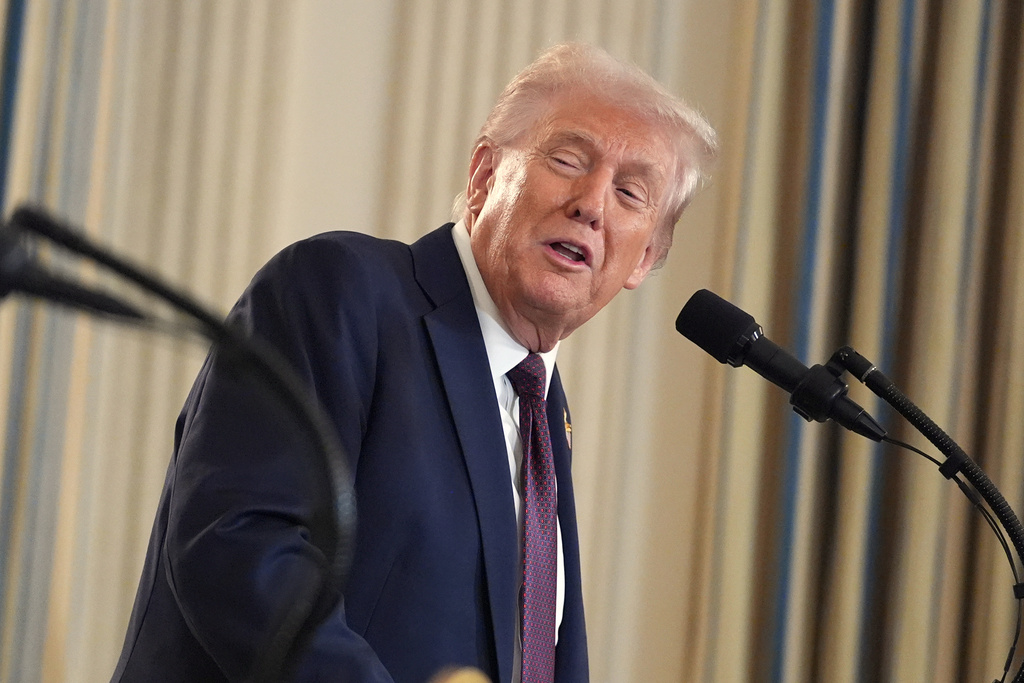
Negotiations between the Trump administration and pharmaceutical companies regarding the reduction of U.S. prescription drug prices to align with those of other countries are still ongoing, even though the deadline has passed. President Donald Trump had set a deadline for 17 major pharmaceutical companies to voluntarily implement a pricing program that would bring U.S. drug prices in line with those of other developed nations. Some companies have confirmed that they are still in talks with the administration about pricing strategies.
In a letter sent to the companies earlier this year, President Trump urged them to provide "most favored nation" prices to Medicaid patients, increase international prices to fund lower prices for American patients, offer direct-to-consumer purchasing at MFN prices, and ensure that new drugs are launched with MFN pricing. Only Eli Lilly and Bristol Myers Squibb have made announcements related to adjusting prices in response to the president's request.
The White House has not provided any updates on the status of negotiations for MFN pricing on a broader range of products. According to a White House fact sheet, Americans pay significantly more for brand-name prescriptions compared to other developed countries, and the U.S. accounts for a large portion of global pharmaceutical profits despite having a small percentage of the world's population.
In an effort to comply with Trump's deadline, Sanofi and Novartis have introduced new direct-to-consumer pricing initiatives for their products. Sanofi is offering a 30-day supply of its insulin products for $35 to all U.S. patients with a valid prescription, while Novartis has launched a similar platform for its drug Cosentyx. Other pharmaceutical companies are actively engaged in negotiations with the administration to explore policies that could lower drug prices for U.S. consumers.
The proposed policy, known as the "Global Benchmark for Efficient Drug Pricing (GLOBE) model," is currently under regulatory review by the Centers for Medicare & Medicaid Services (CMS). The policy aims to establish a pricing model for prescription drugs that aligns with the lowest price paid by a group of peer countries. Pharmaceutical lobbyists anticipate that the policy will resemble a 2020 rule from the previous Trump administration, which was ultimately blocked by the courts.
In conclusion, ongoing negotiations between the Trump administration and pharmaceutical companies continue to focus on reducing U.S. prescription drug prices to match those of other developed nations. Companies are exploring various pricing strategies and initiatives to address the disparities in drug pricing between the U.S. and other countries. The proposed GLOBE model, currently under CMS review, aims to establish a benchmark for efficient drug pricing that could potentially lower costs for American patients.