Balancing Faith and Game Schedules: Revisiting Postgame Prayer Policies in District 10 Hockey Association
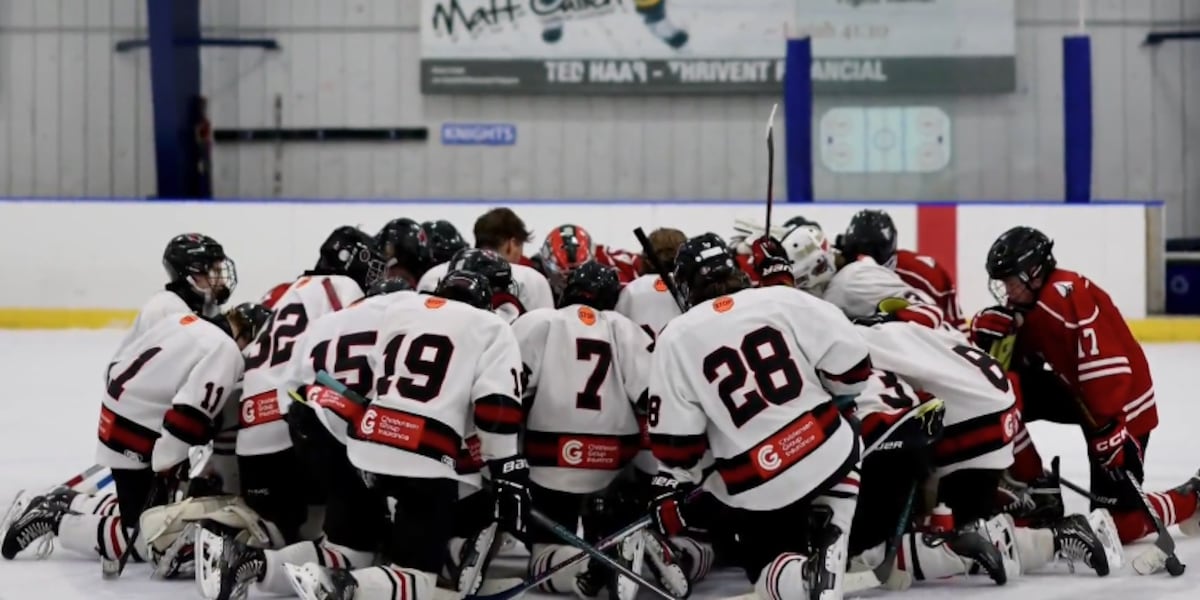
A Minnesota hockey association in District 10 is revisiting a controversial decision regarding postgame prayer penalties. Parents were surprised to learn that prayer after games would result in a coach misconduct penalty and potential suspension. The decision sparked debate among community members, with some feeling that the team's unity was being disrupted by the ruling.
District 10 rulemakers, including Jeff Meister, defended the decision as a way to maintain game schedules and ensure timely transitions between matches. While Meister emphasized that the rule was not meant to be anti-prayer, he stressed the importance of keeping the games on schedule. The issue raised concerns about balancing religious practices with logistical considerations during hockey events.
Following public outcry, the state's hockey association clarified that the intention was not to discriminate against player prayer. The association acknowledged the need to find a solution that respects religious practices while also adhering to game schedules. One proposed solution is to potentially shorten game durations to accommodate postgame prayer rituals, addressing the concerns raised by the community.
The debate surrounding postgame prayer extends beyond hockey, touching on broader implications of religious expression in public spaces. Community members like Cameron Carson highlighted the significance of preserving the freedom to engage in prayer in various settings. The discussion also raised questions about inclusivity and creating space for diverse faith traditions within sports environments.
As the hockey association reevaluates the postgame prayer policy, the focus remains on finding a balanced approach that respects both religious practices and logistical constraints. The ongoing dialogue underscores the importance of fostering an inclusive and respectful environment for all participants, regardless of their beliefs or backgrounds.