Pedaling Towards Greatness: African Cyclists Make History at the Road Cycling World Championships in Rwanda
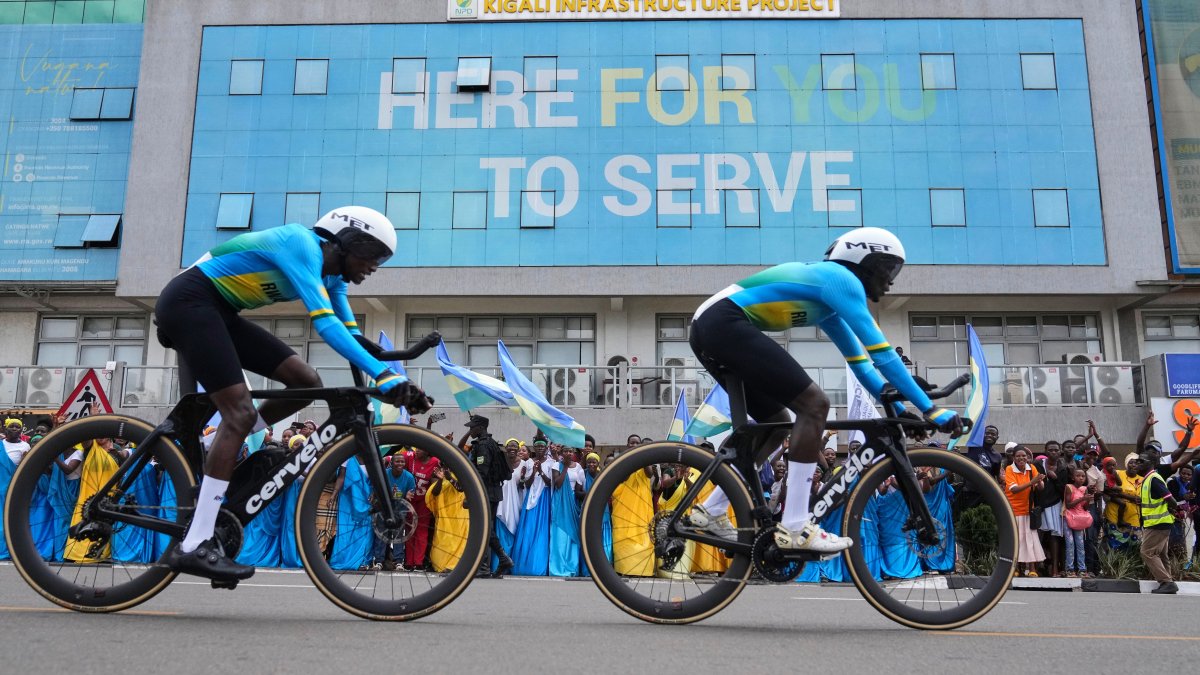
In Uganda's bustling capital, Kampala, Ronald Yiga, a 32-year-old cyclist, was gearing up for the road cycling world championships in neighboring Rwanda. Yiga, part of the Fun Cycling Club, saw this event as a significant opportunity for African cyclists to compete alongside their idols and elevate the sport on the continent. The competition marked a historic moment as it was the first time the championships were held in Africa since its inception 104 years ago.
Yiga, who started cycling during the COVID-19 pandemic due to transport restrictions, expressed his excitement about seeing renowned cyclists like Tadej Pogačar, the current road race world champion and Tour de France winner, in action at the championships. For Yiga and his teammate Aziz Ssempijja, the event was not just about representing Uganda but also about showcasing their talent and potentially attracting professional teams to further their cycling careers.
Despite the disparity in equipment, with many African riders using vintage rim-brake bikes compared to the high-end machines used by professionals, the cyclists remained determined and hopeful for a breakthrough. The championships were seen as a pivotal moment for African cycling, with the potential to ignite more interest and activities in the sport across the continent.
The competition in Rwanda drew thousands of visitors and was expected to reach a global audience of over 300 million viewers. Elite riders from around 100 nations competed on challenging courses, including the men's 273-kilometer road race with significant elevation gain. The event was not only a showcase of athletic prowess but also an opportunity for Rwanda to demonstrate its commitment to developing world-class cycling and promoting tourism in the region.
Rwanda's investment in cycling infrastructure and hosting international events reflected its ambition to position itself as a sports destination. The country's efforts to leverage sports for economic growth and global recognition were part of a broader strategy to showcase Rwanda's potential and attract investment. Despite some controversies surrounding the government's human rights record and allegations of using sports events for political purposes, the enthusiasm and support for the cycling championships in Rwanda were palpable among the local community.
The championships represented a milestone for African cycling and a chance for riders like Yiga and Ssempijja to shine on the international stage. The event not only highlighted the talent and determination of African cyclists but also underscored the potential for the continent to become a competitive force in the world of cycling. As the championships unfolded in Rwanda, the cycling community in Africa eagerly awaited the outcomes, hoping to leave a lasting impression on the global cycling scene.