The Impact of Divisive Rhetoric: Examining Trump's Hatred Towards Political Opponents
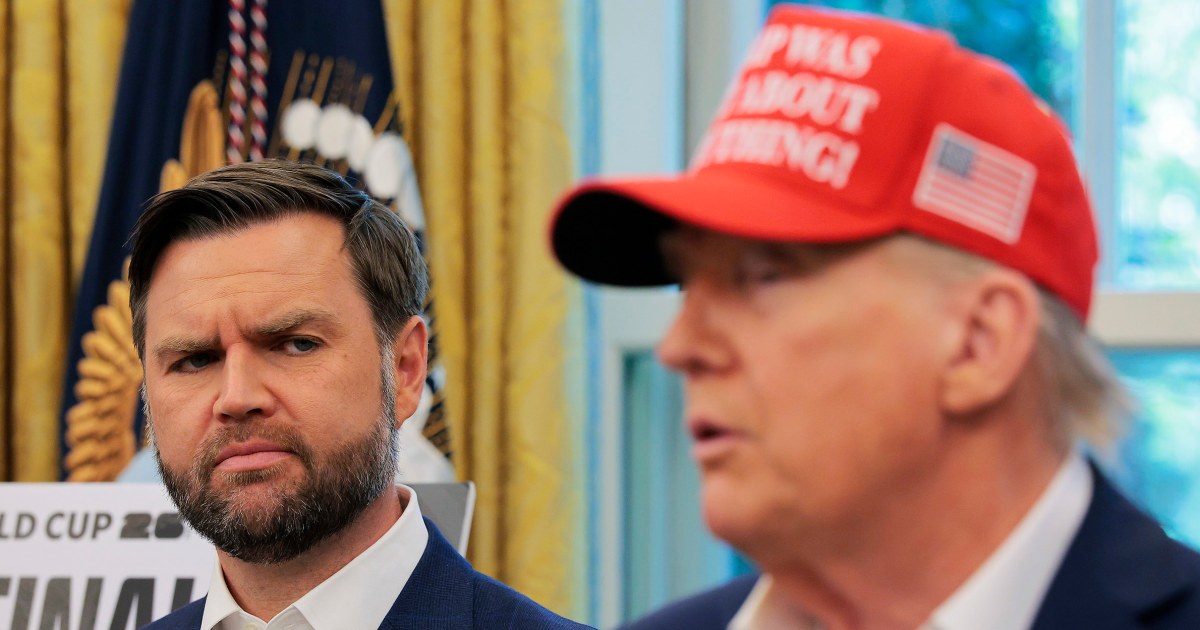
At a memorial service for Charlie Kirk, his widow, Erika Kirk, expressed forgiveness towards the man who killed her husband, emphasizing that hate is not the answer. Donald Trump, however, contradicted this sentiment by admitting his own hatred towards his opponents, diverging from the message of love and forgiveness. JD Vance later suggested that Trump's remarks may have been intended as a joke, highlighting the difficulty of forgiving enemies in a humorous manner.
While some may interpret Trump's comments as jest, his previous statements indicate a consistent pattern of expressing animosity towards his political adversaries. Trump has openly declared his hatred for Democrats, labeling them as "evil people" and "fascists," among other derogatory terms. This rhetoric, coupled with his divisive language, paints a picture of a leader who harbors deep-seated animosity towards those who oppose him.
Despite attempts to downplay Trump's remarks as humor, the underlying message of disdain and contempt for political opponents remains clear. Trump's divisive rhetoric and inflammatory language contribute to a polarized political climate, where hatred and animosity towards those with differing views are normalized. The lack of unity and empathy in political discourse only serves to deepen divisions and hinder progress towards a more inclusive and compassionate society.