Strategic Investments in College Football: Balancing Success and Tradition
In the world of college football, the age-old adage of "spend money to make money" rings true, especially in light of recent coaching changes at UCLA and Virginia Tech. The key question remains: will these programs invest the necessary funds to achieve success? UCLA's financial struggles have hindered its progress, while Virginia Tech's underinvestment in personnel and facilities has left them lagging behind. Without a financial commitment, hiring new coaches may not yield the desired results.
Arkansas' AD Hunter Yurachek's candid admission that the Razorbacks are not currently equipped to win a national championship underscores the importance of financial backing in college football. While every school aspires to championship glory, few are willing to make the necessary investments to turn that dream into reality. Without adequate resources, success becomes elusive, and the cycle of mediocrity persists.
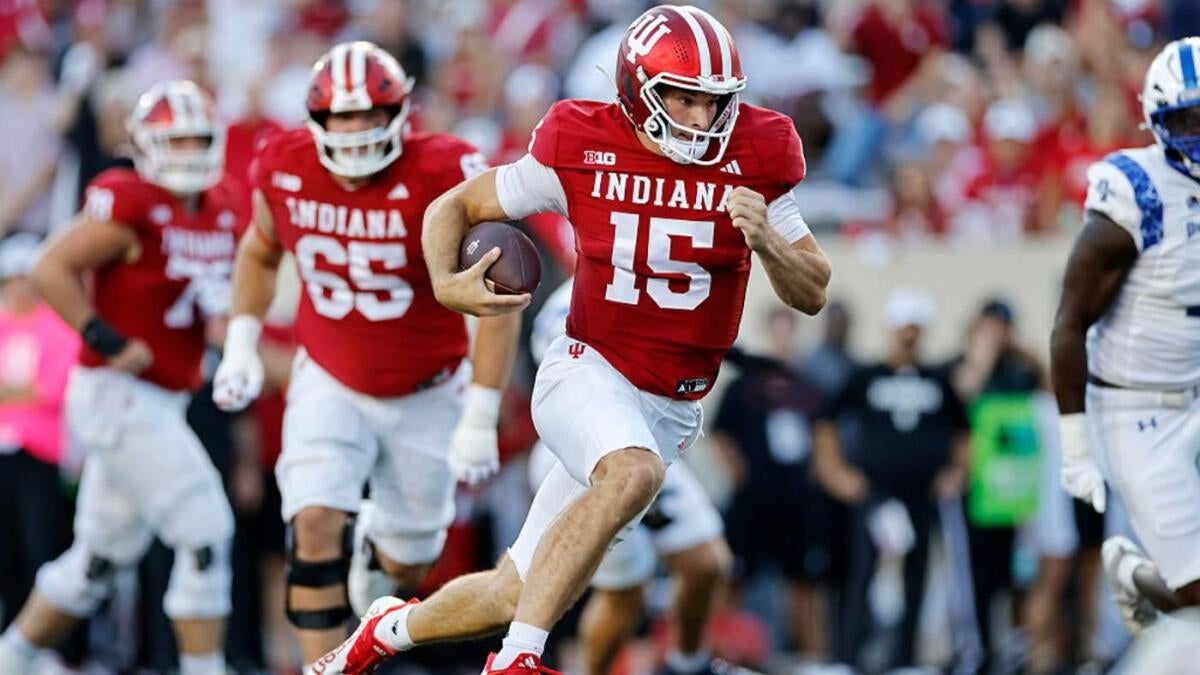
The spotlight is on Indiana's Fernando Mendoza and Illinois' Devon Dampier, two rising stars in college football. Mendoza's impressive performance at Indiana has caught the attention of NFL scouts, positioning him as a top quarterback prospect. Meanwhile, Dampier's electrifying play at Utah has transformed the Utes into playoff contenders. Their success highlights the impact of strategic investments in player development and recruitment.
No. 17 Texas Tech and No. 16 Utah exemplify the benefits of strategic spending in college football. Texas Tech's ambitious approach and significant investments have propelled them to an undefeated season, while Utah's offensive revamp has elevated them to playoff contention. These programs demonstrate that targeted spending on player development and coaching can yield tangible results on the field.
Miami's recruiting prowess and financial resources have positioned them as a rising force in college football. Head coach Mario Cristobal's recruiting acumen, coupled with a dynamic offensive scheme, has attracted top talent to the program. With a string of successful quarterback additions and a winning streak, Miami is poised for a resurgence, signaling a return to national prominence.
The prospect of college football games in Europe, such as the proposed matchup between Arizona State and Kansas at London's Wembley Stadium, raises concerns about the sport's identity and fan experience. While international games may offer unique opportunities, they risk diluting the essence of college football rooted in local traditions and community spirit. The logistical challenges and potential impact on player performance further underscore the need to preserve the sport's distinct character.
In conclusion, the future of college football hinges on a delicate balance between financial investment and preserving the sport's unique appeal. While strategic spending can drive success on the field, administrators must tread carefully to ensure that the essence of college football, with its rich traditions and passionate fan base, remains intact. By prioritizing the sport's core values and strategic investments, college football can continue to thrive and captivate audiences both at home and abroad.