Entertainment Giants Sue Chinese AI Company MiniMax for Copyright Infringement: A New Era of Intellectual Property Protection
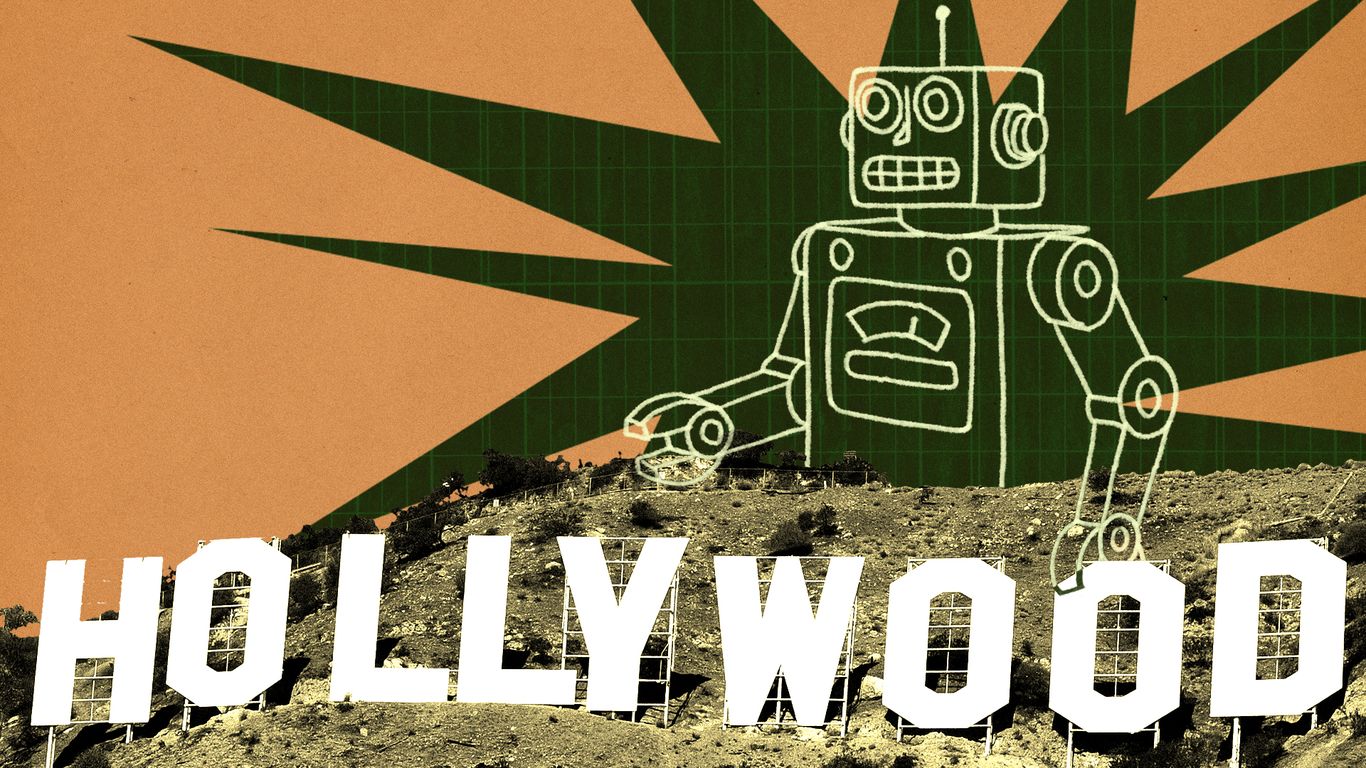
Disney, NBCUniversal, and Warner Bros. Discovery have jointly filed a lawsuit against Chinese AI company MiniMax for allegedly engaging in widespread piracy of their copyrighted content. This legal action marks the second significant lawsuit this year by the entertainment companies, signaling a more assertive approach to safeguarding their intellectual property. The lawsuit, filed in the U.S. District Court for the Central District of California, accuses MiniMax of violating U.S. copyright law by using the studios' copyrighted characters without authorization, with the plaintiffs describing the infringement as "willful and brazen."
In a joint statement, Disney, NBCU, and WBD emphasized their support for innovation that enhances creativity while protecting the contributions of creators and the creative industry. MiniMax, which filed for an IPO in Hong Kong with a valuation of $4 billion in July, is facing legal action that underscores the lengths to which U.S. movie studios are willing to go to safeguard their intellectual property in the era of artificial intelligence.
The entertainment industry is grappling with the implications of AI technology, with Hollywood pursuing legal action against some AI startups while entering into partnerships with others. This response to AI's impact on intellectual property rights and production efficiencies will shape the future of content creation and monetization. The surge in deals and lawsuits between publishers and AI companies over the past few years signifies a significant shift from the Web 2.0 era to the Agentic Web, highlighting the evolving landscape of content creation and protection.
The increasing legal battles between intellectual property owners and AI firms indicate a shift in the dynamics of copyright enforcement, with AI companies facing stronger copyright claims compared to social media platforms. This shift has empowered content creators to pursue legal action or demand higher compensation from tech giants, reflecting a new era of intellectual property protection in the digital age.