David Bowie's New York: A Creative Haven and Final Chapter
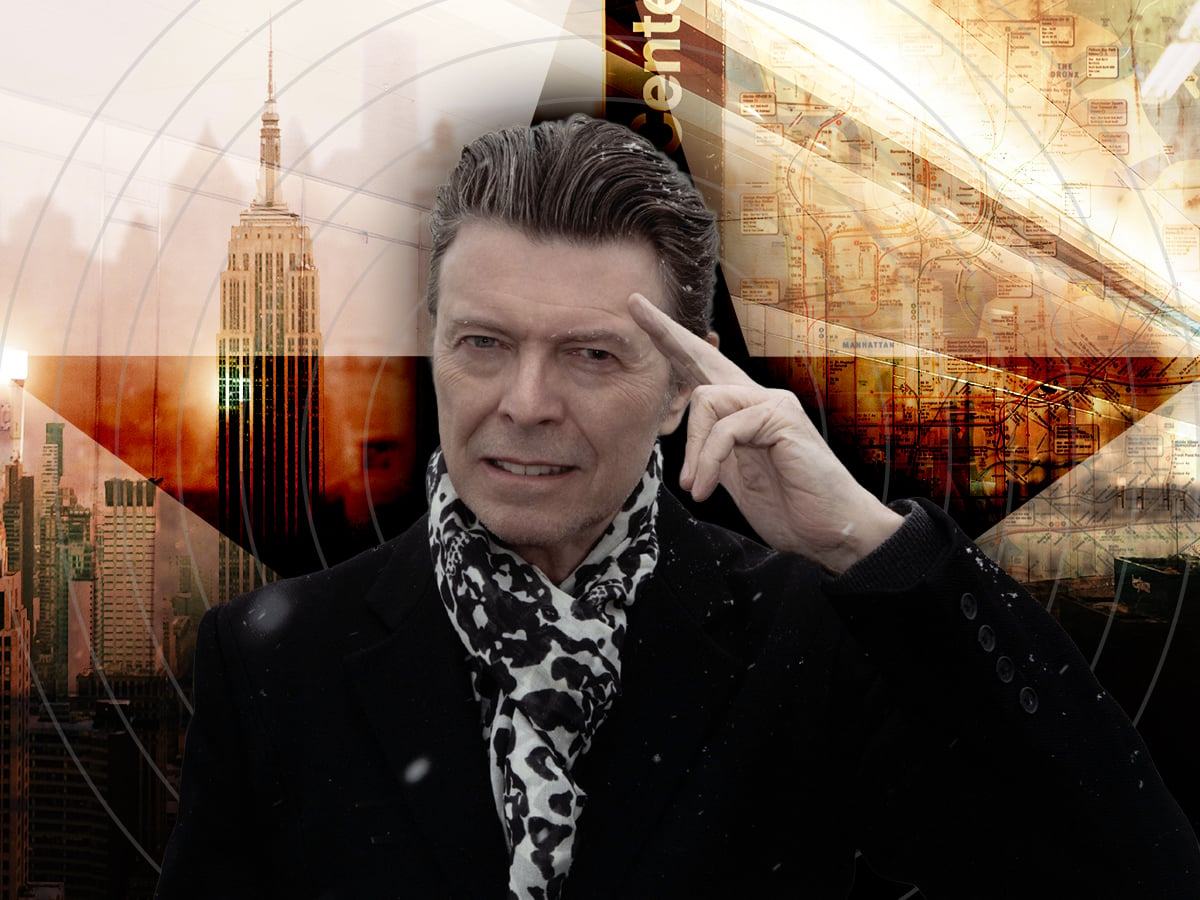
David Bowie's connection to New York City often goes unnoticed compared to his ties to south London and Berlin. Despite the city's reputation for glamour and drama, it served as a significant hub for Bowie's artistic endeavors for nearly a quarter of a century. Following a period of seclusion in the early 2000s, Bowie found solace in the bustling city, particularly in his home in downtown Manhattan, where he focused on family life away from the spotlight.
In 2013, Bowie experienced a creative resurgence, with New York becoming a central inspiration for his final works. Albums like "The Next Day" and "Blackstar" were recorded at The Magic Shop studio, near his home, reflecting themes of mortality and introspection. Concurrently, Bowie delved into the world of theater, culminating in his final play, "Lazarus," which premiered in New York shortly before his passing.
Despite facing his own mortality, Bowie approached his final projects with a sense of continuity and creativity, hinting at future endeavors even as his health declined. His dedication to his craft and the city that surrounded him underscored the profound impact New York had on his artistic legacy. Bowie's enduring connection to the city and its vibrant creative community shaped his final years and left an indelible mark on his work.
In the end, Bowie's time in New York City symbolized a period of introspection, creativity, and acceptance. His ability to find inspiration and solace in the city's chaotic energy speaks to the transformative power of artistic expression and the enduring legacy of a true musical icon. Bowie's final chapter may have been written in New York, but his influence and spirit continue to resonate worldwide, a testament to the timeless allure of his music and persona.