Trump's Chicago Controversy: The Department of War, Federal Intervention, and Local Resistance
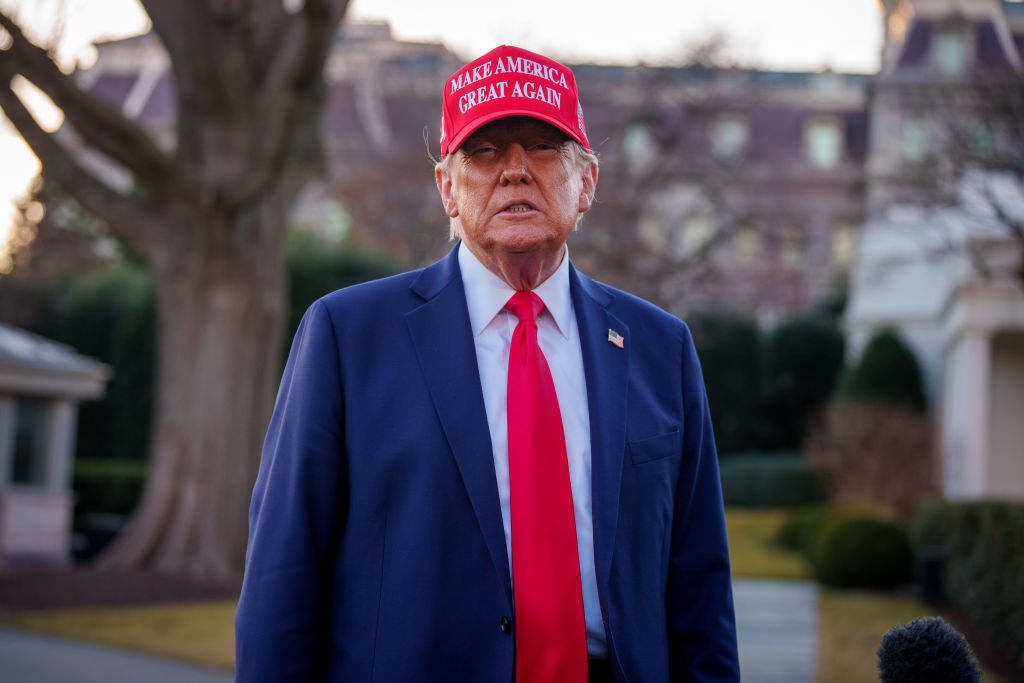
President Donald Trump recently stirred controversy by sharing a provocative image on social media that depicted a scene from the movie "Apocalypse Now" with a fiery skyline of Chicago. The post, which referenced the Department of War, was met with criticism and concerns about the president's intentions towards the city. Despite the initial backlash, Trump later clarified that he did not intend to declare war on Chicago.
The image, featuring Trump photoshopped into a character from the film, was part of the president's ongoing rhetoric against Democratic-led cities. This move followed his executive order to rename the Defense Department as the "Department of War," a decision that requires congressional approval. Trump's actions signal a continuation of his strategy to deploy federal forces in cities facing unrest.
While Trump has previously sent troops to other cities and hinted at similar actions in Chicago, the specifics of his plan remain unclear. Illinois officials have expressed opposition to the administration's enforcement expansion, with Governor JB Pritzker condemning Trump's post and preparing legal challenges. The tension between federal intervention and local resistance is escalating in the face of potential federal involvement in Chicago.
As the situation unfolds, the divide between federal authority and local autonomy becomes increasingly pronounced. Trump's use of provocative imagery and rhetoric raises concerns about the extent of federal intervention in cities like Chicago. The clash between political powers and public sentiment underscores the complex dynamics at play in the current political landscape.