Operation Pacific Viper: U.S. Coast Guard's Record-Breaking Drug Seizures in the Eastern Pacific and Caribbean
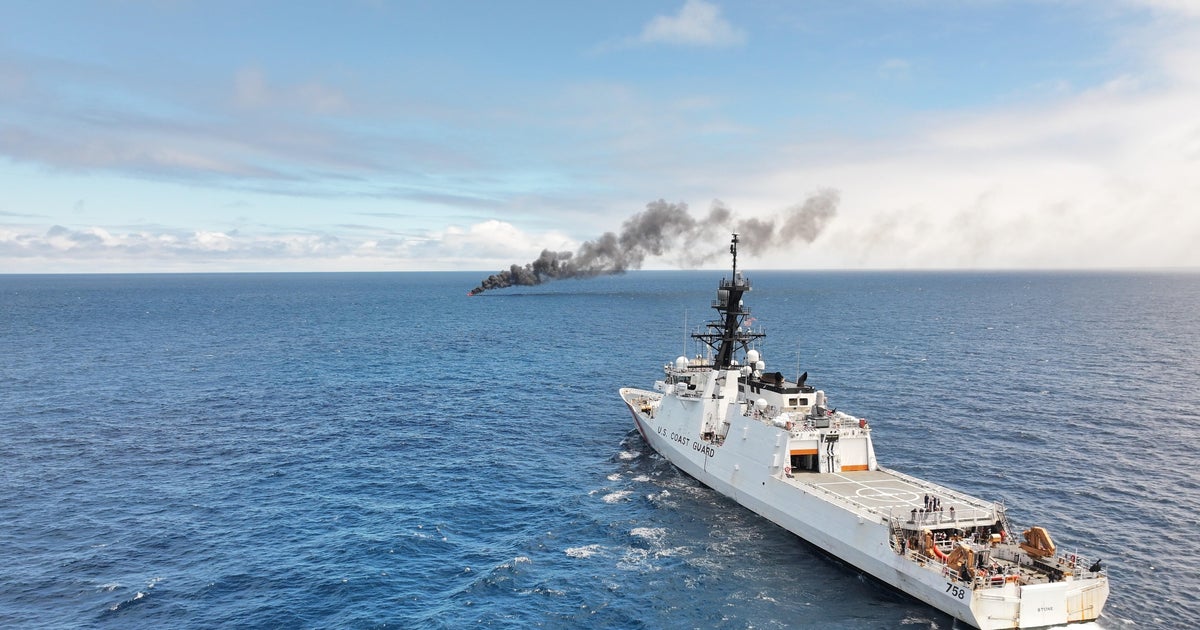
The U.S. Coast Guard has reported a significant increase in drug seizures in the Eastern Pacific Ocean, with over 40,000 pounds of cocaine confiscated in the past month. These seizures were a result of more than a dozen interceptions that led to the apprehension of 36 suspected drug smugglers. Operation Pacific Viper, a heightened counter-drug effort, aims to prevent cartels and criminal organizations from smuggling drugs and humans into the United States.
The Eastern Pacific Ocean is a key route for the transport of illicit narcotics from South America, making it a target for the Coast Guard's counter-drug operations. Recent images released by the Coast Guard show crew members monitoring a burning vessel intercepted in mid-August. In addition to the Eastern Pacific, counter-drug efforts have been intensified in the Caribbean Sea, where a drug-carrying boat from Venezuela was targeted in a lethal strike.
The recent record-breaking cocaine haul in the Eastern Pacific Ocean and the Caribbean Sea included over 38 tons of cocaine and marijuana, enough to fatally overdose the entire population of Florida. This massive offload in Fort Lauderdale marked the largest cocaine seizure in Coast Guard history. Operation Pacific Viper involves collaboration with international and interagency partners to disrupt illicit drug shipments using assets like cutters, aircraft, and tactical teams.
In conclusion, the U.S. Coast Guard's efforts to combat drug trafficking in the Eastern Pacific Ocean and the Caribbean Sea have resulted in significant seizures and the apprehension of suspected drug smugglers. Operation Pacific Viper aims to prevent the flow of illicit narcotics into the United States by coordinating with international and interagency partners to disrupt drug shipments.