Revolutionizing Formula 1: Embracing Change for a Dynamic Racing Experience
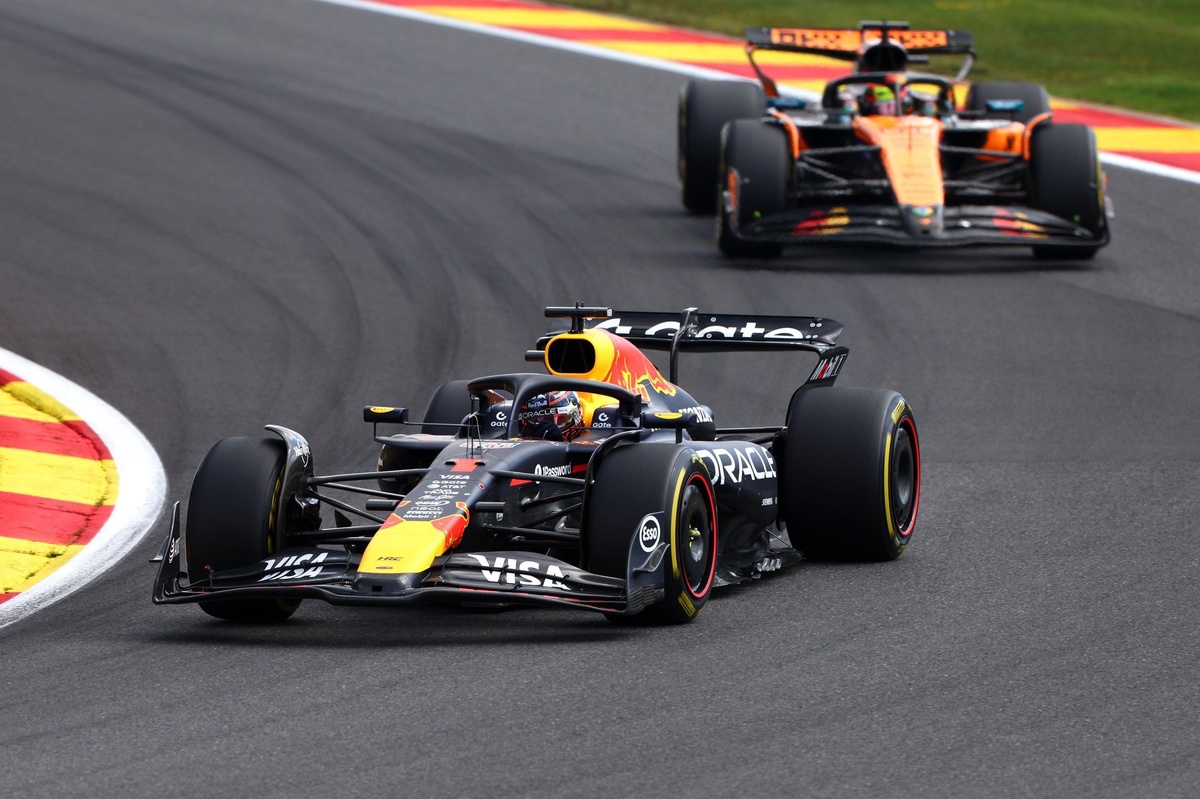
Formula 1 is set to undergo significant changes in its weekend formats to appeal to younger audiences and enhance the overall experience for fans. F1 CEO Stefano Domenicali has been leading discussions with stakeholders, including drivers, to introduce more sprint events, modify race formats, and shorten grand prix races. The aim is to create more engaging weekends for fans and boost ticket sales for race promoters.
The traditional two one-hour F1 practice sessions on Fridays are being reconsidered, with a shift towards sprint weekends gaining traction. Domenicali emphasized the need for more action and narrative throughout the weekend, moving away from the current practice-focused approach. The evolving consensus among drivers and stakeholders indicates a growing acceptance of the proposed changes, signaling a shift towards a more dynamic F1 culture.
Despite initial resistance from some drivers, including Max Verstappen, towards the sprint format introduced in 2021, there has been a noticeable shift in attitudes. The ongoing discussions aim to strike a balance between tradition and innovation, with a focus on enhancing the overall racing experience for fans. The evolving landscape of F1 reflects a willingness to adapt to changing audience preferences and expectations.
Domenicali's vision for the future of F1 includes leveraging advanced simulation technology to reduce practice time and increase the focus on racing action. The emphasis on delivering exciting and engaging content for fans underscores the importance of evolving with the times. The proposed changes, including shorter grand prix races, aim to cater to a broader audience while maintaining the essence of competitive racing in F1.
As F1 explores new formats and concepts, including the possibility of reverse-grid races, the sport is poised for further evolution. The willingness to consider innovative ideas and adapt to emerging trends reflects a commitment to staying relevant and engaging for fans. The ongoing dialogue with drivers and stakeholders highlights a collaborative approach to shaping the future of Formula 1.
In conclusion, Formula 1 is on the cusp of transformative changes aimed at enhancing the overall fan experience and adapting to evolving audience preferences. The proposed modifications to race formats, sprint weekends, and grand prix durations reflect a proactive approach to engaging fans and ensuring the long-term success of the sport. As F1 embraces innovation and explores new possibilities, the future promises an exciting and dynamic racing landscape for fans around the world.