Restriction on Voter Registration at Naturalization Ceremonies Sparks Controversy
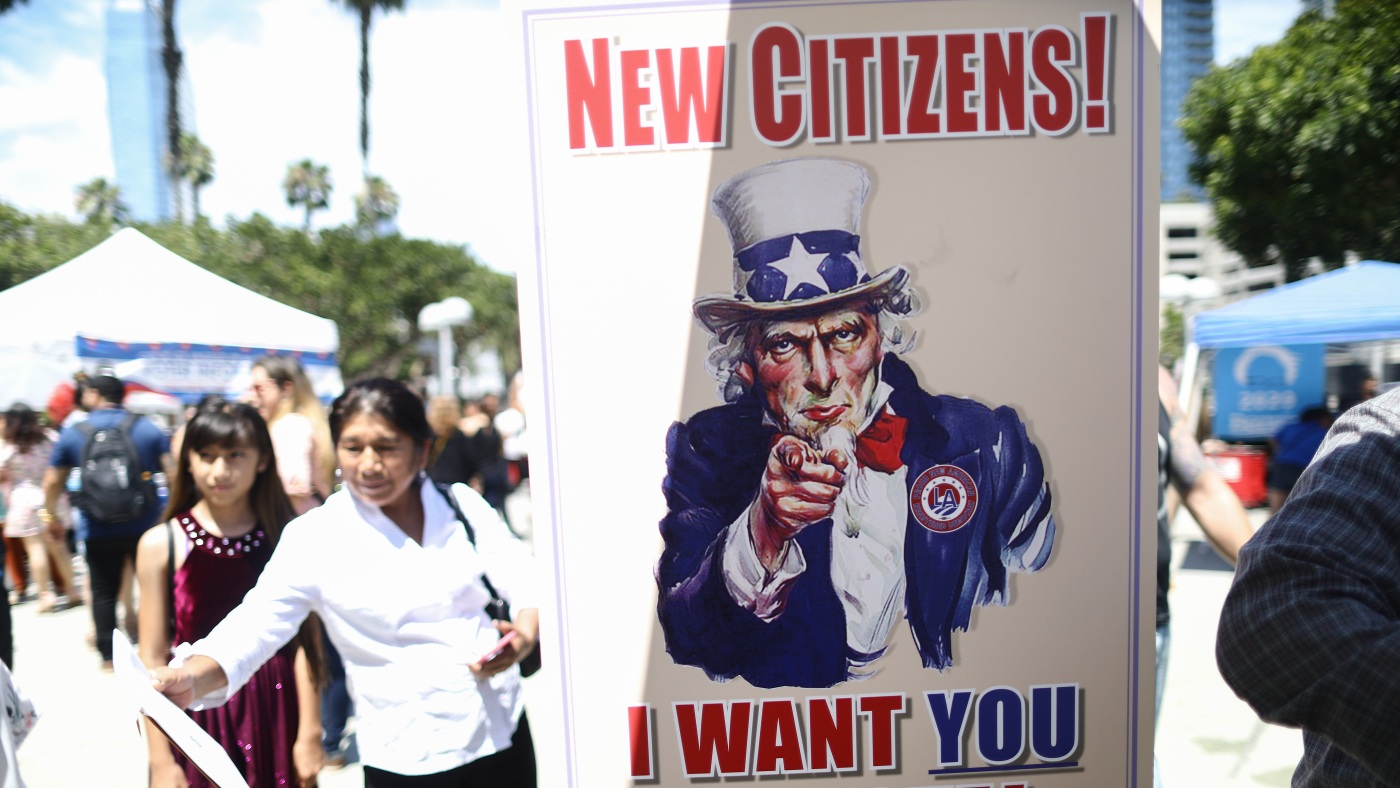
Non-governmental organizations are no longer allowed to register new voters at naturalization ceremonies, according to a recent announcement by the U.S. Citizenship and Immigration Services. The new policy restricts voter registration services to only state and local election officials at the end of administrative naturalization ceremonies. This decision has drawn criticism from groups like the League of Women Voters, who have traditionally worked alongside election officials to facilitate voter registration, including at naturalization ceremonies.
The CEO of the League of Women Voters, Celina Stewart, expressed concern over the policy change, stating that it could hinder new citizens from exercising their voting rights. The League has a long history of collaborating with USCIS and federal courts to register new voters at naturalization ceremonies, resulting in hundreds of thousands of new citizens being registered to vote across the country. USCIS justified the new policy by citing the sporadic use of non-governmental organizations for voter registration at naturalization ceremonies and the burden of ensuring their nonpartisanship.
While the exclusion of non-governmental organizations from voter registration services at naturalization ceremonies may impact their ability to engage with immigrant communities, USCIS maintains that new citizens will still receive information and applications to register to vote from state or local election officials or USCIS staff. The move comes amid a broader trend of Republican-led states enacting laws to restrict registration drives conducted by third-party groups, which have been particularly effective in registering communities of color, including immigrant communities.
The League of Women Voters views this exclusion as part of a larger effort to intimidate immigrants and suppress their participation in the democratic process. By limiting the involvement of civic partners like the League, USCIS may make it more challenging for new citizens to register to vote, undermining the strength of democracy. Despite these challenges, the voices of new citizens remain essential to a vibrant and inclusive democracy.