Unveiling the Aero Rake: Enhancing Formula 1 Aerodynamics Through Innovative Testing
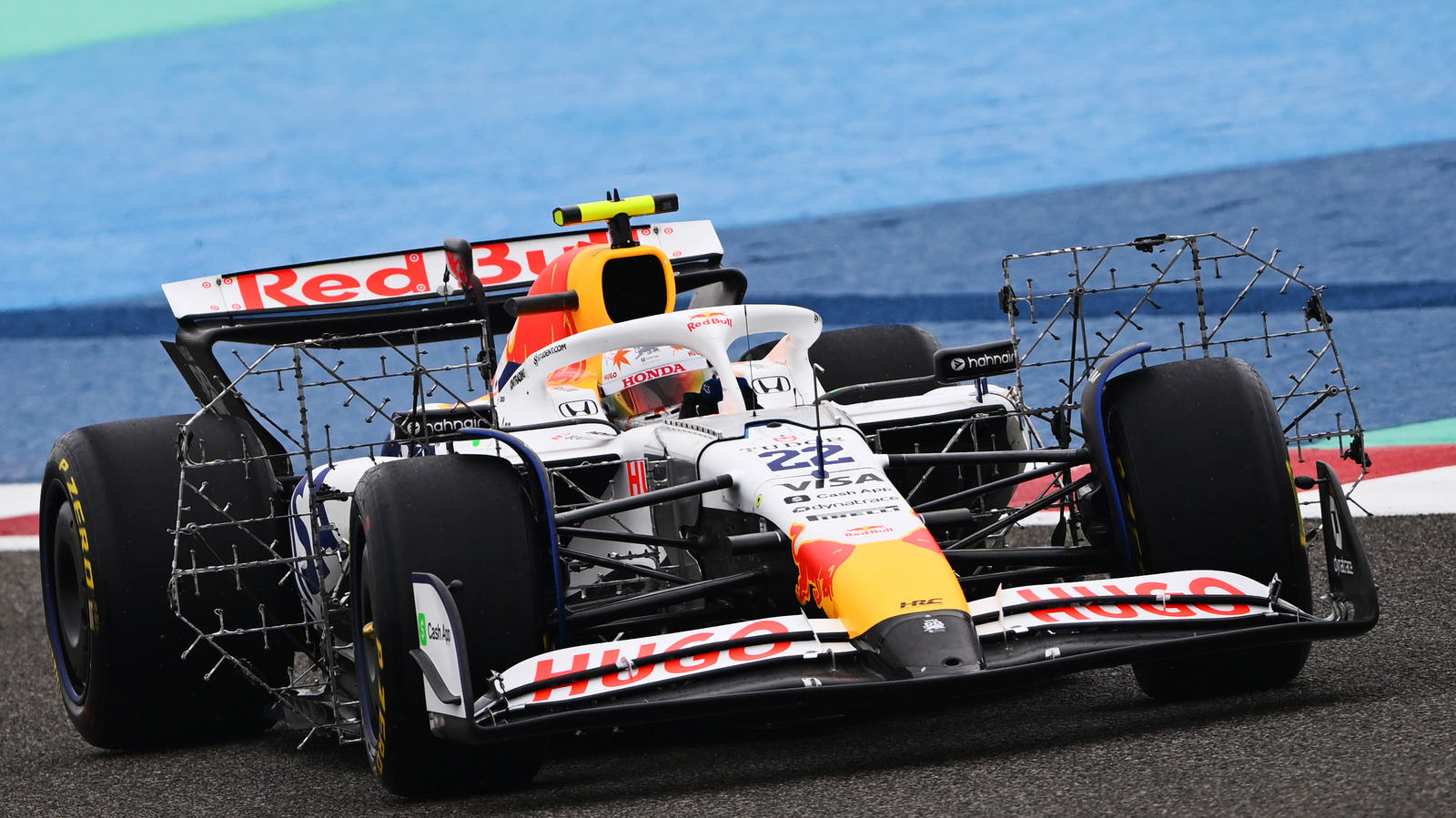
Formula 1 teams utilize aero rakes during test sessions to measure airflow around the car. These large grids, equipped with Kiel probes, provide crucial data to engineers aiming to optimize the car's performance. Despite their unconventional appearance, aero rakes serve as a valuable tool in validating wind tunnel simulations and enhancing the car's aerodynamic efficiency.
Since the 1960s, downforce has been a key focus in Formula 1, with teams investing significant resources in research and testing to harness airflow for improved grip. With restrictions on in-season testing and aerodynamic research, teams rely on a combination of wind tunnel testing, computational fluid dynamics simulations, and on-track data collection using aero rakes to fine-tune their cars' aerodynamic performance.
The use of aero rakes behind the front axle helps teams assess the impact of turbulent air generated by the wheels at high speeds. By analyzing airflow patterns and pressure readings, engineers can optimize the car's design to minimize aerodynamic disturbances and enhance overall performance. Aero rakes come in various configurations, with some featuring hundreds of sensors to capture airflow data accurately across different driving conditions.
The precision of aero rake sensors allows teams to gather detailed information on airflow dynamics with remarkable accuracy. By comparing testing data with on-track performance, teams can validate their simulations and make informed decisions on further car development. When discrepancies arise, teams work diligently to identify and address any issues affecting aerodynamic efficiency.
In conclusion, aero rakes play a crucial role in Formula 1 by providing real-time airflow data that helps teams optimize their cars' aerodynamic performance. Despite regulatory constraints on testing, teams leverage aero rake technology to bridge the gap between simulation and reality, ensuring that their cars are finely tuned for maximum speed and stability on the track.