Enhancing Motorcycle Agility: The Impact of Reverse-Rotating Engines on Handling
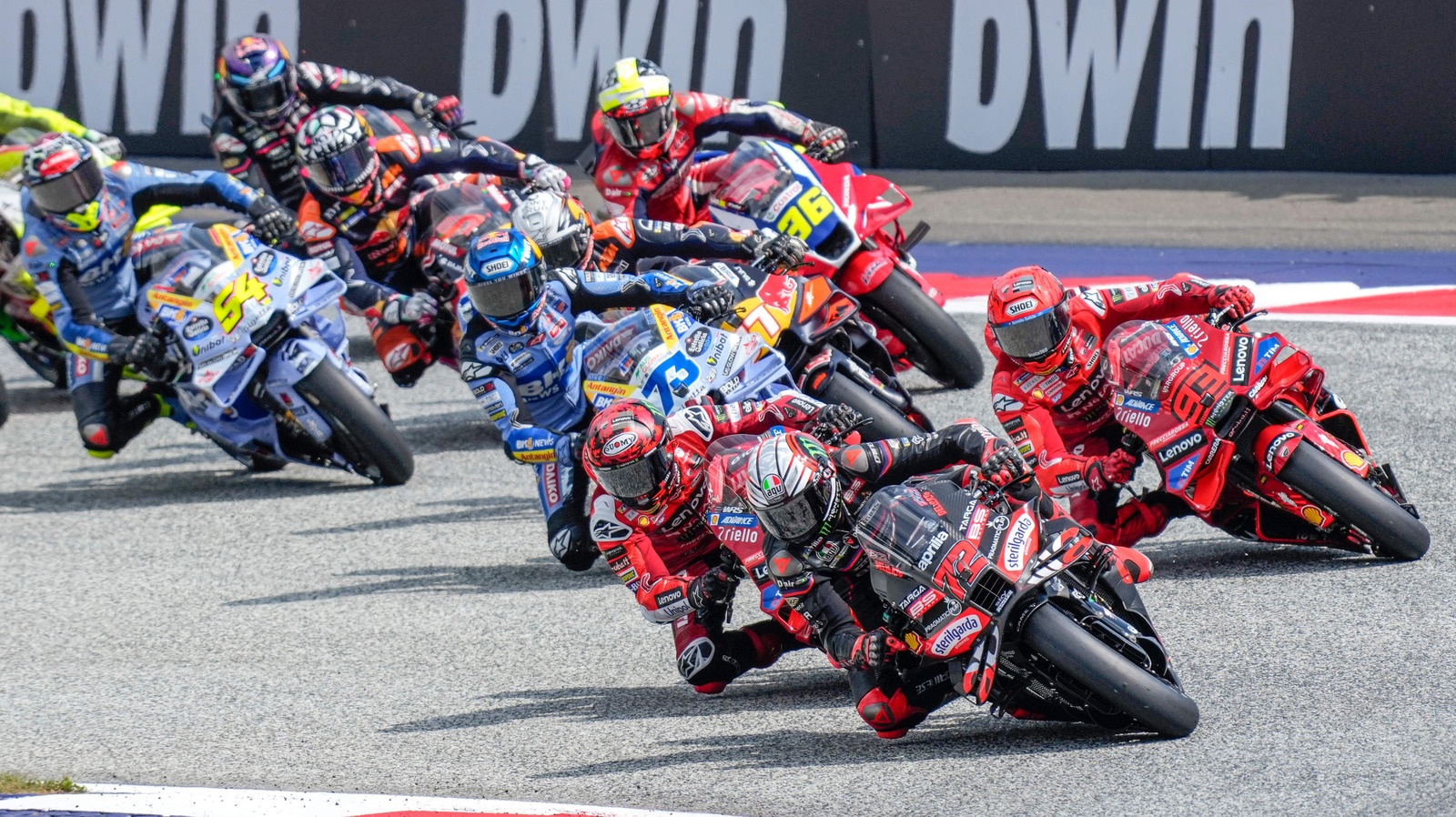
Motorcycle engines typically rotate in the same direction as the wheels, but MotoGP engines spin backwards relative to the wheels. This unique design is intended to counterbalance the gyroscopic effect of the wheels, which provides stability but can hinder quick cornering on tight tracks. By reversing the engine rotation, MotoGP engineers can enhance the bikes' agility and responsiveness in corners. This feature is not exclusive to professional riders, as electric motorcycles also utilize reverse-rotating crankshafts to achieve a nimble and bicycle-like feel on the road.
The difference in handling between traditional motorcycles and those with reverse-rotating crankshafts is noticeable, with electric motorcycles offering a level of nimbleness that resembles riding a bicycle. The design choice in MotoGP bikes to have reverse-rotating engines allows for quicker turning and improved maneuverability in corners, giving riders a competitive edge on the track. While this level of complexity is beneficial for professional race teams, it may not be necessary for everyday riders on conventional motorcycles. However, if you ride an electric motorcycle, you may experience a similar level of agility and responsiveness as MotoGP bikes, bringing you closer to the high-performance world of professional racing.