Breaking Barriers: Taylor Swift's Website Design Criticized for Lack of Accessibility and Inclusivity
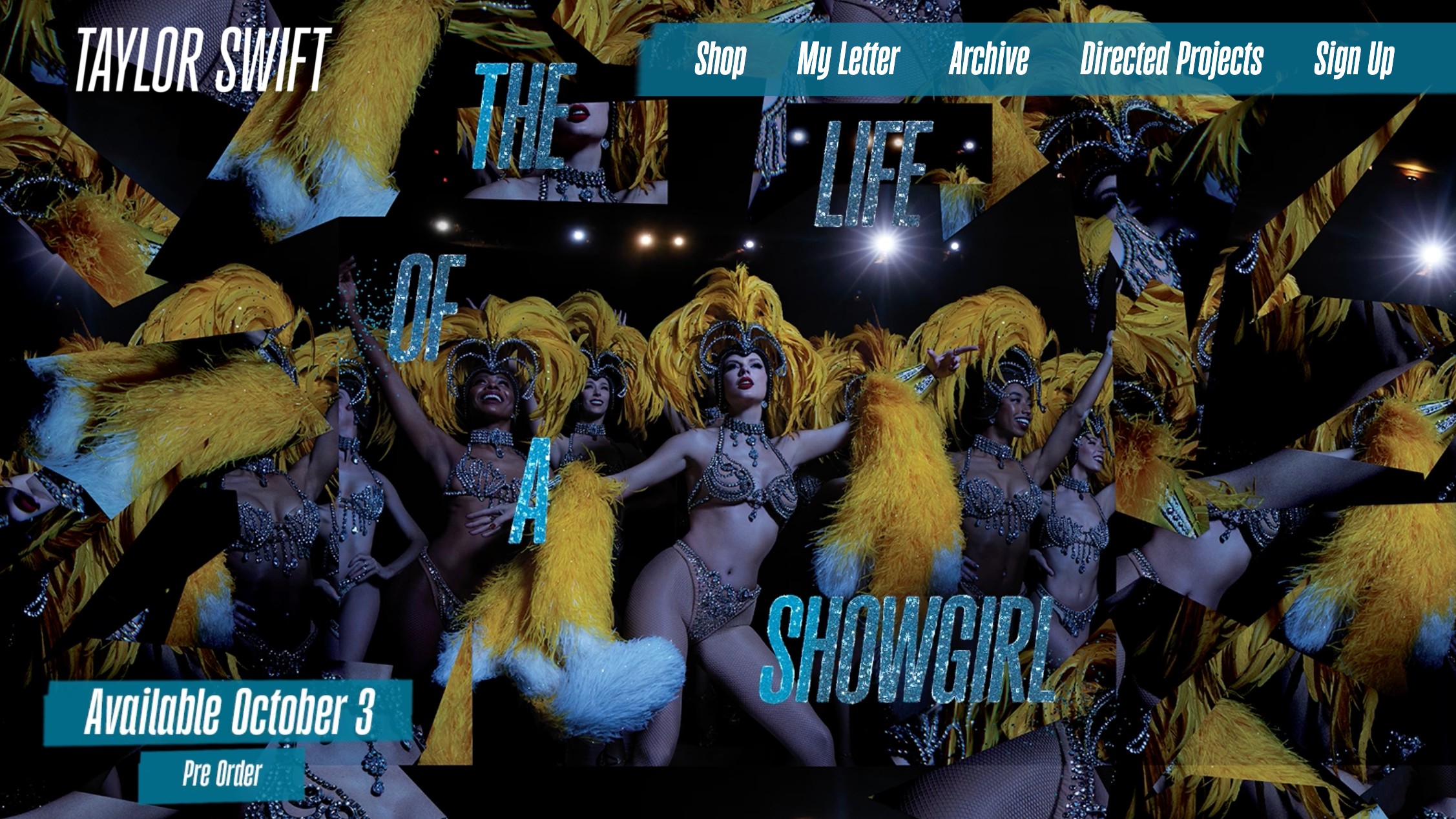
Taylor Swift's latest website design has come under fire for its lack of inclusivity and accessibility. The color scheme, font choices, and design elements make it difficult for people with disabilities to navigate the site. The use of all-caps text, glittering effects, and narrow typeface can be particularly challenging for individuals with dyslexia or visual impairments. These issues have been highlighted by brand and web designer Lauren Sherrard, who pointed out the accessibility shortcomings on LinkedIn.
The website's design flaws, such as the use of drop shadows, small font sizes, and difficult-to-read text, go against basic accessibility guidelines. For fans with dyslexia or visual conditions, navigating the site can be a frustrating and exclusionary experience. The lack of alt text and incorrect labeling further compounds the accessibility challenges faced by disabled users. The Royal National Institute of Blind People's social media manager, Holly Tuke, expressed the disappointment and frustration that disabled fans feel when encountering inaccessible websites.
Despite Taylor Swift's reputation for caring about her fans and advocating for social causes, the oversight in website accessibility is a significant misstep. The music industry, including artists like Beyoncé and labels like Universal Music Group, has faced criticism for similar accessibility failures in the past. With the resources available to a global superstar like Taylor Swift, ensuring that her website meets basic accessibility standards should be a priority. An inclusive website not only benefits disabled users but also enhances the overall user experience for all visitors.
While Taylor Swift's music may resonate with a wide audience, her website design should not alienate fans with disabilities. The music industry should prioritize inclusive web design to ensure that all fans can access and enjoy the content. By adhering to accessibility guidelines, artists and labels can create a more welcoming and inclusive online environment for their audience. Let's make sure that music truly brings everyone together, both in sound and in design.