From Rock to Rap: The Evolution of Social Commentary in Music
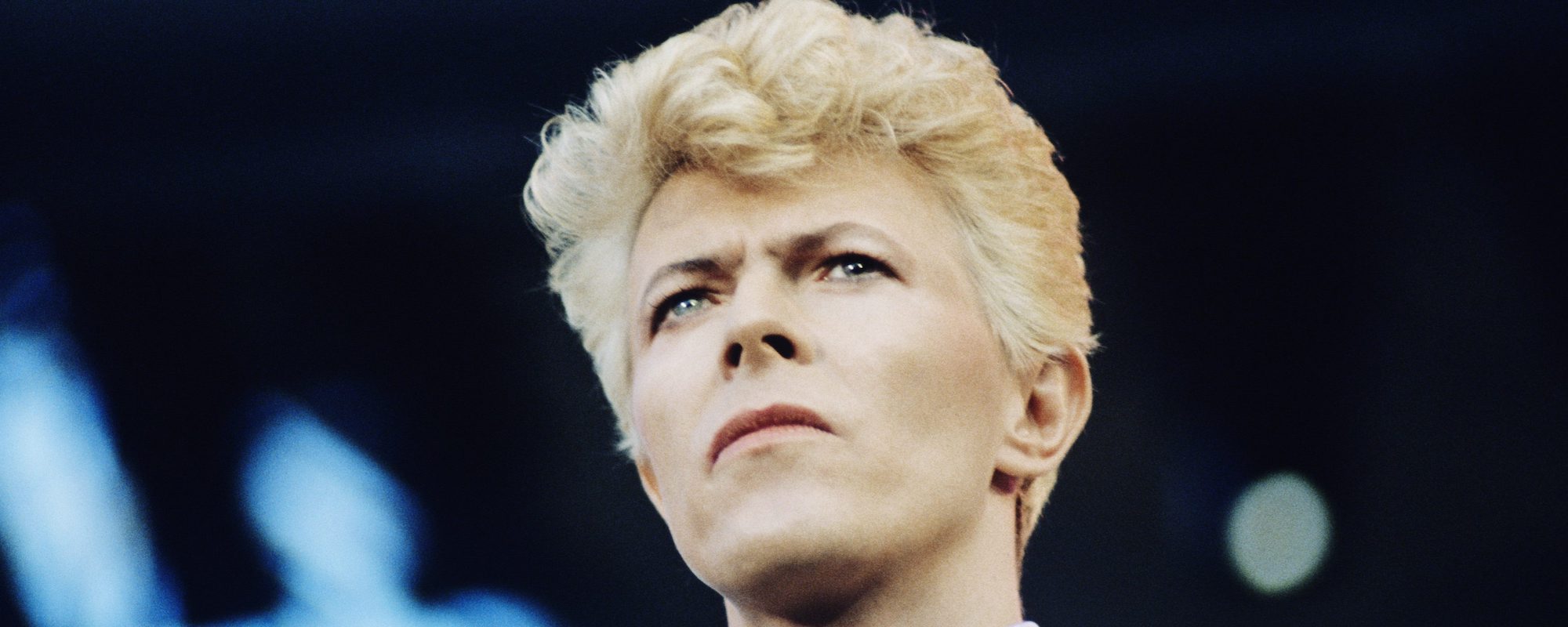
Rock music has long been associated with pushing boundaries and challenging societal norms. In the '60s and '70s, rockers were at the forefront of delivering socially conscious messages and shaping the genre into the rebellious space it is known for today. However, as time passed, some rock artists shifted their focus away from cultural change, leading to a void that was filled by a new genre.
David Bowie, a legendary figure in the music industry, noted a significant shift in the music landscape around the '90s. He observed that rock music had become somewhat stagnant, with artists from a different genre taking the reins of innovation and social commentary. Bowie pointed to rap music as the "new force" in the music world, highlighting its ability to captivate audiences and drive meaningful conversations.
Rap music, which originated in the '70s and gained popularity in the '80s, reached its peak in the '90s as a powerful platform for addressing social issues and challenging the status quo. With a focus on pushing back against oppressive forces, early rap artists, primarily from black communities, used their experiences to create impactful and thought-provoking music that resonated with listeners. Bowie recognized the cultural significance of rap music in the '90s, acknowledging its role in shaping society and driving change.
In conclusion, while rock music has a rich history of pushing boundaries and sparking cultural movements, the '90s marked a shift towards rap music as a dominant force in the music industry. Artists like David Bowie recognized the impact of rap music in addressing social issues and driving cultural change, cementing its place as a genre that continues to shape the musical landscape.