Challenging Reality: The Threat of Data Manipulation in Trump's Second Term
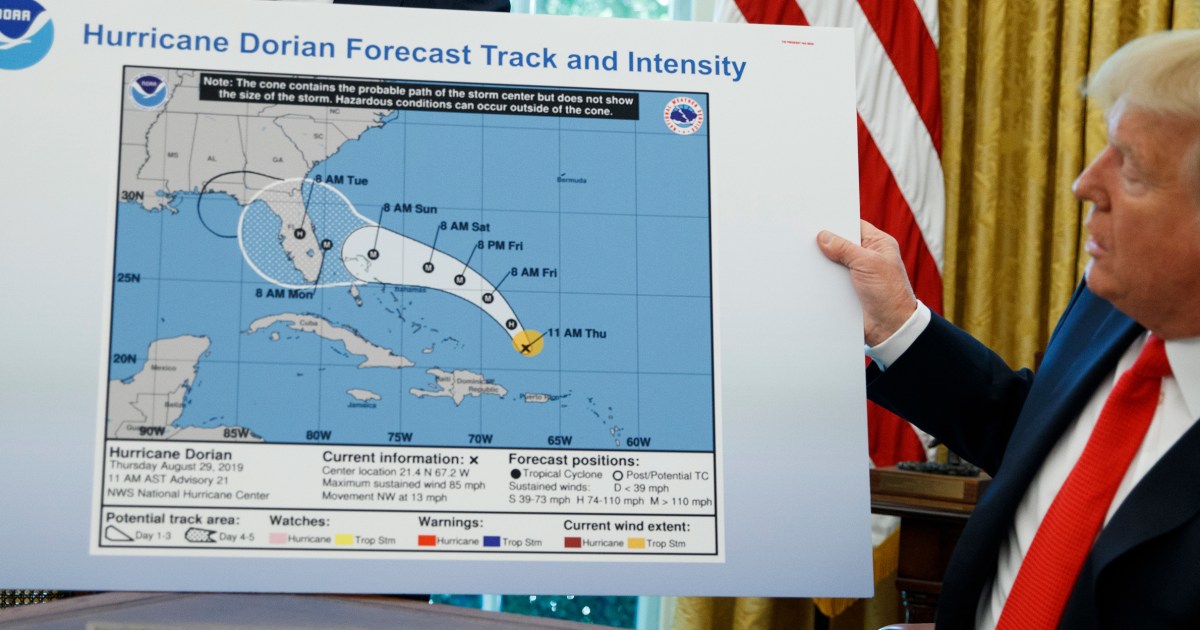
In his second term, President Donald Trump is challenging reality itself by disregarding facts and data that do not align with his agenda. This disregard for truth extends to economic statistics, crime data, and other crucial information that affects the well-being of the nation. Trump's tendency to manipulate reality to suit his narrative is a dangerous precedent that undermines the credibility of government data.
The manipulation of data by Trump poses a threat to various sectors, including healthcare, law enforcement, and business decision-making. By altering numbers and facts to fit his desired narrative, Trump is eroding the trust in government data that has long been relied upon for making informed decisions. This distortion of reality is a concerning trend that could have far-reaching consequences.
The disregard for objective data and facts is exemplified by Trump's willingness to ignore statistics that do not support his agenda. This manipulation of information extends beyond political spin and undermines the integrity of data that is essential for understanding and addressing societal issues. Trump's approach to data manipulation is a dangerous departure from the principles of transparency and accountability.
As we navigate the challenges of a post-truth era, it is crucial for alternative sources of reliable information to emerge. States, industries, and private sector entities can play a role in providing accurate data and insights that can counter federal manipulation. By decentralizing the collection and dissemination of information, we can ensure that the public has access to trustworthy data in the absence of reliable federal sources.
The private sector, including technology firms, healthcare providers, and research institutions, can contribute valuable data that can fill the void left by federal data manipulation. By leveraging existing data sources and expertise, these entities can help maintain the integrity of information in the face of political interference. Nonprofits, media organizations, and other stakeholders can collaborate to ensure that accurate information is accessible to the public.
In a time when truth is under siege, it is essential for diverse stakeholders to come together to uphold the integrity of information. By fostering a distributed model of truth-telling, we can safeguard against the erosion of trust in government data and ensure that the public has access to reliable information. In the absence of federal accountability, it falls upon states, industries, and civil society to uphold the principles of transparency and accuracy in data reporting.