Billboards and Country Music: A Nostalgic Connection in the Digital Age
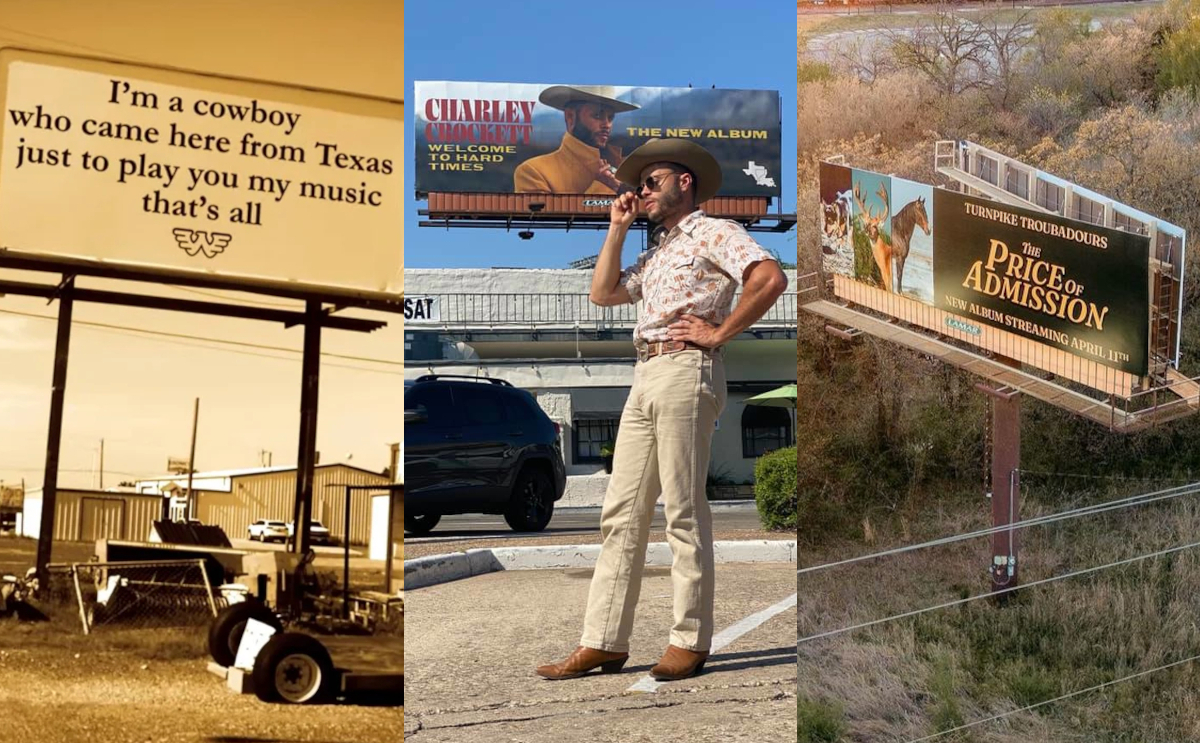
Country music has a unique way of embracing the past rather than focusing on the future, unlike other genres that strive to push boundaries and innovate. Nostalgia plays a significant role in the appeal of country music, paying tribute to relics of the past.
Billboards, once a prominent form of advertising, are gradually becoming obsolete in the digital age. Online ads have proven to be more effective in targeting consumers and are less intrusive than physical billboards that obstruct the scenery. The era of billboards is fading, making them relics of a bygone era.
The proliferation of billboards in various locations has raised questions about their effectiveness as advertising tools. Many billboards remain vacant for extended periods, suggesting that they may not be as impactful as once believed. The public perception of billboards has shifted, viewing them as eyesores rather than effective marketing tools.
Commercial country radio, much like billboards, is facing challenges in the modern era. The rise of independent country music has breathed new life into the industry, utilizing billboards as a means of promoting upcoming releases and events. Independent artists have leveraged billboards to reach a wider audience and generate buzz for their projects.
The affordability of billboard advertising has made it more accessible to independent country artists, allowing them to utilize this platform for promotion. Despite the digital age, billboards offer a tangible and nostalgic appeal that resonates with audiences. The cultural significance of billboards has evolved, becoming a symbol of success for artists.
Digital billboards are replacing traditional static billboards in urban areas, offering a modern twist on outdoor advertising. While some may view billboards as impersonal, they can also serve as cultural landmarks and evoke a sense of nostalgia. The artistic nature of outdoor advertising has transformed over time, reflecting the changing landscape of Americana.
Country music has a long history of incorporating billboards into its songs, further enhancing the nostalgic appeal of these advertising structures. Artists like Del Reeves and Homer and Jethro have drawn inspiration from billboards in their music, adding to the cultural significance of these iconic structures. The intersection of country music and billboards highlights the enduring impact of both mediums.
In conclusion, the relationship between country music and billboards is evolving in the digital age, with independent artists utilizing this platform to promote their music. While billboards may be fading in popularity, they continue to play a vital role in generating buzz and creating conversations around important projects and artists. The nostalgic charm of billboards and their cultural significance make them a unique and enduring aspect of Americana.