Rise and Fall of Cockney Rebel: The Story Behind 'Make Me Smile
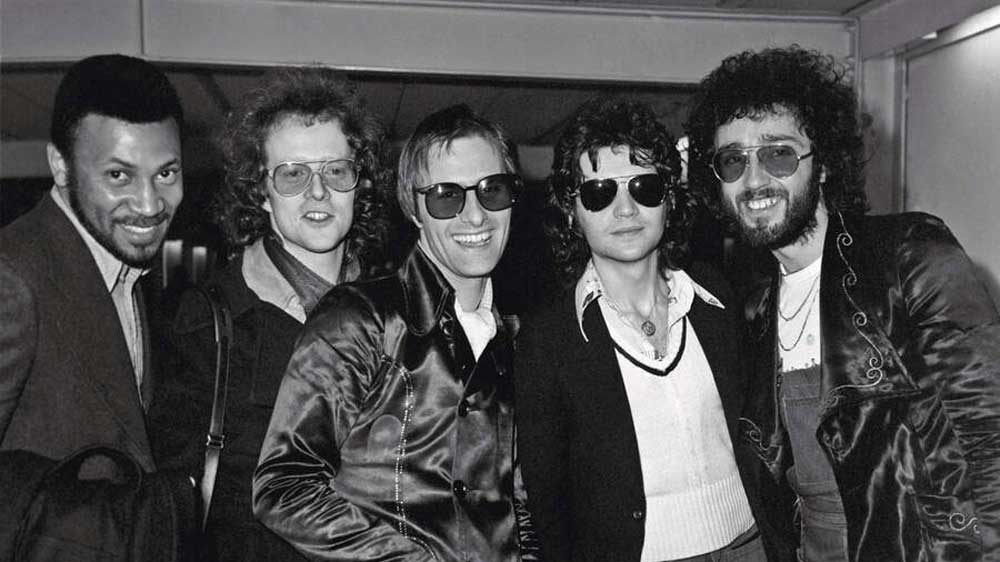
In the summer of 1974, Cockney Rebel was on the brink of becoming a major band in the UK. With successful albums and hit singles, they were riding high until a rift within the group led to key members leaving. Steve Harley, the band's leader, was adamant about being the sole songwriter and faced a mutiny from his bandmates who wanted to contribute to the songwriting process. This disagreement resulted in the departure of three members, prompting Harley to write a retaliatory song, which eventually became "Make Me Smile (Come Up And See Me)."
Harley, fueled by a sense of betrayal, reworked an old song into the now-iconic track. With a new lineup in place, including talented musicians like Duncan Mackay and Jim Cregan, the band recorded the song at Abbey Road Studios. Producer Alan Parsons added his touch to the track, enhancing its rhythm and energy. The song's catchy chorus and dynamic arrangement made it stand out, leading to high expectations from the band and their label.
Upon its release, "Make Me Smile" soared to the top of the UK singles chart in February 1975, bringing immense success to Cockney Rebel. The achievement was celebrated by the band members, who were elated by the song's reception. However, the success of the song also marked the beginning of the end for the band, as internal conflicts and lineup changes plagued their future endeavors.
Despite the song's enduring popularity and commercial success, the aftermath of its release saw further departures from the band, ultimately leading to its dissolution. While "Make Me Smile" remains a beloved classic, it also serves as a bittersweet reminder of the band's turbulent history. The legacy of the song lives on, showcasing Steve Harley's songwriting prowess and the band's brief but impactful presence in the music industry.