Trump's Peace Agreement Proposal in Ukraine: Implications and Uncertainties
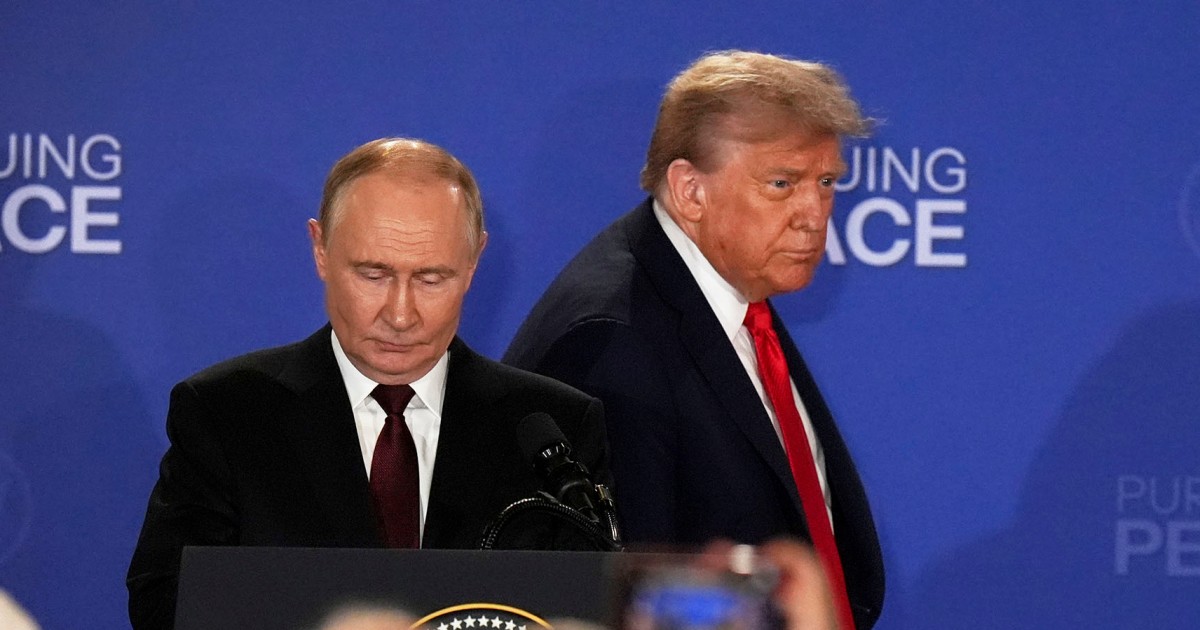
President Donald Trump has proposed a "Peace Agreement" to resolve the conflict in Ukraine after meeting with Russian President Vladimir Putin in Alaska. This move has raised concerns that Trump may be aligning with Putin's stance on the issue. Trump spoke with Ukrainian President Volodymyr Zelenskyy and European leaders to discuss the situation. The shift in Trump's position from seeking a ceasefire to pursuing a peace agreement has sparked fears and uncertainty among analysts and European leaders.
Following his discussions with Putin, Trump emphasized the need for a Peace Agreement to end the war between Russia and Ukraine, rather than a mere ceasefire. This change in approach has led to speculation about the implications for the peace process. European leaders stressed the importance of maintaining Ukraine's territorial integrity and sovereignty, emphasizing that any decisions regarding Ukraine's territory should be made by Ukraine itself.
While the details of the Alaska summit remain unclear, Trump's shift in stance has prompted questions about the direction of the negotiations. Russian demands, including territorial claims and a ban on Ukraine joining NATO, remain a significant obstacle to reaching a peace agreement. Ukrainian leaders have called for security guarantees from Western allies to prevent future Russian aggression. However, the lack of flexibility in Russia's demands raises doubts about the prospects for a peaceful resolution.
Despite concerns about Trump's alignment with Putin's position, some experts see potential benefits in a framework for regulating the conflict. Balazs Jarabik, a scholar at the Carnegie Endowment for International Peace, suggests that a structured approach could help stabilize the situation and provide all parties with an opportunity to address their concerns. The complex dynamics of the conflict in Ukraine highlight the challenges of finding a lasting solution that satisfies all stakeholders.
In conclusion, the evolving situation in Ukraine underscores the complexities of international diplomacy and conflict resolution. The shifting positions of key players, including President Trump and Russian President Putin, have raised uncertainties about the prospects for peace in the region. As discussions continue and negotiations unfold, the need for a comprehensive and inclusive approach to addressing the conflict in Ukraine becomes increasingly apparent.