Chaos and Contrasts: The Untold Stories of Weeley and Bickershaw Rock Festivals in the Late 60s and Early 70s
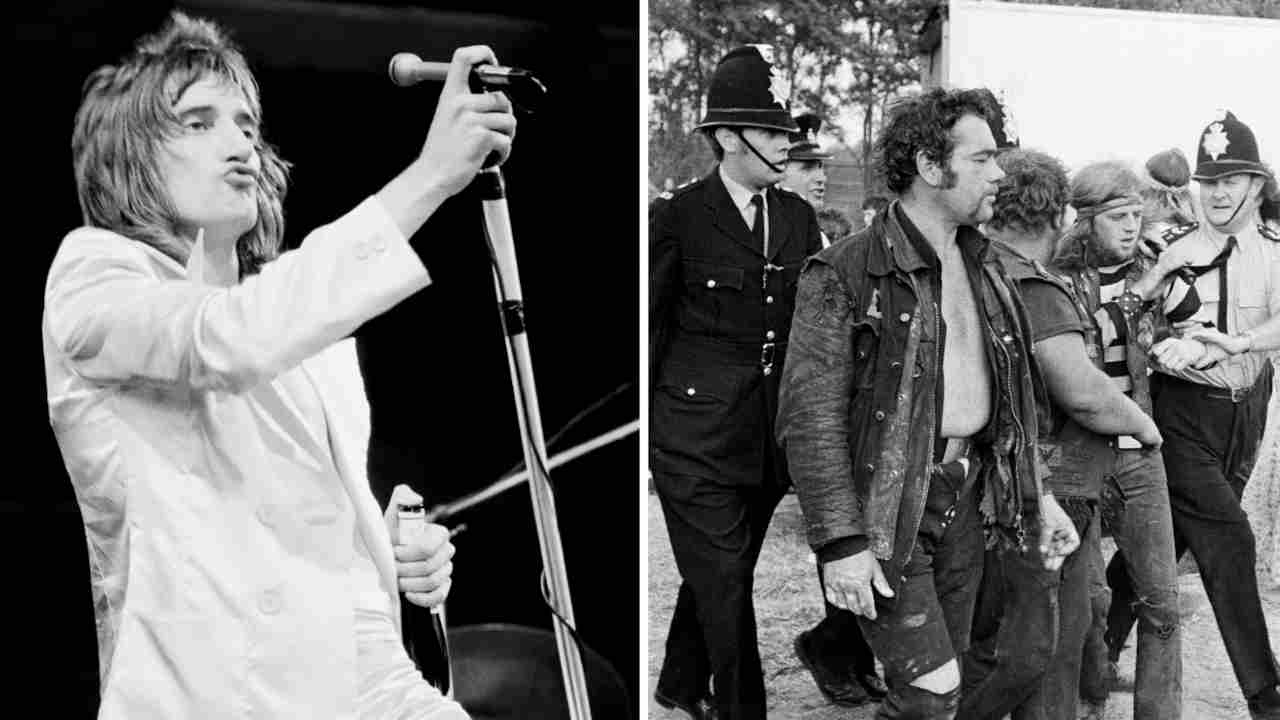
Rock festivals in the late 60s and early 70s were not all Woodstock or the Isle Of Wight. Some, like the UK's Weeley and Bickershaw festivals, were marred by extreme weather, clashes between Hells Angels and security, and an overall sense of chaos. Mick Farren, a writer and musician who attended both events, shared his experiences from the front lines.
At the Bickershaw Festival in May 1972, attendees found themselves wading through mud and rain for days. The festival site resembled a war zone until the rain stopped just in time for the Grateful Dead's performance. Amid the chaos, encounters with vendors and alcohol swaps were common, reflecting the carefree spirit of old-school festivals.
The Weeley Festival in August 1971 was a stark contrast to Bickershaw, with hot and dry weather leading to grass fires and violent clashes between security and outlaw motorcycle clubs. Despite promising lineups and amenities, both festivals faced logistical challenges and unforeseen issues that turned them into chaotic events.
Inexperienced promoters and overlooked factors contributed to the mayhem at these festivals. The Bickershaw promoters, led by Jeremy Beadle, failed to anticipate the impact of weather and site conditions, while the Weeley Festival, organized by the local Round Table, struggled to manage security and prevent fires on the dry grass.
Violent confrontations between security and outlaw bikers added to the tumultuous atmosphere at these festivals. While clashes occurred behind the scenes, the audience enjoyed performances by bands like King Crimson, Faces, and Marc Bolan, who managed to win over the crowd despite initial skepticism.
The Grateful Dead's performance at Bickershaw became a highlight of the festival, with the band's music coinciding with the sun breaking through the clouds. Attendees like Mick Farren and his companion Boss Goodman seized the opportunity to get close to the band, reflecting the era of unbridled access and chaos at rock festivals.
Despite the challenges and financial losses faced by the promoters, festivals like Weeley and Bickershaw hold a special place in rock history. They represent a bygone era of music festivals where discomfort and risk were part of the experience, inspiring future musicians like Joe Strummer and Elvis Costello to pursue their own musical paths.
As the era of Armageddon-style festivals came to an end due to financial constraints, the memories of events like Weeley and Bickershaw live on as legendary tales of rock'n'roll excess and adventure. The unique experiences and close encounters with music icons make these festivals a cherished part of music history, reminding old-timers of a time when anything was possible in the name of music.